How to Prune Pacific madrone?
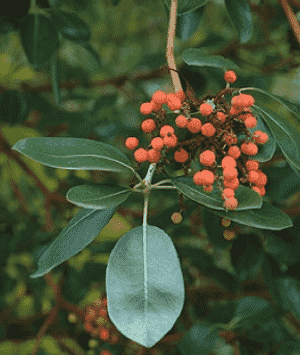
Distinguished by its prominent exfoliating reddish bark and persistent leaves, Arbutus menziesii flourishes with infrequent trimming. Essential methods involve excising deceased or ailing branches and contouring during its inactive phase. The most suitable time for pruning is during the colder months to avert sap leakage and contamination. Particular attention, like refraining from large incisions, safeguards its fragile bark and limited resilience to illness. Trimming improves air movement, diminishing vulnerability to infestations and ailments while preserving its inherent structure.
What Are the Benefits of Pruning Pacific Madrone?
What Are the Benefits of Pruning Pacific Madrone?
Trimming pacific madrone promotes vigorous development, enabling it to flourish. By managing its dimensions and structure, pruning ensures pacific madrone retains an attractive appearance, crucial for its decorative applications.
What Is the Best Time for Pruning Pacific Madrone?
What Is the Best Time for Pruning Pacific Madrone?
Pruning pacific madrone during winter aligns with its dormant phase, reducing stress and disease risk. The plant's sap is less active, leading to minimal bleeding from cuts, aiding quicker recovery. Furthermore, the absence of leaves offers better visibility for strategic cuts. Pruning before spring growth allows pacific madrone to channel energy into healing and new growth, boosting its health and vitality. Avoid pruning during flowering and fruiting to preserve pacific madrone's ornamental and ecological value.
What Tools Do I Need to Prune Pacific Madrone?
Hand Pruners
Essential for making clean cuts on small branches of pacific madrone, which helps prevent disease and promotes healthy new growth.
Lopping Shears
Ideal for trimming thicker branches that hand pruners cannot handle, ensuring precise cuts without damaging pacific madrone.
Pruning Saw
Necessary for removing larger limbs from pacific madrone safely, helping to manage the tree's overall structure and size.
Pole Pruners
Useful for reaching higher branches of pacific madrone without using a ladder, allowing for safe pruning from the ground.
Gloves
Protects the hands from the rough bark and sap of pacific madrone during the pruning process.
Safety Glasses
Prevents debris from pacific madrone from entering the eyes while cutting branches.
Clean Cloth
For wiping the blades of tools between cuts to prevent the spread of disease to pacific madrone.
Disinfectant
To sterilize tools before and after pruning pacific madrone to minimize the introduction of pathogens.
How to Prune Pacific Madrone
Step1: Identification of Unhealthy Plant Parts
Examine pacific madrone for dead, diseased, or overgrown sections. This will help pinpoint areas needing attention. Look for discolored limbs, signs of fungus or rot, and branches that cross or rub, as these can cause wounds and disease entry points.
Step2: Tool Sterilization
Sanitize your pruning tools before starting. Use a solution of one part bleach to nine parts water, or wipe blades with alcohol. This is vital to prevent disease transmission between plants.
Step3: Dead Wood Removal
Begin by removing any dead wood. Cut dead branches back to their junction with a larger limb or the main trunk. Avoid leaving stubs, as these can be entry points for pests and disease. Make your cut just outside the branch collar, the swollen area where the branch meets the trunk or another branch.
Step4: Excising Diseased Limbs
Next, prune diseased limbs. Make cuts at least a few inches into healthy wood beyond the affected tissue. If an entire limb is diseased, remove it back to its origin. Properly dispose of diseased material to prevent infection spread.
Step5: Thinning Overgrowth for Health
Address overgrown areas to improve air circulation and light penetration. Thin out dense sections by removing some branches at their base. Focus on branches growing inward or competing for space and light.
Step6: Aesthetic Shaping
Shape the pacific madrone for aesthetic reasons if necessary, but remember that pacific madrone has a natural, multi-stemmed form that doesn't benefit from heavy shaping. Lightly trim any irregular growth to maintain the desired form while preserving its natural appearance.
Step7: Cleanup of Plant Debris
Clear away pruned material from around the pacific madrone to prevent the spread of any pathogens or pests that might be present in the removed plant tissue.
Step8: Post-Pruning Watering
Water the pacific madrone after pruning to aid recovery, especially if the weather is dry. However, be careful not to overwater, as pacific madrone prefers well-drained soil and dislikes soggy conditions.
Step9: Post-Pruning Monitoring
Observe the pacific madrone after pruning for signs of stress or disease. Good aftercare includes mulching and, if needed, applying a balanced slow-release fertilizer in spring to support new growth.
Post-Pruning Care for Pacific Madrone
Post-Pruning Care for Pacific Madrone
Immediately after pruning pacific madrone, ensure the plant has sufficient moisture; water gently to alleviate stress. Maintain a stable environment, avoiding extreme temperature shifts and providing filtered sunlight to prevent sunscald. Apply a balanced, slow-release fertilizer to aid recovery without encouraging excessive new growth vulnerable to damage. Regularly inspect pruning sites for disease or pest infestation. If discolored foliage or oozing wounds appear, promptly address with appropriate horticultural practices to safeguard pacific madrone's health.
Common Pruning Mistakes with Pacific Madrone
Overzealous pruning causing stress and disease
Pruning too aggressively, which can stress pacific madrone and make it more susceptible to disease or poor growth.
Using blunt or contaminated tools
Using dull or dirty pruning tools, which can result in jagged cuts and introduce pathogens to pacific madrone.
Excessive canopy removal hindering photosynthesis
Removing too much of the canopy at once, which can reduce the plant's ability to photosynthesize and recover.
Bark damage from improper cutting techniques
Tearing or stripping the bark when cutting, which can cause undue harm to pacific madrone's unique peeling bark.
Random pruning without a clear goal
Pruning without a clear objective, leading to unnecessary cuts that do not benefit the health or aesthetics of pacific madrone.
Common Pruning Tips for Pacific Madrone
Use sharp and sterile tools for clean cuts
Always use sharp, clean pruning tools to make precise cuts and minimize the risk of disease or pests attacking pacific madrone.
Remove only dead or unhealthy branches
Focus on removing dead, diseased, or damaged branches to improve the overall health and appearance of pacific madrone.
Angle cuts for healthy growth and healing
Make cuts at a slight angle away from the bud to encourage proper healing and discourage water accumulation on the wound.
Limit crown pruning to one-quarter annually
Prune judiciously, aiming to remove no more than one-quarter of the crown in a single season to avoid stressing pacific madrone.
Prune in harmony with the plant's natural shape
Follow the natural shape of pacific madrone when pruning to enhance its form and beauty while maintaining its structural integrity.



