How to Prune Bunya pine?
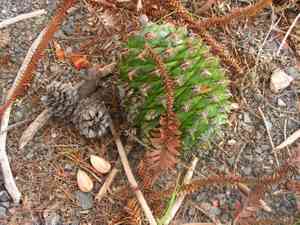
Originating from Australian rainforests, bunya pine is an evergreen conifer recognized for its immense stature and palatable seeds. Remove any lifeless or ailing limbs to preserve the plant's well-being and visual appeal. Gentle shaping can be performed to foster a conical shape. The most suitable time for pruning is in winter, during its inactive phase, to lessen sap leakage and strain. Refrain from extensive cutting, as this may result in sparse new growth. Advantages of pruning encompass a diminished risk of illness, better air movement, and an improved framework.
What Are the Benefits of Pruning Bunya Pine?
What Are the Benefits of Pruning Bunya Pine?
Trimming bunya pine promotes robust development and maintains its desired form, ensuring it flourishes and meets spatial or aesthetic garden needs.
What Is the Best Time for Pruning Bunya Pine?
What Is the Best Time for Pruning Bunya Pine?
Trimming bunya pine during late winter to early spring is ideal as the tree remains dormant, minimizing stress and sap loss. This timing precedes the spring growth surge, allowing bunya pine to recover swiftly and direct energy into new growth. Pruning at this time avoids interfering with the late summer fruiting period and ensures the tree's structure is managed well before any heavy cones develop, which reduces the risk of branch breakage and promotes overall health. Furthermore, removing dead or damaged limbs during this window prevents decay organisms from entering the tree when they are less active in the cold.
What Tools Do I Need to Prune Bunya Pine?
Bypass Pruners
Bunya pine possesses thick branches, especially when young. Bypass pruners ensure precise cuts on smaller branches without crushing plant tissue.
Loppers
For slightly thicker branches that bypass pruners cannot manage, loppers offer leverage and strength for clean cuts.
Pole Saw
Given the height of bunya pine, a pole saw is useful for reaching and trimming higher branches safely from the ground.
Chainsaw
For mature bunya pine, which has very thick branches, a chainsaw might be necessary to cut through the dense wood efficiently.
Pruning Saw
When branches are too thick for loppers but not quite large enough for a chainsaw, a pruning saw allows for manual control and precision.
Safety Gear
Always wear protective gear like gloves and goggles when trimming bunya pine, due to its height and the potential for falling debris.
Step Ladder
For heights not reachable from the ground but not requiring a pole saw, a sturdy step ladder is essential.
How to Prune Bunya Pine
Clean Tools
Before beginning, ensure all pruning tools are cleaned and sterilized to prevent the spread of disease to bunya pine.
Identify
Inspect bunya pine closely to locate and mark all dead or diseased branches, which may show discoloration, brittleness, or signs of fungal growth.
Access
Ensure safe access to the pruning areas. Use a sturdy ladder with someone to spot you if needed, as bunya pine can be a large tree.
Cut
Using sharp and appropriate cutting tools, remove dead or diseased branches by cutting at a slight angle just above a healthy branch intersection or bud to promote proper healing and regrowth.
Disposal
Dispose of all removed material promptly and away from healthy plants to avoid the potential spread of pests or diseases to bunya pine or other plants.
Common Pruning Mistakes with Bunya Pine
Over-Pruning
Removing too much of bunya pine's foliage, which can stress the plant and lead to poor growth or even death.
Improper Cutting Technique
Using dull or unsuitable tools that can harm branches and create wounds susceptible to disease and pests.
Pruning The Central Leader
Removing or topping the central leader (the main vertical stem) can ruin the natural symmetry and growth habit of bunya pine.
Ignoring Deadwood
Failing to remove dead or diseased branches, which can compromise the overall health and aesthetics of bunya pine.
Unnecessary Shaping
Attempting to excessively shape bunya pine can lead to a reduction in cone production and overall vitality.
Common Pruning Tips for Bunya Pine
Sharp And Clean Tools
Always use sharp, sterilized pruning tools to make clean cuts that bunya pine can heal quickly from, reducing the risk of disease.
Protective Growth Balance
When pruning is necessary, maintain a natural shape by selectively thinning out branches to improve light penetration and airflow.
Disease And Pest Management
Regularly check for and promptly remove any diseased or pest-infested branches to maintain bunya pine's health.
Minimize Stress
Prune sparingly and only when necessary to reduce stress on bunya pine, as it generally requires minimal pruning.
Repair Damage Promptly
In the event of weather damage or accidental breakage, prune the affected areas properly to avoid further harm to bunya pine.



