How to Prune Japanese angelica tree?
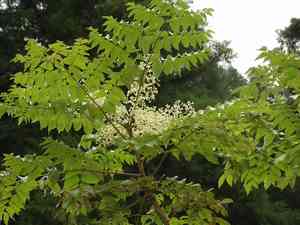
Distinguished by its impressive stature and dense leaves, japanese angelica tree greatly profits from regular trimming. Essential methods involve reducing congested limbs and eliminating any deceased or compromised wood to preserve its form and stimulate robust development. The most effective time for pruning is in late winter or early spring, aligning with its dormant period and preceding the surge of spring growth. This schedule lessens strain on japanese angelica tree and fosters energetic recuperation. Consistent pruning improves both light exposure and air circulation, which are vital for the plant's health and visual attractiveness.
Benefits of Pruning Japanese Angelica Tree
Benefits of Pruning Japanese Angelica Tree
Trimming japanese angelica tree promotes robust new growth and helps maintain its desired form. Careful cutting back manages size and fosters a healthier, more attractive specimen.
Optimal Time for Pruning Japanese Angelica Tree
Optimal Time for Pruning Japanese Angelica Tree
Pruning japanese angelica tree in late winter or early spring is beneficial as it coincides with the plant's dormant phase. During this period, the absence of leaves allows for clearer visibility of the plant's structure, enabling more precise cuts and the removal of any damaged or diseased branches without the strain of active growth. Pruning before the start of spring growth permits wounds to heal rapidly, lowering the risk of infection and ensuring that japanese angelica tree's energy is directed towards producing new, vigorous growth. Furthermore, timing the pruning before sap begins to flow minimizes sap loss, which can be particularly heavy in japanese angelica tree. Since japanese angelica tree flowers on new wood, pruning at this time will not impact the current year's blooms or fruit production, allowing the plant to retain its ornamental and ecological value.
Tools Required for Pruning Japanese Angelica Tree
Bypass Pruners
Perfect for making clean cuts on smaller stems and branches of japanese angelica tree, causing minimal damage to plant tissue.
Loppers
Suitable for cutting thicker branches up to 2 inches in diameter that may be out of reach or too sturdy for bypass pruners.
Pruning Saw
Essential for removing larger branches exceeding 2 inches in diameter, ensuring a smooth cut that aids healing.
Pole Pruner
Useful for reaching higher branches without needing a ladder, enhancing safety while pruning japanese angelica tree.
Gardening Gloves
Offer protection from japanese angelica tree's potentially spiky foliage and ensure a safe pruning process.
Safety Goggles
Protect eyes from debris and wood particles when cutting branches of japanese angelica tree.
How to Prune Japanese Angelica Tree
Tool Preparation
Prepare sharp and clean pruning tools suitable for cutting through the wood of japanese angelica tree. Ensure tools are sanitized to prevent disease spread.
Identify Areas
Examine japanese angelica tree to locate dead or diseased branches. Look for branches that show no signs of healthy growth, discoloration, or damage.
Cut Diseased Branches
Using pruning tools, cut any diseased branches on japanese angelica tree back to healthy wood. Make the cut at a downward angle, ensuring it is clean without leaving stubs.
Remove Dead Branches
Remove dead branches from japanese angelica tree by making cuts close to the trunk or main branch, without harming the bark or creating large wounds.
Disinfect Tools
After pruning japanese angelica tree, sanitize the tools used to prevent the potential spread of pathogens to other plants.
Common Pruning Errors with Japanese Angelica Tree
Excessive Cutting
Removing too much foliage can stress japanese angelica tree, leading to reduced defense against pests and diseases.
Poor Cuts
Making cuts too far from nodes or buds can result in stubs that increase the risk of decay and disease.
Neglecting Tools
Failing to use sharp, clean pruning tools can cause unnecessary damage and introduce pathogens to japanese angelica tree.
Over-Pruning
Over-pruning can lead to a reduction in the plant's vigor and may impair its natural structure.
Ignoring Deadwood
Not regularly removing dead or diseased wood can compromise japanese angelica tree's health and aesthetic appeal.
General Pruning Advice for Japanese Angelica Tree
Angled Cuts
Make clean, angled cuts just above leaf nodes or buds to encourage healthy regrowth and prevent water accumulation.
Thinning Over Crowding
Thin out crowded areas to ensure adequate light and air circulation, vital for japanese angelica tree's overall health.
Shaping Young Plants
Shape young japanese angelica tree plants early on to establish a strong framework for future growth.
Tool Maintenance
Regularly maintain pruning tools by keeping them sharp and clean to ensure precise cuts and reduce disease transmission.
Systematic Approach
Adopt a systematic approach to pruning, evaluating the plant's structure before removing any branches.



