How to Prune Spikenard?
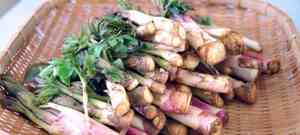
Distinguished by its expansive foliage and imposing stature, spikenard flourishes with thoughtful trimming. Essential methods involve reducing dense stalks and shortening elongated shoots to encourage a more compact form. The most effective time for pruning is in early spring or during the summer, coinciding with the plant's developmental phase. Precise pruning guarantees improved air movement and light exposure, both crucial for spikenard's robustness and general well-being. Consistent elimination of withered or compromised leaves is also advantageous.
What Are the Benefits of Pruning Spikenard?
What Are the Benefits of Pruning Spikenard?
Trimming spikenard promotes stronger development and helps maintain its desired shape. Strategic cuts enhance air circulation and light penetration, crucial for vitality and form retention.
What Is the Best Time for Pruning Spikenard?
What Is the Best Time for Pruning Spikenard?
Trimming spikenard in late spring to early summer aligns with the period after frost when the plant resumes active growth, allowing it to recover quickly from pruning stress. Cutting before new growth emerges helps maintain the plant's desired shape and encourages a denser habit. Avoiding late summer or fall pruning ensures that spikenard is not prompted to produce new growth that may not harden off in time for winter, preventing potential cold damage. Pruning during the recommended seasons also avoids disrupting the flowering cycle, as spikenard blooms on old wood; thus, early pruning allows enjoyment of the plant's natural flowering period.
What Tools Do I Need to Prune Spikenard?
Anvil Pruners
Perfect for removing dead wood and cutting back thicker, woody stems spikenard produces. Their design allows for a clean cut without excessive force, minimizing plant damage.
Bypass Pruners
Best suited for making precise cuts on live stems and smaller branches of spikenard. The blades glide past each other like scissors, providing a clean cut that promotes rapid healing.
Long-Handled Loppers
Useful for reaching into dense growth and providing extra leverage to cut through thicker branches that spikenard may develop, without straining the gardener.
Pruning Saws
Essential for cutting through branches too thick for hand pruners or loppers. Since spikenard can have some tougher stems, a saw may be needed for larger shaping or size reduction.
Pruning Shears
For general upkeep and shaping of spikenard, these shears offer a convenient way to trim and tidy up the foliage without making large cuts.
How to Prune Spikenard
Disinfect tools
Before starting, sanitize all pruning tools using a solution of 1 part bleach to 9 parts water to prevent disease transmission.
Remove diseased leaves
Carefully inspect spikenard and cut off any diseased leaves at their base where they meet the stem. Make sure to remove them from the area to reduce the risk of disease spreading.
Trim withered leaves
Identify any withered or dead leaves and snip them off close to the stem to encourage healthy new growth. Be gentle to avoid damaging the stem itself.
Cut diseased stems
Locate stems showing signs of disease. Using a clean, sharp pair of pruners, cut the diseased stems back to the base or to a point where healthy tissue is visible.
Clean up
After pruning, clear away all removed foliage and stems from the base of spikenard to maintain hygiene and prevent potential disease and pest infestations.
Common Pruning Mistakes with Spikenard
Overpruning
Removing too much foliage from spikenard can weaken the plant, leading to reduced vigor and an unattractive appearance. Gardeners should avoid cutting away more than a third of the plant in a single pruning session.
Improper cut location
Cutting spikenard at the wrong location can cause damage to the plant. Pruning cuts should be made just above a leaf node or bud to promote healthy regrowth.
Blunt instruments
Using dull or dirty pruning tools can cause unnecessary harm to spikenard, leading to jagged cuts that invite pests and diseases. Always use sharp, clean instruments.
Neglecting diseased material
Failing to remove diseased or dead material from spikenard can foster disease spread or pest infestation, adversely affecting the plant's health.
Ignoring plant shape
Not considering the natural shape of spikenard when pruning leads to a lack of aesthetic form and may inhibit the plant's natural growth pattern.
Common Pruning Tips for Spikenard
Selective pruning
Prune spikenard selectively, focusing on removing only dead, diseased, or crossing branches to maintain plant health and airflow.
Use sharp tools
Employ sharp, clean pruning shears or scissors for precise cuts that will heal quickly and reduce the risk of disease entry.
Cut angle
Make cuts at a slight angle away from the bud or leaf node on spikenard to prevent water accumulation and promote proper wound healing.
Thin out center
Thin out the center of spikenard to allow light and air to penetrate the canopy, which encourages healthy growth and reduces disease pressure.
Encourage lateral growth
Encourage bushier growth in spikenard by cutting back the tips of stems, promoting the growth of lateral shoots for a fuller appearance.



