How to Prune Manchurian spikenard?
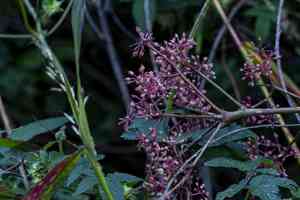
Characterized by its expansive, composite foliage, Aralia elata benefits from pruning in the spring or summer to stimulate robust development and preserve its form. Concentrate on excising deceased or compromised stalks and reducing dense sections. Furthermore, mature stems may be trimmed to foster the emergence of fresh shoots. Performing this task during periods of active growth guarantees rapid recuperation and sturdy proliferation. This method enhances air movement and deters ailments, leading to a thriving and visually appealing specimen.
Advantages of Trimming Manchurian Spikenard
Advantages of Trimming Manchurian Spikenard
Manchurian spikenard benefits from trimming by encouraging robust development and preserving its form. Consistent trimming fosters the growth of healthy new shoots, manages the plant's dimensions, enhances its general look, and aids in pest and disease resistance.
Optimal Time for Pruning Manchurian Spikenard
Optimal Time for Pruning Manchurian Spikenard
Trimming or cutting manchurian spikenard in spring or summer aligns with its active growth phase, enabling the plant to recover and produce new growth efficiently. Pruning during these periods helps maintain the plant's shape and vitality while avoiding the stress linked to dormancy in colder months. It also ensures that manchurian spikenard has already finished flowering or fruiting, preventing the accidental removal of buds or fruits and preserving its decorative and practical value.
Tools Required for Pruning Manchurian Spikenard
Hand Pruners
Perfect for cutting small stems and branches, especially dead or damaged sections, ensuring precise cuts up to 0.75 inches in diameter.
Loppers
Useful for severing thicker branches up to 2 inches in diameter, providing leverage for a clean cut without harming the plant's structure.
Pruning Saw
Essential for removing branches exceeding 2 inches in thickness or for cutting through older, tougher wood effectively.
Bypass Pruners
Excellent for making clean, accurate cuts on live branches, which promotes quicker healing and improves the overall health of manchurian spikenard.
How to Prune Manchurian Spikenard
Assessment
Inspect manchurian spikenard and identify all diseased, withered, and infected stems. Look for discoloration, wilting, or any indications of fungal issues.
Disposal
Carefully remove any diseased and withered leaves by cutting them at the base using clean, sharp pruning shears. Ensure shears are disinfected between cuts to prevent disease spread.
Removal of Diseased Stems
Cut away any diseased stems back to healthy tissue or to the base of manchurian spikenard. Ensure cuts are clean and smooth to avoid leaving jagged edges that could further harm the plant.
Cleanup
Immediately remove and discard all pruned material, especially diseased parts, to prevent any potential spread of infection to healthy parts or nearby plants.
Check and Maintain
Regularly monitor manchurian spikenard for any new signs of disease or stress. Perform periodic maintenance pruning as necessary, focusing on keeping the plant healthy and free from diseased parts.
Common Pruning Errors with Manchurian Spikenard
Excessive Pruning
Removing too much of the plant can significantly weaken manchurian spikenard, reducing its ability to photosynthesize and potentially leading to poor growth or blooming.
Incorrect Cuts
Making jagged or uneven cuts can introduce disease and pest problems. Clean, angled cuts promote better healing and healthier regrowth.
Unsterilized Tools
Using unsterilized pruning tools can transfer diseases from other plants, risking the health of manchurian spikenard. Always clean and sterilize tools before use.
Neglecting Dead and Damaged Branches
Failing to remove dead or damaged branches can hamper overall plant health and growth. These should be promptly and carefully pruned away.
Improper Timing
Pruning at the wrong time of the plant's growth cycle can disrupt its flowering and health. Ensure you know the optimal periods within the recommended pruning season.
General Pruning Advice for Manchurian Spikenard
Utilize Sharp Tools
Always use sharp and well-maintained pruning tools to make clean cuts. This helps the plant heal faster and reduces the risk of disease.
Thin Out Dense Areas
Regularly thin out the inner branches to improve air circulation and light penetration, which can enhance overall plant health and reduce disease risk.
Focus on Form and Structure
Prune to maintain the natural shape of manchurian spikenard, removing any branches that disrupt its aesthetics or structure. This helps in maintaining an attractive appearance.
Remove Suckers and Water Sprouts
Eliminate any suckers growing from the base and water sprouts on the main branches, as they can sap energy from the plant and detract from its form.
Prune Selectively
Only remove up to a third of the plant's growth at a time to avoid stress. Maintain a balance between retaining enough foliage for photosynthesis and removing unwanted growth.



