How to Prune Red columbine?
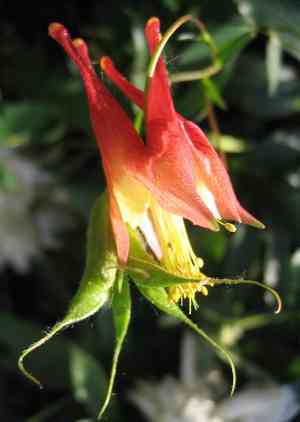
This enduring herbaceous plant, prized for its unique spurred blossoms and delicate leaves, thrives with deliberate trimming to foster vigorous well-being and abundant flowering. Essential pruning methods for red columbine involve removing faded flowers to stimulate ongoing blooming and trimming back foliage after flowering to revitalize development. The most effective pruning takes place from the beginning of spring until the end of summer, coinciding with periods of active growth. Meticulous elimination of lifeless or compromised stems enhances the plant's health and visual appeal while diminishing its vulnerability to illness.
What Are the Benefits of Pruning Red Columbine?
What Are the Benefits of Pruning Red Columbine?
Trimming red columbine promotes robust, vigorous development and helps preserve its desired shape, ensuring peak health and visual appeal.
What Is the Best Time for Pruning Red Columbine?
What Is the Best Time for Pruning Red Columbine?
During early spring, red columbine is inactive, making it the perfect time to prune without stressing the plant. This period allows for the removal of dead or damaged foliage before new growth begins. Late summer, conversely, is suitable for pruning red columbine after its flowering cycle has concluded. Pruning at this time aids in fostering healthy growth for the subsequent season and prevents the plant from directing energy into seed production.
What Tools Do I Need to Prune Red Columbine?
Hand Pruners
Perfect for making clean cuts on red columbine's slender stems, ensuring rapid healing and minimal harm.
Bypass Pruners
These pruners operate like scissors, ideal for precise cutting and preventing damage to the plant's healthy tissue.
Pruning Snips
Excellent for deadheading red columbine without harming surrounding foliage, thanks to their small and accurate blades.
Gloves
Though not a cutting tool, gloves are crucial for safeguarding the gardener's hands from thorns or sharp stems while pruning red columbine.
How to Prune Red Columbine
Step1: Observation & Target Identification
Examine red columbine for any spent blooms and old flowers that require pruning. This initial assessment is vital for targeting the correct parts without impacting healthy growth.
Step2: Pruning Tool Preparation
Prepare your pruning implements. Ensure shears or scissors are clean and sharp to prevent damaging red columbine and to make precise cuts, which are better for the plant.
Step3: Locating Cut Points
Find the base of the dead blossoms and old flowers. This is typically where they connect to the stem or just above the first set of healthy leaves.
Step4: Precise Cutting Technique
Cut the dead blossom or old flower stem just above the leaf nodes, approximately 1/4 inch. This allows red columbine to potentially produce more blooms and directs the plant's energy towards new growth.
Step5: Angling Cuts for Water Runoff
When cutting, angle your cuts away from the leaf node at a 45-degree angle. This ensures that any water landing on the cut area will drain off, reducing the risk of rot or disease.
Step6: Thinning for Air Circulation
After pruning the dead blossoms and old flowers, selectively remove any unhealthy or overly dense stems to enhance air circulation, which is crucial for preventing diseases in red columbine.
Step7: Proper Disposal of Cuttings
Properly discard all pruned material. Do not compost diseased parts as they can spread pathogens. Clear away fallen debris around red columbine to maintain a tidy area and further prevent disease.
Step8: Post-Pruning Tool Cleaning
Clean your tools after finishing with red columbine. This prevents the spread of disease and pests to other plants in your garden.
Step9: Monitoring Post-Prune Health
Monitor red columbine after pruning for any indications of new growth or problems. Regularly inspect the plant throughout its growing season and repeat the pruning process as needed.
Post-Pruning Care for Red Columbine
Post-Pruning Care for Red Columbine
Following pruning red columbine, promptly water to hydrate and settle the soil. Maintain consistent moisture levelsâneither waterlogged nor dryâand ensure red columbine receives filtered sunlight, avoiding intense afternoon rays. Adjust ambient humidity to moderate levels, ideally between 40-60%. Post-pruning, apply a balanced, slow-release fertilizer to encourage development. Monitor red columbine for wilting, discoloration, or unusual spots, indicating stress or illness. If symptoms appear, isolate the plant and seek advice from a plant health expert.
Common Pruning Mistakes with Red Columbine
Excessive Pruning Reduces Flowering and Vigor
Over-pruning red columbine can result in fewer flowers and reduced vigor, as some gardeners may cut back the plant too severely in an attempt to neaten it.
Indiscriminate Snipping Affects Plant Shape
Cutting without thought for the natural form of red columbine can compromise its visual appeal and lead to uneven growth patterns.
Avoid Cutting Back Plant to Ground Post-Bloom
Refrain from cutting back red columbine to the ground after blooming, as this can hinder its ability to establish a strong root system and may shorten its lifespan and health.
Unclean Tools May Introduce Pathogens
Forgetting to clean and sanitize pruning tools before and after use, which can introduce pathogens that may infect the cut areas of red columbine.
Pruning Healthy Sections Causes Stress
Neglecting to remove only the dead or diseased parts of red columbine, which can lead to unnecessary stress and potential disruption of dormancy.
Common Pruning Tips for Red Columbine
Remove Only Dead or Diseased Stems
When tidying up red columbine, focus on removing dead, damaged, or diseased stems to maintain plant health and prevent the spread of disease.
Cut Spent Flower Stems to Base for Reblooming
Cut back the spent flower stems of red columbine to their base to encourage additional blooming and to neaten the plant's appearance.
Angle Cuts Above Outward-Facing Buds for Growth
When reshaping red columbine, make cuts at a 45-degree angle just above an outward-facing bud or leaf to direct future growth outward and maintain good air circulation.
Prune for Open Center to Boost Light and Air Flow
Prune red columbine to maintain an open center for ample light penetration and air circulation, which can foster healthy growth and decrease the likelihood of fungal diseases.
Use Sharp, Clean Shears for Healthy Cuts
Use sharp, clean pruning shears when working with red columbine to make clean cuts that heal quickly and reduce the chance of disease entry.



