How to Prune Wild celery?
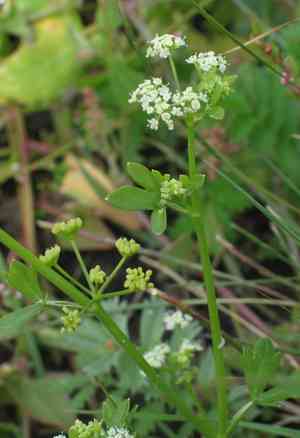
A biennial herb, wild celery is recognized by its fragrant foliage and crisp stems. To achieve peak development, trim the peripheral stalks close to the ground, enabling newer shoots to thrive. The timing is critical; from early spring to late summer is perfect, refraining from pruning when the plant is bolting. Consistent trimming preserves the plant's form, stimulates fresh development, and may improve taste. Think about gathering the outer stalks as a method of pruning, advantageous for both cooking and the plant's well-being.
What Are the Benefits of Pruning Wild Celery?
What Are the Benefits of Pruning Wild Celery?
Trimming wild celery promotes vigorous development and maintains its desired form. Strategic cuts enhance air circulation within the foliage, decrease disease risk, and channel energy to healthier stems, boosting vitality and output.
What Is the Best Time for Pruning Wild Celery?
What Is the Best Time for Pruning Wild Celery?
Early spring trimming aligns with wild celery's emergence from dormancy, which is beneficial for shaping the plant and encouraging robust new growth. Pruning at this time allows wild celery to recover from cuts before its peak growing season, minimizing stress and vulnerability to diseases. Late summer pruning coincides with the end of wild celery's active growth cycle, making it an ideal time to remove any overgrown or dead foliage and to maintain its desired size and shape. Trimming wild celery during these periods also avoids interfering with its natural flowering and fruiting cycles, ensuring the plant remains healthy and productive.
What Tools Do I Need to Prune Wild Celery?
By-pass Hand Pruners
Suitable for cutting through wild celery stems that are less than 1/2 inch in diameter; offers a clean cut that promotes healthy regrowth.
Garden Scissors
Ideal for fine-tuning and shaping wild celery, as it allows for precise cuts without damaging the delicate stems.
Cleaning Cloth
Used for wiping the blades of pruning tools before and after use to prevent the spread of disease among wild celery plants.
Pruning Saw
Necessary for removing wild celery stems thicker than 1/2 inch; ensures quick and efficient cuts without causing unnecessary stress to the plant.
Gloves
Protects the hands from getting irritated by wild celery's sap or from accidental cuts during the pruning process.
How to Prune Wild Celery
Step1: Identify Plant Parts for Pruning
Examine wild celery for the parts that require trimming â specifically old flower stems, yellow leaves, and withered branches. Perform this step with care to identify what needs to be removed without harming the healthy parts of the plant.
Step2: Sanitize Pruning Tools
Sanitize your pruning tools before starting. You can do this by wiping the blades with a cloth soaked in isopropyl alcohol. This prevents the spread of diseases between plants.
Step3: Remove Old Flower Stems
Start with the removal of old flower stems. Carefully cut these stems at their base, near the point where they emerge from the main stalk. Use sharp, clean scissors or pruning shears to make clean cuts which will help wild celery heal faster and reduce the risk of disease.
Step4: Prune Yellow Leaves
Prune yellow leaves by cutting them at the base of their stem. Yellow leaves can be indicative of age, disease, or lack of nutrients. Removing them helps the plant direct its energy to the growth of healthy foliage.
Step5: Trim Withered Branches
Trim withered branches, which are typically dry and brittle. Make the cuts at the intersection with healthy tissue, just above a node or lateral branch. Ensure you donât leave stubs as they can be entry points for pests and diseases.
Step6: Shape the Plant
After pruning the identified parts, shape wild celery to maintain its overall structure and appearance. Trim any irregular growths or out-of-place branches to maintain a balanced shape.
Step7: Dispose of Pruned Material
Clear away all the pruned material from around the base of wild celery. Decomposing plant matter can attract pests and facilitate the spread of disease to wild celery or other nearby plants.
Step8: Water Plant After Pruning
Water wild celery adequately post-pruning to help reduce stress on the plant. Ensure proper watering practices are followed to prevent the onset of diseases commonly associated with excessive moisture.
Step9: Monitor Plant Recovery
Monitor wild celery in the following days and weeks to check for signs of stress or disease. Pruning can be stressful for plants, and it is crucial to ensure the plant recovers well and continues to thrive.
Post-Pruning Care for Wild Celery
Post-Pruning Care for Wild Celery
Immediately following pruning, wild celery requires thorough watering to mitigate stress. Ensure optimal growth by keeping wild celery in a well-lit, temperate environment with moderate humidity. Adjust watering as necessary to maintain consistent soil moisture. Post-pruning, apply a balanced fertilizer to replenish nutrients and promote recovery. Regularly monitor wild celery for yellowing leaves or wilting, indicators of stress or disease, and adjust care accordingly. Promptly remove any diseased tissue to prevent spread.
Common Pruning Mistakes with Wild Celery
Over-Pruning Can Shock Plants
Pruning too much of the plant at once, which can shock wild celery and stunt its growth.
Dull Tools Damage Stems and Spread Disease
Using dull or dirty pruning tools, risking damage to wild celery's stems and inviting disease.
Improper Pruning Affects Plant Shape and Yield
Pruning without understanding the growth pattern of wild celery, leading to an undesirable plant shape or reduced harvest.
Common Pruning Tips for Wild Celery
Use Sharp, Clean Shears for Healthy Cuts
Always use sharp, clean pruning shears to make clean cuts on wild celery, which help the plant heal faster and reduce the risk of disease.
Remove Dead Foliage to Boost Plant Growth
Focus on removing dead or yellowing leaves from wild celery to redirect energy to healthy growth.
Thin Out Crowded Plants to Enhance Airflow and Health
Prune wild celery by thinning out crowded areas to improve air circulation, which is essential for preventing disease and promoting robust growth.



