How to Prune Zebra plant?
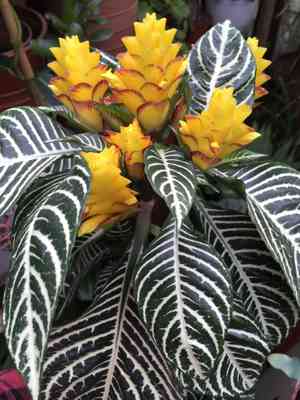
Featuring prominent white-veined foliage, zebra plant flourishes when trimmed to foster a denser form and eliminate spent blooms. Cut stems just above leaf junctions to stimulate fresh development. The ideal period spans from early spring through late autumn, aligning with its vigorous growth stages. Trimming improves light penetration and air movement, contributing to the plant's well-being. Refrain from extensive pruning during winter to avert strain.
What Are the Benefits of Pruning Zebra Plant?
What Are the Benefits of Pruning Zebra Plant?
Trimming zebra plant promotes vigor and maintains an appealing shape. Strategic cuts encourage dense foliage and support the plant's robust development, keeping its distinctive stripes vibrant and well-defined.
What Is the Best Time for Pruning Zebra Plant?
What Is the Best Time for Pruning Zebra Plant?
Early spring is an ideal period for pruning zebra plant as the plant is emerging from winter dormancy and entering its active growth phase. Trimming at this time stimulates new growth and helps shape the plant before it expends energy on developing leaves. Pruning in late fall is beneficial as it prepares zebra plant for the dormant winter by removing old or crowded stems, which can improve air circulation and reduce pest and disease risk. Additionally, trimming after flowering avoids cutting off flower buds, ensuring the plant can display its vibrant blooms the following season.
What Tools Do I Need to Prune Zebra Plant?
Sterilized Pruning Shears
For trimming and shaping zebra plant, sharp, sterilized pruning shears are crucial. Zebra plant has relatively soft stems that can be easily damaged by dull or dirty blades, potentially leading to disease. Sterilizing shears with alcohol or a bleach solution before and after use will help prevent pathogen spread.
Pruning Snips
Pruning snips are perfect for precise tasks on zebra plant, such as deadheading or removing small, delicate growth. Since zebra plant may have small leaves and intricate patterns, snips allow for more accurate cuts without harming surrounding foliage.
Gloves
Wearing gloves is advisable when handling zebra plant, to protect the gardener's hands from potential skin irritants and to ensure a firm grip on the pruning tools, which enhances safety and control during the pruning process.
How to Prune Zebra Plant
Step1: Identifying Parts to Prune
Identify the sections of zebra plant that require trimming. Look for dead leaves, withered branches, and any unattractive or overly mature flower buds that need removal for healthier growth and appearance.
Step2: Sterilize Pruning Tools
Begin with sterilized pruning shears to prevent disease transmission. Clean the blades with rubbing alcohol or a 1:10 bleach solution before starting to prune.
Step3: Snipping Dead Leaves
Remove dead leaves by snipping them at the base where the leaf stem meets the main stem. Ensure a clean cut to avoid damaging the healthy tissue of zebra plant.
Step4: Pruning Withered Branches
Prune withered branches by cutting at a 45-degree angle just above a healthy leaf node. This angle promotes water runoff and reduces the likelihood of disease entering the cutting site.
Step5: Removing Unhealthy Flower Buds
Pinch off unsightly or overly mature flower buds with your fingers or prune them using your shears, cutting close to the base of the bud. This will encourage zebra plant to direct its energy towards new growth and potentially more blooms.
Step6: Evaluating Plant Shape and Balance
After pruning the specified parts, assess zebra plant for overall shape and balance. If additional shaping is necessary, prune just above leaf nodes at the point where you want new growth to occur.
Step7: Disposing of Pruned Material
Discard the trimmed material away from zebra plant to prevent any potential pest or disease issues.
Step8: Watering After Pruning
Water zebra plant after pruning to help it recover from the stress of being trimmed. Ensure proper care in terms of sunlight exposure, humidity, and temperature is provided in the following weeks.
Step9: Monitoring Post-Pruning Recovery
Monitor zebra plant for signs of stress and growth. Healthy new leaves and branches should begin to grow from the pruned areas in time, indicating a successful pruning session.
Post-Pruning Care for Zebra Plant
Post-Pruning Care for Zebra Plant
After pruning, place zebra plant in bright, indirect light and maintain high humidity with a temperature range of 65-75°F. Water sparingly until new growth appears, ensuring soil remains lightly moist. Start a half-strength, balanced fertilizer regime bi-weekly once recovery signs emerge. Regularly inspect zebra plant for wilt or discoloration, indicative of stress or infection. Remove affected areas and improve care conditions if these signs are present. Consistent monitoring will promote zebra plant's healthy regrowth.
Common Pruning Mistakes with Zebra Plant
Dull Tools Damage Plant Tissue
Using dull or dirty pruning tools, which can harm zebra plant by causing jagged cuts or introducing disease.
Over-Pruning Impedes Plant Growth
Excessive pruning of zebra plant, which can stress the plant and reduce its ability to flourish. Removing too much foliage can limit photosynthesis and impair growth.
Removing Healthy Growth Inhibits Flowering
Trimming healthy growth instead of only the necessary parts, such as dead or damaged leaves and stems. This can hinder zebra plant's potential for optimal health and flowering.
Disregarding Plant's Natural Shape
Ignoring the natural form of zebra plant during pruning, which can result in an unbalanced or unnatural appearance for the plant.
Incorrect Pruning Angle Invites Disease
Failing to prune at the correct angle, which can lead to water pooling on the cut surfaces and increase the risk of disease.
Unsanitized Tools Spread Pests and Diseases
Not sanitizing the tools before pruning another plant, which can spread pests and diseases among plants.
Common Pruning Tips for Zebra Plant
Sharp, Clean Cuts Promote Quick Healing
Utilize sharp, clean pruning shears to make precise cuts that will heal rapidly, minimizing the risk of infection in zebra plant.
Pruning Encourages Growth and Compact Form
Target leggy stems, dead or yellowing leaves, and any spent flower spikes to encourage new growth and maintain a bushy, compact form for zebra plant.
Prune Above Nodes for New Growth
Prune just above a leaf node or a branching point, as this encourages zebra plant to produce new growth at the site of the cut.
45-Degree Angle Cuts Prevent Water Damage
Cut at a 45-degree angle, which helps to prevent water from sitting on the surface of the cuts, protecting zebra plant from potential fungal infections.
Regular Pests and Diseases Checks During Pruning
Regularly check zebra plant for any signs of pests or diseases when pruning, as early detection can prevent larger issues.
Limit Pruning to One-Third of Plant
Avoid removing more than one-third of zebra plant's growth at a time to prevent unnecessary stress on the plant.
Post-Pruning Care for Strong Recovery
After pruning, care for zebra plant by providing adequate water, light, and fertilization to support recovery and new growth.



