How to Prune Muku?
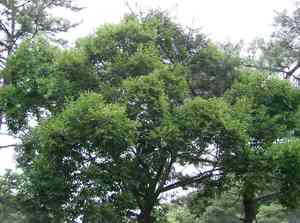
Originating from East Asia, muku is recognized for its coarse surface and expansive, shedding foliage. Trimming ought to be performed in late winter or early spring to preserve its form, stimulate development, and guarantee the plant's well-being. Selective thinning enhances light access and air movement, which are crucial for muku's vigor. Eliminating lifeless or compromised limbs deters illness. Executing pruning during these designated times coincides with the plant's inactive phase, enabling recuperation prior to periods of vigorous growth.
Advantages of Trimming Muku
Advantages of Trimming Muku
Trimming muku encourages robust development and helps preserve its desired form, which is vital for both its visual appeal and overall well-being.
Optimal Period for Pruning Muku
Optimal Period for Pruning Muku
Late winter and early spring are considered the best times to prune or trim muku, as these seasons typically precede the start of the new growth cycle. Pruning during late winter, when the plant is still dormant and before sap begins to flow, minimizes stress and allows the plant to recover from cuts without diverting energy from emerging growth. In early spring, as muku starts to exit dormancy, it becomes easier to identify dead or diseased wood, making it an ideal time to shape the plant and remove any unwanted branches. This timing also prevents the removal of new shoots that will appear as the weather warms, ensuring that the plant's flowering and fruiting potentials are not compromised. Proper pruning during these seasons promotes healthy growth, ensures structural integrity, and maintains the aesthetic form of muku, preparing it for a vigorous growing season.
Tools Required for Muku Pruning
Hand Pruners (Secateurs)
Perfect for making precise cuts on smaller branches and twigs of muku, ensuring accurate control during the trimming process.
Loppers
These offer longer handles for increased leverage and reach, making them suitable for cutting through thicker muku branches that are difficult to access with hand pruners.
Pruning Saws
For mature muku trees with thick branches, a sharp pruning saw is essential for efficient larger cuts without harming the tree.
Shears
Excellent for shaping and trimming the smaller leaves and softer stems of muku, providing a neat and tidy finish.
Pole Pruners
For high branches that are out of reach, pole pruners enable safe pruning without the need for ladders, maintaining the desired shape and health of muku.
How to Prune Muku
Sanitize
Before beginning, ensure all pruning tools are clean and sterilized to prevent the spread of diseases to muku.
Examine
Thoroughly inspect muku to identify all dead and diseased branches that require removal. Look for branches that are discolored, brittle, or show signs of infection.
Cut dead branches
Using sharp pruning shears, make clean cuts to remove dead branches. Cut at a slight angle, just above a healthy bud or node to encourage new growth.
Remove diseased branches
Carefully cut away diseased branches on muku, ensuring you remove the entire affected area to prevent further infection. Dispose of these branches properly to avoid contaminating compost or other plants.
Shape plant
After removing the dead and diseased branches, lightly prune muku to maintain its natural shape. Avoid excessive cutting back to preserve the plantâs health and aesthetics.
Common Muku Pruning Errors
Excessive Pruning
Removing too much foliage or too many branches can stress muku, leading to poor health and reduced vigor. It's essential to prune no more than one-third of the overall growth to maintain the plant's health.
Incorrect cutting technique
Using dull tools or making jagged cuts can harm muku by creating wounds that are susceptible to disease and pests. Clean, sharp cuts heal faster and reduce the risk of infection.
Indiscriminate pruning of healthy wood
Cutting away too much healthy wood can limit muku's future growth. It's crucial to focus on removing only dead, diseased, or damaged branches to promote a healthier plant structure.
Ignoring plant structure
Neglecting the natural shape of muku can result in an unattractive and unbalanced appearance. Properly understanding the growth habits of muku is vital for aesthetic and functional pruning.
General Muku Pruning Advice
Clean tools
Before starting, ensure that all pruning tools are clean and sterilized to prevent the spread of disease between plants when working on muku.
Focus on dead or diseased wood
Prioritize the removal of dead, damaged, or diseased wood to help muku devote more energy to producing new, healthy growth.
Consider plant health
Assess the overall health of muku, and adjust the extent of pruning accordingly. Weak or stressed plants may require less drastic pruning.
Shape intelligently
Prune muku with its natural form in mind. Aim to maintain or improve the plant's structure while encouraging airflow and light penetration, which are essential for healthy growth and flowering.
Healing
After pruning muku, allow it to heal naturally without applying wound dressings, as they can inhibit the natural healing process and may promote decay.



