How to Prune Garden snapdragon?
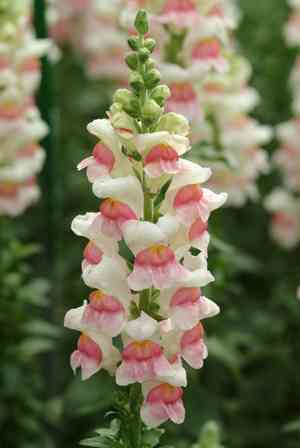
Distinguished by vibrant, uneven blossoms, the garden snapdragon is a perennial frequently cultivated as an annual. Consistently remove spent blooms to stimulate further flowering. Undertake significant trimming in early spring to sculpt the plants and foster robust development. Removing spent flowers is vital for improving their look and extending their flowering duration. Trimming prior to winter aids in disease prevention. Consistent pruning guarantees a dense, more bushy growth habit, thereby enhancing the plant's general well-being and visual charm.
Advantages of Trimming Garden Snapdragon
Advantages of Trimming Garden Snapdragon
Trimming garden snapdragon promotes abundant flowering and stimulates its vigor. Consistent cutting helps maintain a desired size and form, ensuring a neat look and optimal health.
Optimal Time for Trimming Garden Snapdragon
Optimal Time for Trimming Garden Snapdragon
Trimming in early spring is best as it readies garden snapdragon for its new growth phase, removing any dead or damaged stems from winter, and shaping the plant for the upcoming season. This timing ensures the plant's energy is directed towards producing fresh, healthy growth. Late fall trimming is also beneficial as it helps prevent disease by removing spent flowers and seed pods, which could harbor pests or pathogens over winter. Furthermore, late fall trimming can stimulate stronger, more robust growth the following spring. Both seasons minimize stress on garden snapdragon, allowing it to recover quickly and maintain strong health.
Necessary Tools for Trimming Garden Snapdragon
Hand Pruners
These are perfect for cutting through garden snapdragon stems, which are typically small in diameter. Hand pruners allow for accurate cuts without causing unnecessary harm to the plant's structure.
Sharp Scissors
For deadheading or shaping garden snapdragon, sharp scissors can be used to snip off faded flowers and gently shape the plant. Their precision is suitable for the delicate work required.
Pruning Shears
Pruning shears are appropriate when a more forceful cut is needed for older or woody stems. They provide a clean cut, which is crucial for the health of garden snapdragon.
Gardening Gloves
Gloves protect hands from thorns and plant sap when trimming garden snapdragon. They also offer a better grip on tools, making your trimming task safer and more comfortable.
Disinfectant
Cleaning trimming tools with disinfectant before and after use will help prevent the spread of disease between garden snapdragon and other plants.
How to Trim Garden Snapdragon
Step1: Shear Preparation and Sanitization
Before beginning, ensure you have clean, sharp pruning shears to minimize any potential harm to garden snapdragon. Sanitize the shears with a solution of one part bleach to nine parts water to prevent disease transmission.
Step2: Damage and Growth Assessment
Identifying the parts of garden snapdragon that need trimming is vital. Look for dead flowers, diseased sections, and overgrown branches. Removing these parts will encourage healthy growth and better shape the plant.
Step3: Deadheading for Bloom Promotion
Start with deadheading, which involves removing faded blooms. Carefully snip off the dead flowers just above the first set of healthy leaves. This encourages garden snapdragon to produce more flowers and can extend its blooming period.
Step4: Disease and Damage Removal
Inspect garden snapdragon for any signs of disease or damage. Common indicators include discolored leaves, wilting, and visible pests. Use the clean shears to cut away any diseased or damaged parts, making cuts at least an inch into healthy tissue to ensure complete removal of all affected areas.
Step5: Corrective Trimming of Overgrowth
To address overgrown branches, determine the desired shape and size of garden snapdragon. Trim back overgrown branches by making cuts just above a leaf node at a 45-degree angle; this angle helps prevent water from collecting on the cut surface, reducing the possibility of disease.
Step6: Overall Shape and Balance
After trimming the necessary parts, assess garden snapdragon for overall shape and balance. If needed, lightly shape the plant by trimming a few additional branches to maintain a pleasing, natural-looking form.
Step7: Post-Trimming Cleanup
Once trimming is complete, clean up all trimmings from around garden snapdragon to reduce the likelihood of disease or pest infestation. Dispose of diseased plant material properly and do not compost to avoid spreading any pathogens.
Step8: Tool Sanitization and Storage
Clean and sanitize trimming tools after use to prevent the spread of any potential disease to other plants. Store them properly to keep them sharp and in good condition for the next trimming session.
Step9: Plant Recovery and Care
Aftercare is crucial. Water garden snapdragon if the soil is dry and consider applying a balanced fertilizer to support recovery and new growth after the trimming process.
Post-Trimming Care for Garden Snapdragon
Post-Trimming Care for Garden Snapdragon
Immediately after trimming garden snapdragon, water the plant to reduce stress. Ensure garden snapdragon is placed in a bright area without direct harsh sunlight to aid recovery. Maintain stable temperatures and moderate humidity. Post-trimming, apply a balanced, slow-release fertilizer to encourage healthy regrowth. Regularly inspect garden snapdragon for signs of stress, such as wilting or discoloration, and for infection markers like spots on leaves. If symptoms occur, adjust care accordingly and consider a fungicide if an infection is suspected.
Common Trimming Errors with Garden Snapdragon
Excessive Trimming Stresses Plants
Trimming garden snapdragon too aggressively, which can remove too much of the plant and stress it, potentially limiting its growth and blooming potential.
Unsanitized Tools Spread Disease
Not sanitizing trimming tools before use, which can spread diseases to garden snapdragon from infected plant material.
Uniform Trimming Reduces Natural Shape
Trimming all stems to the same height, which can lead to a lack of natural shape and a lesser display of flowers.
Neglecting Diseased Stems Impairs Health
Ignoring dead or diseased stems, which can hinder healthy growth and even compromise the plant's overall health.
General Trimming Advice for Garden Snapdragon
Use Sharp, Clean Shears for Healthy Cuts
Use sharp, clean shears to make precise cuts on garden snapdragon, which will help prevent stem damage and reduce disease risk.
Deadheading Promotes New Blooms
Deadhead spent flowers regularly to encourage garden snapdragon to produce new blooms and maintain a tidy appearance.
Trim Leggy Stems for Bushier Growth
Trim back leggy stems to a set of healthy leaves to promote bushier growth and more abundant flowering in garden snapdragon.
Thin Stems to Enhance Air Circulation
Thin out crowded areas by selectively removing some stems at their base to improve air circulation and reduce the risk of fungal diseases for garden snapdragon.
Trim After Blooms for Rejuvenation
Cut back garden snapdragon lightly after the first flush of blooms to rejuvenate the plant and encourage a second blooming period.



