How to Prune Pigtail anthurium?
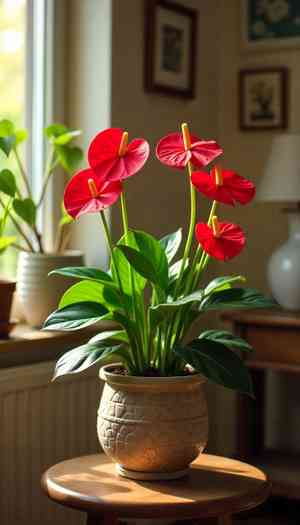
This tropical perennial, recognized for its vivid, tail-like spathes and arrow-shaped leaves, thrives with consistent trimming to preserve its vitality and aesthetic. Eliminate discolored or deceased leaves near the base and clip faded blossoms to stimulate fresh development. Trimming can occur throughout the year, though it is most effective during the active growth period for strong recuperation. Pruning enhances air movement, lowers the chance of illness, and encourages abundant flowering, ensuring pigtail anthurium remains visually appealing and robust.
What Are the Benefits of Pruning Pigtail Anthurium?
What Are the Benefits of Pruning Pigtail Anthurium?
Trimming pigtail anthurium encourages more abundant flowering, enhancing its decorative appeal. Regular cutting helps maintain robust growth, while also keeping the plant's size and shape tidy and visually pleasing.
What Is the Best Time for Pruning Pigtail Anthurium?
What Is the Best Time for Pruning Pigtail Anthurium?
The main reason for pruning pigtail anthurium at any time of year is its continuous growth habit under ideal conditions. Pigtail anthurium's ability to grow year-round means that light trimming can be done at any point without disrupting its growth cycle. This ensures the removal of dead or yellowed leaves, maintaining plant vitality, and promoting lush foliage. Seasonal factors like temperature and light availability do not significantly affect pigtail anthurium as it is typically grown indoors, lessening the impact of seasonal changes on its growth and flowering rhythm. Therefore, when performed sparingly and as needed, pruning can be carried out throughout the year without compromising the plant's vigor or blooming potential.
What Tools Do I Need to Prune Pigtail Anthurium?
Sterilized Precision Pruners
These are perfect for making clean cuts on pigtail anthurium's delicate stems and removing dead or yellowed leaves without harming the plant. Sterilization prevents disease transmission.
Sharp Scissors
Small, keen scissors can be utilized for trimming smaller leaves or cutting away unwanted growth. They should be precise to avoid tearing the plant's tissues.
Gloves
Wearing gloves protects hands during pruning and prevents the transfer of oils or residues that might affect pigtail anthurium.
Soft Cloth
A gentle cloth moistened with water or rubbing alcohol can be used for wiping down leaves and pruning tools before and after use, to maintain plant cleanliness.
How to Prune Pigtail Anthurium
Sterilize
Clean and sanitize pruning tools with alcohol or a bleach solution to prevent disease spread when trimming pigtail anthurium.
Remove Diseased
Carefully remove any diseased leaves and branches from pigtail anthurium by making a clean cut at the base of the affected parts to prevent contamination of healthy tissue.
Trim Withered
Clip off withered leaves and flowers close to the main stem to encourage new growth and maintain the aesthetic appeal of pigtail anthurium.
Eliminate Dead Branches
Cut away dead branches at the point where they meet healthy stem or soil level, ensuring a smooth cut that pigtail anthurium can heal efficiently.
Healthy Growth
Prune back any excessive growth or long, leggy stems to promote a fuller, more compact shape for pigtail anthurium, being mindful to make cuts just above a leaf node.
Common Pruning Mistakes with Pigtail Anthurium
Dull Tools
Using blunt pruning tools can damage the stems of pigtail anthurium, leading to an increased risk of disease.
Over Pruning
Removing too much foliage at once can stress pigtail anthurium, hindering its growth and flowering potential.
Pruning Healthy Parts
Mistakenly cutting away healthy leaves and roots can weaken pigtail anthurium, as these are vital for photosynthesis and nutrient absorption.
Neglecting Diseased Areas
Failing to remove diseased or pest-infested parts of pigtail anthurium can allow the problem to spread throughout the plant.
Incorrect Cuts
Making cuts too close to the main stem or node can injure pigtail anthurium and potentially cause rot.
Common Pruning Tips for Pigtail Anthurium
Sharp Tools
Always use sharp, clean shears or scissors to make clean cuts that will heal quickly, reducing the risk of disease for pigtail anthurium.
Selective Pruning
Prune only dead or yellowing leaves, spent flowers, and any leggy or overgrown stems to maintain pigtail anthurium's shape and health.
Conservative Approach
Adopt a conservative pruning approach, especially for novices, trimming little by little and evaluating the plant's response before continuing.
Sanitation
Disinfect pruning tools before and after working on pigtail anthurium to prevent the spread of diseases between plants.
Healing Time
Allow time for pigtail anthurium to heal after pruning by providing optimal care conditions like proper watering and indirect sunlight.



