How to Prune Flamingo flower?
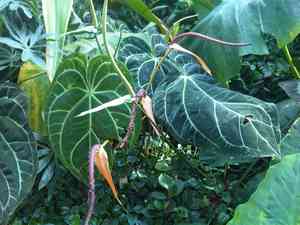
Known for its cordate, plush foliage and prominent venation, Anthurium andraeanum thrives with consistent trimming. Detach discolored or lifeless leaves and faded blooms near the base to foster robust development and a neat look. Perform pruning in spring or early summer to facilitate recuperation during its active growth period; refrain from autumn pruning to avert strain prior to its dormant phase. Trimming stimulates denser growth and more expansive leaves, crucial for Anthurium andraeanum's aesthetic appeal. Disinfect implements to preclude pathogen spread and guarantee precise incisions.
What Are the Benefits of Pruning Flamingo Flower?
What Are the Benefits of Pruning Flamingo Flower?
Trimming flamingo flower promotes robust development by reallocating energy to healthier sections, fostering a strong root system. It aids in maintaining the desired size and form, ensuring an attractive look and improving light penetration to inner foliage.
What Is the Best Time for Pruning Flamingo Flower?
What Is the Best Time for Pruning Flamingo Flower?
Pruning flamingo flower is ideally done in Spring as it aligns with the start of the plant's active growth phase, allowing flamingo flower to recover and produce new leaves more quickly after trimming. Early Summer remains an acceptable period to prune flamingo flower, as it is still within the active growing season, ensuring that any stress or damage from pruning can be rapidly overcome. Pruning during this time also helps maintain the plant's desired shape and size, which can be particularly beneficial in preventing overgrowth. Late Fall is suitable for minor trimming or removing any dead or damaged leaves and stems that accumulated over the growing season, thereby helping flamingo flower to direct its energy towards healthy growth when Spring arrives. Pruning should be approached cautiously during this time to avoid significant cutting back, which could potentially harm the plant during Winter's slower growth period. These seasons ensure the plant retains vigor, looks aesthetically pleasing, and experiences minimal stress or disease susceptibility due to optimal timing with its natural growth cycles.
What Tools Do I Need to Prune Flamingo Flower?
Sharp scissors or snips
For precise cuts, preventing harm to flamingo flower's delicate stems and leaves during trimming.
Disinfectant for tools
Flamingo flower is prone to infections; thus, sanitizing pruning tools before use helps stop the spread of diseases.
Gloves
Protects the gardener's hands from irritants and ensures the plant is not contaminated by skin oils or dirt.
Microfiber cloth
To gently wipe away debris or sap from flamingo flower's leaves after pruning, preserving its aesthetic appeal without causing damage.
How to Prune Flamingo Flower
Clean Tools
Sanitize pruning shears or scissors with alcohol or bleach solution to prevent disease transmission before starting to prune flamingo flower.
Inspect Plant
Examine flamingo flower for any diseased, withered leaves, as well as any dead or unhealthy branches that require removal.
Remove Diseased Leaves
Carefully cut off any diseased leaves at the stem's base, ensuring not to harm healthy parts of flamingo flower.
Remove Dead Material
Trim away withered leaves and dead branches by cutting at a 45-degree angle just above a healthy section or leaf node to encourage better growth in flamingo flower.
Final Check
Perform a final inspection to ensure all unwanted material has been removed from flamingo flower and properly dispose of the trimmed parts.
Common Pruning Mistakes with Flamingo Flower
Over-Pruning
Removing too many leaves or stems at once can stress flamingo flower, leading to poor growth or even plant demise.
Sharpness Of Tools
Using dull tools can cause damage to flamingo flower's stems, leading to unhealthy wounds that could invite disease.
Incorrect Cuts
Cutting too close to the main stem can damage the growth nodes on flamingo flower, while leaving too much of a stub can promote disease.
Pruning Disease-Prone Areas
Failing to disinfect tools between cuts, especially when dealing with diseased parts, can spread pathogens throughout flamingo flower.
Disregard For Aesthetics
Not considering the natural shape of flamingo flower may result in an unbalanced or unnatural appearance after pruning.
Common Pruning Tips for Flamingo Flower
Clean Tools
Before pruning flamingo flower, ensure that cutting tools are clean and sterilized to prevent the spread of disease.
Angled Cuts
Make clean, angled cuts on flamingo flower to promote water runoff and prevent fungal growth on the wound site.
Judicious Pruning
When pruning flamingo flower, remove only the necessary parts, such as dead or yellowing leaves and wilted flowers, to avoid stressing the plant.
Node Awareness
Trim just above leaf nodes to encourage branching and new growth in flamingo flower, but avoid cutting into the nodes.
Proper Wound Treatment
After making cuts on flamingo flower, consider applying a natural antiseptic like cinnamon powder to the wounds to facilitate healing and prevent disease.



