How to Prune Flamingo flower?
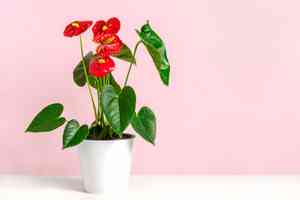
Recognized for its vibrant, heart-shaped spathes and spadices, Anthurium andraeanum flourishes with consistent trimming. Eliminate discolored foliage, spent blossoms, and elongated stalks to stimulate development and blooming. Minor pruning can be performed year-round, but significant reductions are most effective after the flowering period. This fosters revitalization and preserves a dense form. Disinfect instruments to avert pathogen transmission. Advantages of pruning encompass improved plant robustness and a more attractive look.
Advantages of Trimming Flamingo Flower?
Advantages of Trimming Flamingo Flower?
Trimming flamingo flower encourages the emergence of fresh, vibrant blossoms while fostering robust development. It aids in preserving the desired shape and size, ensuring flamingo flower looks its best and fits its designated area.
Optimal Time for Trimming Flamingo Flower?
Optimal Time for Trimming Flamingo Flower?
Spring is ideal for trimming flamingo flower as it marks the start of the plant's most active growth phase, allowing it to recover quickly from cuts and produce new growth. Early autumn trimming ensures new growth has time to harden before colder late autumn and winter temperatures. Avoid trimming in late autumn and winter when the plant is less active, reducing its ability to heal from pruning wounds. These timings align with flamingo flower's natural growth cycle and seasonal needs to maintain its health and bloom cycle.
Tools Required for Trimming Flamingo Flower?
Sharp Bypass Shears
These are perfect for making clean cuts on flamingo flower's stems without crushing plant tissues, leading to faster healing.
Precision Snips
For trimming smaller leaves or removing spent flowers, precision snips allow for detailed work without harming nearby foliage.
Disinfectant
Using a disinfectant on trimming tools is crucial to prevent the spread of diseases when trimming flamingo flower.
Gloves
Protective gloves are advised to prevent skin irritation when handling flamingo flower and to provide a better grip on tools during trimming.
How to Trim Flamingo Flower
Step1: Inspecting Plant for Unhealthy Growth
Carefully inspect flamingo flower to identify dead flowers, yellow leaves, and wilted stems that need trimming. Look for signs of browning, yellowing, and wilting to differentiate between healthy and unhealthy parts.
Step2: Sterilizing Trimming Tools
Sterilize your trimming shears or scissors with rubbing alcohol or a 10% bleach solution to prevent disease transfer to flamingo flower. Clean tools after each cut if trimming diseased parts.
Step3: Removing Dead Flowers
Start with dead flowers. Carefully snip the flower stalk of flamingo flower at its base, where it meets the main stem or leaf. Avoid cutting healthy parts of the main stem or nearby flowers.
Step4: Trimming Yellow Leaves
Proceed to yellow leaves. For leaves that are entirely yellow, cut at the base where the leaf stem connects to the main plant. If only a portion of a leaf is yellow or brown, make a clean cut to remove the discolored part, leaving the healthy green section intact.
Step5: Cutting Wilted Stems
Address wilted stems by following the stem of flamingo flower down to the plant's base or to the next major intersection with a healthy stem or leaf. Make a diagonal cut to promote healing and prevent water accumulation.
Step6: Shaping the Plant
Shape flamingo flower after removing unhealthy parts. Trim any excessively long or misshapen stems to maintain a balanced appearance. Ensure you trim just above a leaf node to encourage new growth.
Step7: Disposing of Trimmed Material
Dispose of trimmed material away from flamingo flower, as it can attract pests or encourage disease. Clean the area around the plant to maintain a healthy growing environment.
Step8: Watering Post-Trimming
Water flamingo flower after trimming, focusing on the plant's base and avoiding the foliage. This will help flamingo flower recover from the stress of trimming and promote healthy regrowth.
Step9: Monitoring Plant Health
Monitor flamingo flower over the next few days for signs of stress or disease. Adjust care practices, such as watering and lighting, if necessary to ensure optimal health and growth.
Post-Trimming Care for Flamingo Flower
Post-Trimming Care for Flamingo Flower
Immediately after trimming flamingo flower, ensure it is placed in a well-lit area without direct sunlight. Maintain high humidity and a temperature range of 65-75°F to aid recovery. Introduce a balanced liquid fertilizer monthly to replenish nutrients. Monitor flamingo flower for wilting or discoloration, signs of stress or infection. If symptoms appear, adjust care and consult a horticulturist. Regularly check for pests, as flamingo flower is more vulnerable post-trimming.
Common Trimming Errors with Flamingo Flower
Over-trimming
Trimming too much at once, which can stress flamingo flower and may lead to shock or stunted growth.
Dull/Unclean Tools
Using dull or unclean trimming tools, risking stem damage and potential disease introduction.
Removing Healthy Growth
Trimming healthy leaves and flowers instead of focusing on dead or diseased foliage, which can reduce the plant's ability to photosynthesize and bloom.
Common Trimming Advice for Flamingo Flower
Sharp and Sanitized Tools
Ensure all trimming tools are sharp and sanitized before use to make clean cuts and prevent disease spread to flamingo flower.
Trim Dead/Yellow Leaves
Trim dead or yellowing leaves at the stem's base to promote energy allocation to healthy growth and flowering in flamingo flower.
Cut Above Leaf Node
When trimming, cut just above a leaf node or growth points to encourage new growth without risking harm to the main structure of flamingo flower.



