How to Prune Garden chervil?
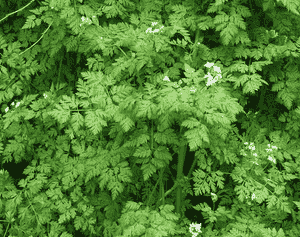
A fragile, fern-like herb, garden chervil thrives with consistent trimming to foster dense development and boost foliage output. Schedule pruning to align with active growth phases in spring, summer, and autumn. Nip off the terminals and eliminate any blossoming stalks to preserve taste and avert premature seeding. Prompt removal of yellowed lower leaves deters illness. Trimming advantages encompass better air movement and continuous yields across the cultivation period.
What Are the Benefits of Pruning Garden Chervil?
What Are the Benefits of Pruning Garden Chervil?
Trimming garden chervil promotes robust development and helps maintain its desired form. By eliminating dead or weak stems, garden chervil is revitalized, leading to denser, more vigorous foliage. This supports healthy growth, free from unnecessary strain.
What Is the Best Time for Pruning Garden Chervil?
What Is the Best Time for Pruning Garden Chervil?
Spring is an optimal period to prune garden chervil, aligning with the start of its active growth cycle. Pruning at this time allows gardeners to shape the plant and remove any dead or weak stems before vigorous growth begins. It also reduces the chance of spreading pests and diseases common during warmer, more humid summer months. Summer pruning is generally not recommended for garden chervil as it can cause excessive moisture loss through transpiration and increase plant stress. Early fall is another suitable time for light pruning and tidying garden chervil, enabling the plant to recover and strengthen before cold winter weather. However, heavy pruning should be avoided to prevent new growth that could be damaged by frost.
What Tools Do I Need to Prune Garden Chervil?
Micro-Tip Pruning Snips
These snips are perfect for garden chervil due to their precision, allowing for clean cuts on delicate stems without harming surrounding foliage.
Bypass Pruners
For thicker stems and more substantial pruning of garden chervil, bypass pruners provide a clean cut, essential for plant health and preventing jagged cuts that can invite disease or pests.
Gardening Scissors
Designed for detailed work, these scissors assist in thinning and shaping garden chervil, offering good control and access to tight areas within the plant's foliage.
How to Prune Garden Chervil
Inspect
Regularly examine garden chervil to spot withered leaves. Look for foliage that is yellowing, brown, or discolored and less vibrant than healthy green leaves.
Sanitize
Before pruning garden chervil, clean your tools with a bleach and water solution or rubbing alcohol to prevent disease transmission.
Trim
Using sharp scissors or pruning shears, carefully snip away withered leaves at their base, close to the garden chervil stem, without damaging healthy surrounding foliage.
Dispose
Properly discard removed withered leaves in a compost bin or waste receptacle, ensuring no debris remains around garden chervil that could harbor pests or disease.
Monitor
After pruning, observe garden chervil for new growth, and continue to remove any withered leaves as they appear to maintain good plant health and vigor.
Common Pruning Mistakes with Garden Chervil
Overpruning
Removing too much foliage from garden chervil at once can shock the plant, leading to stunted growth or even death.
Blunt tools
Using dull or dirty pruning tools can create jagged cuts susceptible to pests and diseases.
Neglecting shape
Failing to consider garden chervil's natural form during pruning can result in an unbalanced and less attractive appearance.
Ignoring dead leaves
Not removing dead or yellowing leaves can hinder garden chervil's growth by reducing air circulation and light penetration.
Dry conditions
Pruning garden chervil in dry conditions can lead to dehydration, stressing the plant and making recovery more difficult.
Common Pruning Tips for Garden Chervil
Sharp tools
Always use sharp, sterilized shears when pruning garden chervil to ensure clean cuts that heal quickly and minimize disease risk.
Light pruning
Perform light, consistent pruning on garden chervil to maintain its shape and encourage bushier growth without stressing the plant.
Cutting angle
Make pruning cuts at a 45-degree angle just above leaf nodes to promote new growth and allow water to drain from the cut surface.
Health checks
Regularly inspect garden chervil for signs of illness or infestation and prune affected areas immediately to prevent spread.
Post-bloom pruning
For optimal health and growth, prune garden chervil after flowering to stimulate new growth without impacting blooming.



