How to Prune Angelonia?
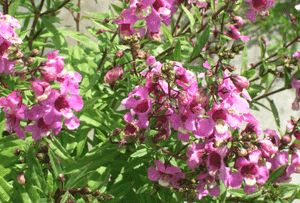
Angelonia, a favored perennial admired for its vivid blossoms and hardiness, flourishes with consistent pruning. Trimming should coincide with its vigorous growth phases in spring, summer, and autumn. Pinch off the ends to foster a denser form, and remove faded flower stalks to stimulate fresh blooms. After flowering, reduce the plant by one-third for revitalization. Proper pruning guarantees abundant flowering and preserves a pleasing structure. These methods not only improve its appearance but also strengthen the plant's well-being.
What Are the Benefits of Pruning Angelonia?
What Are the Benefits of Pruning Angelonia?
Trimming angelonia promotes abundant flowering and robust development while preserving its desired form, thereby enhancing its aesthetic appeal and fostering a healthier plant.
What Is the Best Time for Pruning Angelonia?
What Is the Best Time for Pruning Angelonia?
Pruning in late spring coincides with angelonia's post-frost growth surge, aiding quick recovery and strong development. Early summer pruning helps shape the plant, encouraging branching for a fuller look and increased bloom potential. Early fall pruning is good for removing faded flowers and boosting healthy growth before the plant slows down for winter. These specific times prevent stress on angelonia, optimize growth and flowering, and maintain plant health, while avoiding the risk of frost damage to new growth that late fall or winter pruning could cause.
What Tools Do I Need to Prune Angelonia?
Bypass Pruners
These are suitable for making clean cuts on angelonia's relatively thin stems, which are typically no thicker than a pencil. The bypass action, similar to scissors, minimizes damage to the remaining stem, promoting healthy regrowth.
Garden Shears
Ideal for shaping and trimming angelonia's bushier growth, garden shears allow for quick and efficient snipping of multiple stems at once. The longer blades make it easier to create an even surface when shearing the plant back, which can encourage bushier growth.
Handheld Pruning Snips
These are perfect for deadheading or cutting back smaller, more delicate angelonia stems, as they offer precision and control. The fine-pointed blades can access tighter spaces, making them ideal for selectively removing spent blooms and encouraging continuous flowering.
How to Prune Angelonia
Disinfect tools
Before starting, ensure all pruning tools are disinfected to prevent the spread of disease to angelonia.
Remove disease
Carefully trim off any diseased leaves from angelonia using sharp, disinfected scissors or pruners. Make clean cuts at the base of the affected leaves to avoid jagged edges that could attract pests.
Trim withered leaves
Locate withered or dead leaves on angelonia and snip them at the base where they meet the stem or soil line. Removing these helps direct the plant's energy to new growth.
Deadhead flowers
To encourage continued blooming, delicately deadhead withered flower spikes by cutting them back to just above a leaf node or a new flower bud.
Overall shape
Finally, evaluate the overall shape of angelonia and lightly trim back overgrown stems to maintain a compact, bushy appearance, which will promote more vigorous growth and better air circulation.
Common Pruning Mistakes with Angelonia
Overpruning
Removing too much growth at once can shock angelonia and impede its ability to flourish. Stick to trimming no more than one-third of the plant at a time.
Cutting too close
Cutting into the woody base of angelonia can damage the plant. Always leave several inches of stem when pruning to promote new growth.
Neglecting tools
Using dull or dirty pruning tools can cause jagged cuts and introduce disease. Clean and sharpen tools before use.
Ignoring shape
Pruning without considering the natural shape of angelonia can result in an unbalanced plant. Aim to maintain an even, rounded shape as you trim.
Common Pruning Tips for Angelonia
Selective trimming
Cut back leggy stems and spent flowers of angelonia to just above a set of leaves. This encourages bushier growth and more blooms.
Deadheading
Regularly remove spent blooms of angelonia to encourage continuous flowering throughout the season.
Thinning out
Thin out crowded stems to increase air circulation, reducing the risk of fungal diseases for angelonia.
Timing
Although not directly mentioning the best season, it's essential to prune at the right time in angelonia's growth cycle to avoid disrupting its blooming.



