How to Prune Dill?
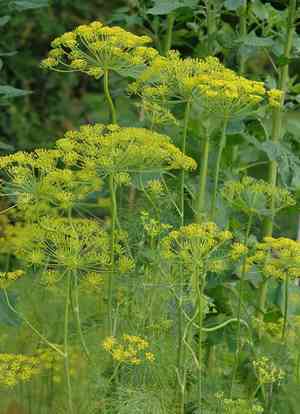
Dill, an aromatic herb characterized by its delicate foliage, needs only slight trimming to foster a dense habit. Pinching back the tips when the plants are juvenile and following the emergence of flower buds stimulates lateral development. Collect by severing near the main stalk. Perform pruning from early spring until late autumn for optimal outcomes. Consistent cutting deters excessive growth and premature flowering, thereby improving both quantity and taste.
What Are the Benefits of Pruning Dill?
What Are the Benefits of Pruning Dill?
Trimming dill promotes more robust, fuller development, helping it stay compact and well-proportioned. This practice encourages dill to grow more vigorously, ensuring a continuous supply of fresh leaves.
What Is the Best Time for Pruning Dill?
What Is the Best Time for Pruning Dill?
The specified periods align with dill's active growth phase, which begins with spring's warmer temperatures and extends into autumn. Pruning in early spring fosters strong new growth by removing old or dead foliage, improving air circulation, and lowering disease risk. Throughout the growing season, regular trimming helps maintain shape, manage size, and prevents dill from becoming too leggy or sparse. Pruning before winter is not recommended as it can hinder dill's ability to withstand cold, while stimulating new growth that is susceptible to frost damage. By following these seasonal guidelines, gardeners ensure dill's health and productivity.
What Tools Do I Need to Prune Dill?
Sharp Scissors or Snips
These are perfect for clean and accurate cuts on dill's delicate stems and leaves. Precise cutting helps minimize harm to the plant, which is crucial for its ongoing growth and production of foliage and seeds.
Gardening Gloves
Wearing gloves while trimming dill can shield the gardener's hands from irritation that might be caused by the plant's essential oils, and also provide a better grip on the tool being used.
Hand Pruners
For older or thicker stems, hand pruners guarantee a sharp, clean cut without causing unnecessary stress to dill. They are useful when the plant becomes denser and needs thinning.
How to Prune Dill
Step1: Examine for Yellow Leaves
Inspect dill for yellow leaves, which are often found at the lower part of the plant. Yellowing indicates either natural aging or possibly a lack of nutrients or water.
Step2: Remove Yellow Leaves
Carefully remove the yellow leaves using clean, sharp scissors or hand pruners. Make cuts close to the stem to avoid leaving stubs that could decay and cause disease issues.
Step3: Identify Withered Branches
Identify withered branches on dill, which may appear dried out and lifeless. These branches may be a result of past flowering or unfavorable growing conditions.
Step4: Prune Withered Branches
Prune withered branches at the base where they meet healthy tissue. Use clean, sharp pruning tools to make clean cuts without tearing the plant tissue.
Step5: Check for Excessive Growth
Inspect dill for excessive growth, which can occur in favorable growing conditions leading to an overly dense plant that may not allow sufficient air circulation.
Step6: Thin Out Dense Areas
Thin out dense areas by pruning back to a set of leaves or a branching point. This will encourage air flow and light penetration throughout the plant.
Step7: Trimming for Shape and Size
When trimming for shape or to control size, clip the stem just above a leaf node where new branches will sprout. This will encourage bushier growth if desired.
Step8: Post-Pruning Monitoring
Monitor dill after pruning for signs of stress or disease, and ensure it receives appropriate care, including water, light, and nutrients, to recover and continue healthy growth.
Post-Pruning Care for Dill
Post-Pruning Care for Dill
Immediately after trimming dill, ensure adequate watering to assist recovery. Maintain dill's environment with full sunlight, moderate humidity, and temperatures between 60-70°F. Apply a balanced liquid fertilizer to replenish nutrients and promote growth. Regularly inspect dill for yellowing or wilted leaves, indicating stress or infection, and respond with appropriate plant healthcare. By following these guidelines, dill can thrive post-pruning.
Common Pruning Mistakes with Dill
Overpruning: Excessive Removal Harms Plant Health
Overpruning can be detrimental to dill. Removing too much of the plant at once can stress the plant, reduce its vitality, and potentially lead to lower yields.
Improper Timing: Affecting Leaf Growth and Seed Head Formation
Pruning dill at the wrong developmental stage may limit leaf production, as pruning too early can impede growth, while too late can affect the formation of the seed heads desired for spice.
Incorrect Technique: Tearing Stems Increases Disease Risk
Using improper technique, such as tearing or ripping stems instead of making clean cuts, can damage dill and make the plant susceptible to disease.
Common Pruning Tips for Dill
Clean Cuts: Use Sharp Shears for Healthy Pruning
Use sharp and clean scissors or pruning shears to make precise cuts on dill, which will help prevent potential damage and disease.
Harvesting Method: Snip Outer Foliage to Stimulate New Growth
Prune dill to harvest leaves by snipping close to the stem, selecting from the outer foliage to encourage new growth from the center.
Encourage Bushiness: Pinch Central Stem for Denser Foliage
To promote a bushier plant, pinch out the central stem of young dill plants; this encourages branching and consequent denser foliage.



