How to Prune Snowdrop anemone?
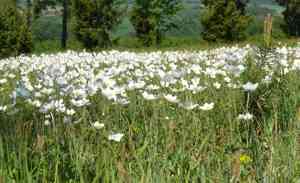
Native to forested areas and grasslands, Anemone sylvestris enhances gardens with its fragile white blossoms. Swiftly snip off spent flowers to encourage further flowering. Following the blooming period, eliminate any lifeless or ailing stalks to sustain the plant's robustness. The most effective time for trimming is subsequent to the spring flowering, and this practice can extend throughout summer and autumn to regulate its expansion. Trimming Anemone sylvestris not only fosters fresh development but also manages its proliferation, guaranteeing robust clusters that do not overshadow adjacent vegetation.
What Are the Benefits of Pruning Snowdrop Anemone?
What Are the Benefits of Pruning Snowdrop Anemone?
Trimming snowdrop anemone promotes abundant flowering, stimulates vigorous development, and helps maintain a compact, well-defined form. This specific care ensures a healthy plant with an appealing look.
What Is the Best Time for Pruning Snowdrop Anemone?
What Is the Best Time for Pruning Snowdrop Anemone?
Pruning snowdrop anemone in late spring, right after its flowering period, encourages robust growth and prevents the plant's energy from being spent on seed production. It also allows for shaping and removal of spent flowers, enhancing the plant's aesthetic. Avoiding fall pruning prevents new growth susceptible to winter frost. Pruning during the active growing season (spring and summer) also aids in more effective healing and recovery.
What Tools Do I Need to Prune Snowdrop Anemone?
Bypass Pruners
Perfect for making clean cuts on snowdrop anemone's delicate stems without crushing plant tissue, which encourages healthier regrowth.
Gardening Gloves
Protects hands from thorns and sharp edges while handling and trimming snowdrop anemone, ensuring safety during the process.
Pruning Saw
Useful for cutting back older, woodier stems if snowdrop anemone has grown unchecked, or if significant pruning is needed to manage its size and shape.
How to Prune Snowdrop Anemone
Inspect
Carefully examine snowdrop anemone for diseased leaves, withered leaves, and withered flowers that require trimming.
Disinfect
Sanitize pruning tools with isopropyl alcohol or a 10% bleach solution to prevent disease transmission.
Remove Diseased
Snip off any diseased leaves at the stem's base, being careful not to harm nearby healthy tissue.
Trim Withered Leaves
Trim withered leaves at the base of their stem, using clean cuts to promote efficient healing.
Deadhead Flowers
Carefully remove spent or withered flowers by cutting them back to just above a set of leaves or a new bud to encourage reblooming.
Common Pruning Mistakes with Snowdrop Anemone
Over-Pruning
Inexperienced gardeners might remove too much foliage from snowdrop anemone, which can weaken the plant and reduce its flowering potential.
Improper Tool Use
Using dull or dirty pruning tools can damage snowdrop anemone's stems, leading to disease and poor regrowth.
Pruning Healthy Blooms
Removing healthy flowers before they have finished blooming can prevent snowdrop anemone from seeding and spreading.
Ignoring Deadheading
Failing to deadhead, or remove spent blooms, can result in decreased flowering the following year as the plant focuses energy on seed production.
Common Pruning Tips for Snowdrop Anemone
Selective Thinning
Remove only the oldest and most crowded stems to improve air circulation and light penetration, which encourages new growth in snowdrop anemone.
Clean Cuts
Make clean cuts at a 45-degree angle just above a leaf node or a set of leaves to promote faster healing and prevent disease in snowdrop anemone.
Deadheading
Regularly remove spent blooms right after they fade to encourage more blooms and prevent self-seeding if not desired.
Post-Blooming Rejuvenation
After snowdrop anemone has finished blooming, cut back the foliage to promote fresh growth and maintain a compact, attractive shape.



