How to Prune Poppy anemone?
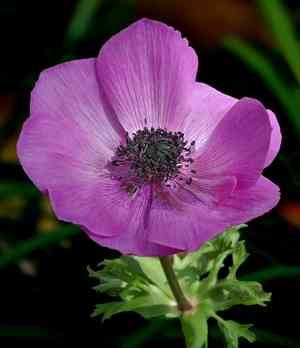
This enduring plant showcases vivid blossoms on slender stalks. For poppy anemone, removing faded flowers encourages additional flowering. Trim back the leaves following blooming to revitalize the plants. The perfect time for trimming is from the beginning of spring until late autumn, coinciding with periods of active development. Consistent trimming preserves well-being and improves the subsequent season's growth, guaranteeing abundant blooms. Refrain from excessive trimming to avert strain on poppy anemone.
What Are the Benefits of Pruning Poppy Anemone?
What Are the Benefits of Pruning Poppy Anemone?
Trimming poppy anemone encourages more robust development and abundant flowering. It also aids in preserving the plant's form, ensuring a neat garden appearance. Regular trimming benefits the plant's overall health and aesthetic appeal.
What Is the Best Time for Pruning Poppy Anemone?
What Is the Best Time for Pruning Poppy Anemone?
Pruning poppy anemone in early spring is advantageous as it occurs just before the growing season commences. This ensures that cuts made to the plant will stimulate new growth as the season progresses. It also helps to clear away any dead or diseased material from winter, providing a fresh start for poppy anemone's growth cycle. Late autumn is another suitable time for pruning, after the flowering period has concluded. This timing allows gardeners to remove spent blossoms and prepare poppy anemone for its dormant winter phase, reducing disease risk and plant stress. During both these seasons, the plant is not actively growing, which minimizes pruning's impact and supports a strong blooming period in the subsequent cycle.
What Tools Do I Need to Prune Poppy Anemone?
Bypass Pruners
Perfect for making clean, precise cuts on poppy anemone's stems without causing unnecessary harm to the plant tissues.
Gardening Shears
Useful for trimming off faded blooms and shaping poppy anemone, as they are designed for delicate work on flowers.
Gloves
Hand protection during poppy anemone pruning to prevent potential irritation from plant sap or minor cuts.
Garden Scissors
Convenient for deadheading and removing dead or diseased foliage from poppy anemone without disturbing nearby plants.
Pruning Snips
Especially effective for detailed work and reaching into dense poppy anemone foliage to snip away spent flowers and thin out crowded areas.
How to Prune Poppy Anemone
Step1: Timing for Pruning Post-Bloom
Wait for the appropriate time to prune poppy anemone, which is after it has finished blooming in spring or early summer. Pruning too soon may reduce flowering for that season.
Step2: Sanitizing Pruning Shears
Disinfect your pruning shears before beginning to prevent disease spread. Wipe the blades with rubbing alcohol or a bleach solution.
Step3: Identifying and Removing Spent Blooms
Begin by removing the dead flowers of poppy anemone. Identify the spent blooms, ensuring they are no longer vibrant and have started to wilt or brown.
Step4: Clean Cutting Above Healthy Leaves
Make your cut just above the first set of healthy leaves beneath the faded flower. Use sharp pruning shears and make a clean cut to avoid damaging the stem.
Step5: Deadheading for More Blooms
Continue to prune all faded flowers using the same method. This deadheading process encourages poppy anemone to produce more blooms and redirects energy away from seed formation.
Step6: Disease and Pest Inspection During Pruning
Inspect poppy anemone for any signs of disease or pest infestation as you prune. If any diseased material is found, remove and dispose of it properly to prevent spread.
Step7: Cleaning Shears After Pruning
Once all dead and faded flowers have been pruned, clean the pruning shears again to ensure they are ready for the next use.
Step8: Post-Pruning Watering and Mulching
Water poppy anemone if the soil is dry, and add a layer of mulch around the base to help retain moisture and suppress weeds.
Step9: Observing New Growth Post-Pruning
Monitor poppy anemone after pruning for new growth and additional blooms, providing care as needed based on local climate and soil conditions.
Post-Pruning Care for Poppy Anemone
Post-Pruning Care for Poppy Anemone
After pruning poppy anemone, promptly sanitize the cut area to prevent infection. Maintain moderate brightness, avoiding direct sun, to reduce stress. Ideal temperatures for recovery range from 60-65°F with consistent, mild humidity. A balanced, slow-release fertilizer supports growth but avoid over-fertilization which can harm poppy anemone. Monitor for wilted or discolored leaves indicative of distress, and apply fungicide if signs of fungal infection appear. Water to keep soil slightly moist but not soggy.
Common Pruning Mistakes with Poppy Anemone
Over-Pruning Weakens Plant
Trimming too aggressively, removing too much of poppy anemone's foliage and stems, which can weaken the plant or affect its natural shape.
Unclean or Dull Pruning Tools
Not using clean, sharp tools for pruning poppy anemone, which can lead to jagged cuts that make poppy anemone susceptible to disease and pests.
Neglecting Dead or Diseased Stems
Ignoring dead or diseased stems during pruning, which can inhibit new growth and potentially spread disease throughout the plant.
Common Pruning Tips for Poppy Anemone
Prune Spent Flowers for Reblooming
After flowering, cut back the spent flower stems of poppy anemone to just above a set of leaves or basal growth to encourage a tidy appearance and possibly a second bloom.
Deadhead to Boost Blooming
Regularly remove any wilted or dead flowers from poppy anemone, which is known as deadheading, to promote more blooms and prevent the plant from using its energy to produce seeds.
Thin Stems for Airflow and Light
Thin out overcrowded stems by selectively pruning at the base to improve air circulation and light penetration, which are essential for the health and vigour of poppy anemone.



