How to Prune Splitbeard Bluestem?
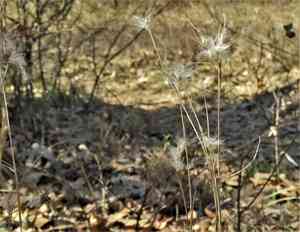
A perennial grass indigenous to the region, cherished for its airy seed plumes, splitbeard Bluestem flourishes with little upkeep. Trim in late winter or early spring, prior to the emergence of new foliage, by reducing the entire specimen to approximately 2-3 inches from the soil surface. This schedule fosters robust new stems and preserves a neat appearance. Trimming also revitalizes splitbeard Bluestem, boosting its strength and development, and aids in preventing unwanted self-seeding if the spread of seeds is an issue.
What Are the Benefits of Pruning Splitbeard Bluestem?
What Are the Benefits of Pruning Splitbeard Bluestem?
Trimming splitbeard Bluestem promotes robust development and maintains its desired form, ensuring a strong, visually appealing look. Regular cutting back helps revitalize the plant and keep it thriving.
What Is the Best Time for Pruning Splitbeard Bluestem?
What Is the Best Time for Pruning Splitbeard Bluestem?
Late winter and early spring are optimal for trimming splitbeard Bluestem, as this period aligns with the end of its dormant phase but precedes new growth. Pruning during this window minimizes stress on splitbeard Bluestem and allows for the removal of any winter-damaged or dead foliage, fostering healthier growth. It also enables gardeners to shape the plant and manage its size effectively, as the absence of leaves makes its structure more visible. Additionally, with the plant's energy reserves concentrated in its roots, splitbeard Bluestem will quickly recover from pruning and is likely to exhibit vigorous growth in the upcoming season.
What Tools Do I Need to Prune Splitbeard Bluestem?
Hand Pruners
Perfect for cutting through the slender stems of splitbeard Bluestem, hand pruners should be sharp to ensure clean cuts that won't harm the plant's tissues.
Shears
Splitbeard Bluestem can benefit from shaping with shears, especially for trimming old foliage and maintaining a neat clump shape.
Gloves
Wearing gloves protects hands from sharp edges when handling splitbeard Bluestem during cutting or shaping.
Lopper
For thicker stems or more extensive trimming of splitbeard Bluestem, a lopper might be necessary to provide the leverage needed for clean cuts.
How to Prune Splitbeard Bluestem
Clean tools
Ensure all trimming tools are cleaned and sterilized to prevent the spread of disease to splitbeard Bluestem.
Identify
Inspect splitbeard Bluestem carefully to identify any diseased or withered leaves that require trimming.
Sanitize
Before making cuts, dip the pruning shears in a solution of 1 part bleach to 9 parts water to disinfect them, especially when moving between plants or trimming diseased material.
Trim diseased leaves
Using sharp pruning shears, carefully remove diseased leaves by cutting at the base of the leaf where it meets the stem or the next healthy part. Ensure not to tear or damage the stem.
Remove withered leaves
Trim away withered leaves, following the same method as for diseased leaves, to maintain the health and aesthetic appearance of splitbeard Bluestem.
Common Pruning Mistakes with Splitbeard Bluestem
Over pruning
Excessive removal of foliage can stress splitbeard Bluestem, lead to a reduction in energy reserves, and weaken the plant. It can also cause a sparse appearance rather than the desired natural, full look.
Imprecise cuts
Making cuts that are jagged or non-angled can lead to increased susceptibility to disease and damage from pests. Clean, angled cuts are crucial for the health of splitbeard Bluestem.
Removal of healthy growth
Novice gardeners often mistakenly remove healthy stems or foliage in an attempt to shape splitbeard Bluestem, which is unnecessary and can reduce the plant's vigor.
Neglecting to sharpen tools
Using dull pruning tools can result in rough cuts that damage splitbeard Bluestem and complicate the healing process, exposing the plant to potential diseases.
Pruning at the base
Cutting splitbeard Bluestem too close to the ground can limit its ability to regrow, as this species typically benefits from some residual stem structure to support new growth.
Common Pruning Tips for Splitbeard Bluestem
Moderate pruning
Limit the removal to one-third of the overall plant to ensure splitbeard Bluestem retains enough foliage to photosynthesize effectively and support regrowth.
Clean cuts
Make precise, clean cuts with sharp tools to minimize damage and promote quicker healing for splitbeard Bluestem. An angled cut is usually recommended for better water runoff and to prevent disease.
Target dead growth
Focus on removing dead stems or foliage to maintain the health and appearance of splitbeard Bluestem, without impacting the plantâs natural shape and growth habit.
Regularly sharpen tools
Keep pruning tools sharp to make the task easier and safer for both the gardener and splitbeard Bluestem, resulting in healthy plants that are less prone to disease.
Gradual pruning
For an established splitbeard Bluestem, perform pruning actions gradually over the season to shape the plant without causing shock due to sudden extensive change.



