How to Prune Pineapple?
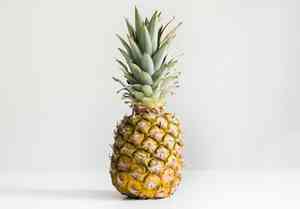
Distinguished by its pointed foliage and succulent, exotic produce, the pineapple plant needs very little trimming. Eliminate withered foliage and ripe fruit to stimulate development. The ideal period for trimming is in the initial part of summer, aligning with its inherent growth pattern. Pruning improves air circulation and light exposure, which are crucial for the plant's well-being and the caliber of its fruit. Restrict trimming to essential upkeep for abundant harvests and extended longevity. Make sure cuts are precise to avert illness.
What Are the Benefits of Pruning Pineapple?
What Are the Benefits of Pruning Pineapple?
Trimming pineapple encourages more vigorous development, resulting in higher yields. It aids in maintaining a manageable plant form, ensuring energy is directed toward producing an abundant harvest instead of excessive foliage.
What Is the Best Time for Pruning Pineapple?
What Is the Best Time for Pruning Pineapple?
Early summer is ideal for trimming pineapple as it follows the primary fruiting period. Pruning at this time allows for the removal of any dead or diseased leaves and promotes new growth, crucial for the subsequent fruit production cycle. It helps maintain the health and vitality of pineapple, ensuring improved air circulation and sunlight penetration, which are vital as pineapple enters a new growth phase. This timing also avoids disrupting the flowering phase, which typically occurs when temperatures begin to rise, and therefore, does not negatively impact the plant's capacity to produce fruit.
What Tools Do I Need to Prune Pineapple?
Sharp Knife
A keen, clean blade is necessary to trim pineapple, enabling precise cuts to remove dead foliage or harvest the fruit without harming the plant.
Secateurs
Handheld pruners are useful for trimming smaller, softer parts of pineapple, ensuring a clean cut that fosters healthy regrowth.
Gloves
Wearing thick hand protection is important when handling pineapple to shield hands from the sharp edges of the leaves.
Long-Sleeved Clothing
To protect skin from the spiky leaves, it's advisable to wear long-sleeved attire while pruning pineapple.
Garden Shears
For tougher or woodier sections of pineapple, garden shears might be required to make clean cuts without applying excessive force.
How to Prune Pineapple
Step1: Assess Plant Health and Pruning Tools
Evaluate pineapple's condition before beginning to prune. Check for dead leaves, suckers (small shoots emerging from the soil or base of the plant), and any diseased sections. Ensure you have sharp, clean pruning shears or a knife to prevent plant injury and disease spread.
Step2: Remove Dead Leaves
Remove dead leaves from pineapple by gently pulling them off if they detach easily or by cutting them at the base where they meet the main stalk. Cut as close to the stalk as possible without causing damage.
Step3: Prune Suckers at Base
Identify suckers, which compete for nutrients and can impede pineapple's growth. Prune suckers by cutting them at their base, flush with the main stem or soil line. Ensure not to harm the main stalk or root system while removing them.
Step4: Cut Out Diseased Parts
Inspect pineapple for any yellowed, brown, or mushy leaves that may indicate illness. Remove these diseased parts by cutting them well below the affected area to prevent the disease from spreading. Dispose of diseased plant material safely and do not compost it.
Step5: Disinfect Pruning Tools
After pruning, clean the tools used with a sanitizing solution to prevent the spread of any pathogens to other plants or future cuts on pineapple.
Step6: Monitor Plant Recovery Post-Pruning
Monitor pineapple after pruning for signs of improved health like new growth. Water and fertilize pineapple as needed, following appropriate care guidelines to support its recovery and growth post-pruning.
Post-Pruning Care for Pineapple
Post-Pruning Care for Pineapple
Following pineapple pruning, ensure immediate post-pruning care by maintaining optimal environmental conditions; provide bright, indirect light, high humidity (60-70%), and warm temperatures (65-95°F). Monitor soil moisture—water when the top inch is dry. Apply a balanced fertilizer to support recovery and growth. Regularly check for signs of stress or infection, such as wilting or discolored leaves, and take appropriate actions, like removing affected areas or applying fungicide if needed.
Common Pruning Mistakes with Pineapple
Avoid Pruning Healthy Leaves
Trimming healthy leaves which are essential for photosynthesis and overall health. Removing them can stress pineapple and diminish its vigor.
Don't Cut Plant Crown Prematurely
Cutting off the top or 'crown' of pineapple too soon. The crown is typically used for propagation and should only be removed if you're planning to propagate a new plant.
Excessive Pruning Harms Plant Health
Pruning too aggressively which can lead to the plant being more vulnerable to diseases and pests, as well as potentially harming the structural integrity of pineapple.
Use Clean, Sharp Pruning Tools
Not using clean, sharp tools for pruning which can cause damage to the tissues of pineapple and may introduce disease.
Common Pruning Tips for Pineapple
Sharp and Sterilized Cutting Tools
Utilize sharp, sterilized pruning shears or a knife to make clean cuts, reducing infection risk and ensuring rapid healing.
Remove Dead or Diseased Leaves Immediately
Trim away dead or diseased leaves as they appear, to help maintain the health of pineapple and prevent disease spread.
Prune After Fruit Harvest for Re-growth
After fruit harvest, remove the remaining fruit stalk to stimulate the growth of new shoots which may lead to additional fruiting.
Proper Crown Cutting for Propagation
If propagating, cut the crown with a small portion of fruit attached, allowing it to dry for a day before planting to increase the chances of successful rooting.
Keep Some Suckers for Future Fruiting
When removing suckers and slips to encourage a larger central fruit, leave one or two suckers on the plant to grow and produce the next generation of fruit.



