How to Prune Eastern bluestar?
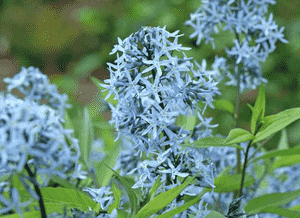
This perennial herb is recognized for its foliage resembling willow and its groupings of azure, star-shaped blossoms. Trim eastern bluestar during early spring to encourage denser development or following its bloom period to preserve its structure. Removing spent flowers stimulates additional blooming, while a late summer cutback can rejuvenate the specimen. Refrain from severe trimming, as eastern bluestar thrives with its inherent shape, which also aids indigenous fauna. Strategic pruning improves the plant's vitality and visual appeal.
Advantages of Trimming Eastern Bluestar
Advantages of Trimming Eastern Bluestar
Trimming eastern bluestar promotes robust development and helps maintain its desired form, ensuring the plant remains visually appealing and thriving.
Optimal Time for Trimming Eastern Bluestar
Optimal Time for Trimming Eastern Bluestar
Early spring is perfect for trimming eastern bluestar as the plant is just exiting dormancy, which minimizes stress and allows for rapid healing of cuts as growth commences. This timing also prevents the removal of flower buds that form later in spring. Trimming in late summer is also beneficial, allowing new growth stimulated by pruning to harden before winter, reducing frost damage risk. This timing follows the plant's peak flowering period, typically late spring to early summer, preserving its ornamental value during bloom. Trimming eastern bluestar after flowering helps maintain its shape and promotes denser foliage without sacrificing next season's blooms.
Tools Required for Trimming Eastern Bluestar
Hand Pruners
These are crucial for making precise cuts on eastern bluestar's stems. Given eastern bluestar's relatively slender stems, hand pruners are sufficient. Opt for bypass pruners over anvil types for cleaner cuts, which aid in disease prevention and quick recovery.
Pruning Saw
For older eastern bluestar plants with thicker, woodier stems, a pruning saw might be necessary. This tool ensures larger stems can be removed without harming the plant.
Garden Scissors
These are useful for deadheading eastern bluestar and for trimming smaller, delicate stems that hand pruners might be too large for. They offer precision for shaping and encouraging new growth.
Pruning Gloves
To safeguard your hands from scratches and ensure a firm grip on tools when trimming eastern bluestar, wearing durable gloves is recommended.
Loppers
If eastern bluestar has branches too thick for hand pruners but too thin for a pruning saw, loppers provide the necessary leverage for a clean cut without hand strain.
How to Trim Eastern Bluestar
Step1: Timing after Blooming
Wait for the appropriate time of year to trim eastern bluestar, typically after flowering in late spring or early summer. Trimming at this time allows you to remove spent flowers and prevent the plant from expending energy on seed pods, redirecting growth to foliage and roots.
Step2: Tool Preparation and Sanitization
Prepare your trimming tools. Ensure your pruning shears are sharp and clean. Disinfect them if they've been used on other plants to prevent disease transmission to eastern bluestar.
Step3: Dead Flower Removal
Begin by removing the dead flowers of eastern bluestar. Carefully cut each spent flower stalk as close to its base as possible without harming surrounding foliage or emerging buds.
Step4: Old Stem Identification
Next, identify old stems on eastern bluestar that are no longer producing vigorous growth or are damaged. These can be found at the plant's base and may appear woody and less green than newer, more vibrant stems.
Step5: Old Stems Removal
Trim the old stems back to ground level, making a slight angle cut to promote drainage away from the cut end. This helps prevent rot and disease in eastern bluestar.
Step6: Density Reduction and Thinning
Thin out the plant if it becomes too dense. Cut selected stems at the base to improve air circulation, which can help reduce disease risk in eastern bluestar.
Step7: Post-Trimming Cleanup
After trimming, clear any debris around eastern bluestar to further reduce disease potential and keep the area tidy.
Step8: Post-Trimming Watering
Water eastern bluestar deeply after trimming to encourage new growth. However, be careful not to overwater, as eastern bluestar is drought-tolerant, and excessive moisture can lead to root rot.
Step9: Growth Monitoring and Health Checks
Monitor eastern bluestar for signs of new growth and health issues. Trimming can stimulate new growth, so it's crucial to ensure the plant remains healthy and well-cared for afterward.
Aftercare for Eastern Bluestar Post-Trimming
Aftercare for Eastern Bluestar Post-Trimming
Immediately after trimming eastern bluestar, ensure cuts are clean to aid healing. Place eastern bluestar in partially shaded areas to prevent stress, maintaining moderate humidity and avoiding extreme temperature shifts. Following trimming, apply a balanced fertilizer to replenish nutrients and support strong growth. Regularly check eastern bluestar for signs of distress, such as wilted leaves or discoloration, indicating disease or pests. Respond promptly to adverse symptoms with appropriate treatments to maintain plant vitality.
Common Trimming Errors with Eastern Bluestar
Excessive Trimming Beyond One-Third of Plant
Trimming eastern bluestar too severely, removing over a third of the plant at once, can stress it, leading to reduced vigor and flowering.
Cutting into Woody Base of Stems
Cutting into the woody base of older eastern bluestar stems, which may not regrow easily and could harm the plant's long-term health.
Failure to Remove Spent Blooms or Seed Pods
Neglecting to remove spent blooms or seed pods can prevent eastern bluestar from channeling energy into new growth and diminish next season's flowering potential.
Overlooking Diseased or Damaged Stems
Ignoring diseased or damaged stems during trimming can lead to the spread of disease and reduce the overall health of eastern bluestar.
Using Dull or Dirty Trimming Tools
Using dull or dirty trimming tools can result in imprecise cuts and introduce pathogens to eastern bluestar.
Helpful Trimming Advice for Eastern Bluestar
Clean Cuts Above Leaves or Buds for Branching
Make clean cuts just above a set of leaves or a bud to encourage eastern bluestar to branch out, becoming fuller with more potential blooms.
Deadheading Faded Flowers for Tidiness and Reblooming
After flowering, deadhead eastern bluestar by removing faded flowers to promote a neat appearance and potentially encourage a second bloom.
Thinning Overcrowded Areas for Healthier Plants
Thin out crowded areas by selectively trimming stems to improve air circulation and light penetration, which can result in healthier eastern bluestar plants.
Employing Sharp, Sterile Pruning Shears to Minimize Infection
Use sharp, sterile pruning shears to ensure clean cuts and reduce the risk of infection to eastern bluestar.
Trimming Half the Stem Height for Shape and Growth
In late winter or early spring, cut back eastern bluestar stems by about half their height if the plant appears leggy or overgrown; this encourages fresh growth and maintains an attractive shape.



