How to Prune Fringed Bluestar?
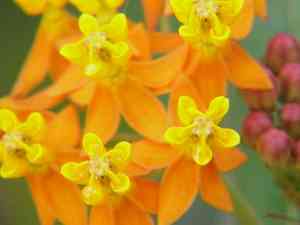
Distinguished by its slender foliage and star-shaped blue blossoms, Amsonia ciliata thrives with consistent trimming. The perfect periods for pruning are spring and summer for contouring, and autumn for upkeep. Trim back the leaves following blooming to foster denser development, and remove spent flowers frequently to stimulate more blossoms. Pruning not only maintains Amsonia ciliata's compact form but also encourages robust flowering and peak plant well-being. Be cautious not to over-prune, as this can cause stress to Amsonia ciliata and diminish its resilience.
What Are the Benefits of Pruning Fringed Bluestar?
What Are the Benefits of Pruning Fringed Bluestar?
Trimming fringed Bluestar promotes more robust, abundant blooms and a vigorous growth pattern, while also preserving its desired form and dimensions within the landscape.
What Is the Best Time for Pruning Fringed Bluestar?
What Is the Best Time for Pruning Fringed Bluestar?
Pruning in late spring or early summer aligns with fringed Bluestar's period after flowering. This timing allows for the removal of spent blossoms, stimulates new development, and maintains the plant's shape without hindering future flower production. As fringed Bluestar typically blooms in spring, pruning soon after this phase provides ample recovery time and encourages new bud formation during the growing season. Autumn pruning is not advised, as it can lead to new growth that may not harden off before the initial frost, potentially harming the plant.
What Tools Do I Need to Prune Fringed Bluestar?
Bypass Pruners
Perfect for making precise cuts on fringed Bluestar, bypass pruners allow the gardener to shape the plant and remove dead or damaged stems without crushing delicate tissues.
Gardening Gloves
To shield hands from thorns and rough stems while pruning fringed Bluestar, gloves are essential. They also offer a better grip on the tools.
Handheld Pruning Saws
For more mature fringed Bluestar specimens with thicker stems, a small handheld pruning saw can be utilized to cut through woodier parts without stressing the plant.
Pruning Shears
Pruning shears are suitable for snipping softer stems and foliage to encourage bushier growth or to maintain the desired shape of fringed Bluestar.
Long-Handled Loppers
When trimming hard-to-reach areas or for extra leverage when cutting thicker branches, long-handled loppers will be beneficial for fringed Bluestar.
How to Prune Fringed Bluestar
Clean tools
Before beginning, ensure pruning shears are clean and sharp to prevent disease transmission and achieve clean cuts.
Remove diseased
Carefully inspect fringed Bluestar for signs of disease, focusing on leaves showing distress or infection, and gently remove them at the base without harming adjacent healthy tissues.
Trim withered leaves
Identify and trim any withered leaves that lack vibrancy, cutting them back to just above a healthy leaf or the plant's base to promote healthy growth and improve air circulation.
Deadhead flowers
Deadhead spent flowers by cutting the withered flower stems back to just above the first healthy set of leaves to encourage new blooms and maintain an attractive shape.
Clean up
Properly dispose of all removed material, away from fringed Bluestar, to prevent the potential return of pests or disease, and clean the tools once more to conclude the pruning session.
Common Pruning Mistakes with Fringed Bluestar
Overpruning
Removing excessive foliage can stress fringed Bluestar, leading to reduced vigor and sparse blossoms.
Blunt tools
Using dull pruning shears can result in jagged cuts that are more vulnerable to disease and pests.
Improper cuts
Cutting too close to the bud or leaving a long stub can hinder the healing process and impact future growth.
Pruning for size alone
Focusing solely on reducing height or width without considering the plant's natural shape can lead to an unnatural appearance and harm its health.
Neglecting to remove dead material
Failing to clear away dead stems and foliage can invite disease and pests while detracting from the plantâs aesthetic.
Pruning at random
Randomly snipping branches without a plan can result in poor plant structure and can negatively affect fringed Bluestar's flowering potential.
Common Pruning Tips for Fringed Bluestar
Selective pruning
Thin out older stems and overcrowded areas to promote air circulation and allow light to reach inner foliage, encouraging fuller growth.
Shaping
Prune fringed Bluestar to maintain its natural shape, enhancing its ornamental value while fostering healthy development.
Clean cuts
Make clean cuts at a slanting angle just above a set of leaves or nodes to facilitate quick healing and reduce the risk of disease.
Sanitized tools
Always use clean, sharp pruning shears to prevent the spread of disease between plants during pruning.
Deadheading
Remove spent flowers to encourage reblooming and prevent the plant from spending energy on seed production.
Health maintenance
Regularly inspect for and prune out any dead, diseased, or damaged stems to keep fringed Bluestar healthy and to prevent issues from spreading.



