How to Prune Konjac?
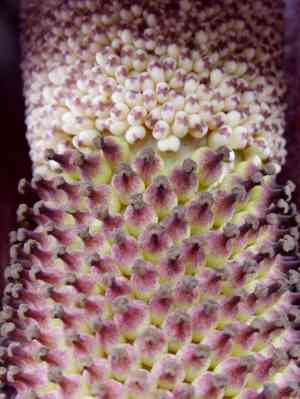
Konjac, a perennial plant characterized by a solitary, substantial leaf, needs very little trimming. In spring or summer, take off any discolored or yellowed foliage to improve its appearance and overall well-being. During its autumn growth phase, restrict any cutting back. Thoughtful pruning can help preserve the plant's form and enhance air movement, thereby lowering the chance of illness. Always use sanitized implements to avoid contamination. Trimming encourages vigorous development by directing energy towards the formation of sound tissues.
What Are the Benefits of Pruning Konjac?
What Are the Benefits of Pruning Konjac?
Trimming konjac promotes more vigorous development by redirecting energy to new shoots, enhances appearance and size control, and can boost blooms during flowering stages.
What Is the Best Time for Pruning Konjac?
What Is the Best Time for Pruning Konjac?
The optimal period for pruning konjac is late winter to early spring, as it is typically dormant then. Pruning during dormancy can stimulate healthy growth as temperatures rise. It's also easier to discern the plant's structure without leaves, allowing for more accurate cuts. Furthermore, cuts heal quicker when made before the new growing season, lowering the risk of disease and plant stress. Avoid pruning in late summer or fall, as new growth might not have sufficient time to harden off before colder weather, making the plant more vulnerable to winter damage.
What Tools Do I Need to Prune Konjac?
Sharp Bypass Pruners
Perfect for making clean cuts through fleshy stems without crushing plant tissues. Konjac may possess thick stems that require precise cuts for proper healing and infection prevention.
Long-handled Loppers
Useful for reaching into konjac's foliage without harming surrounding leaves or stems. Their extended handles provide leverage and simplify cutting through thicker growth.
Garden Knife
A versatile implement that can be used to precisely remove any dead or diseased tissue from konjac, which is crucial for maintaining the plant's health.
Gloves
Protective handwear is essential when pruning konjac to prevent potential skin irritation from sap contact, as well as to guard against sharp edges during the pruning process.
How to Prune Konjac
Disinfect tools
Before beginning, ensure all pruning implements are sanitized to prevent the spread of illness to konjac.
Remove disease
Carefully inspect konjac for diseased leaves. Using your sterilized pruning shears, snip away any leaves exhibiting signs of disease, cutting at the stem's base to prevent further infection.
Trim withered leaves
Locate any shriveled leaves on konjac. Gently snip them at the base where the leaf meets the stalk, avoiding harm to the plant's healthy sections.
Prune withered flower
After konjac has flowered and the bloom withers, cut back the spent flower stalk as close to the base as possible without damaging the corm or the emerging leaf.
Clean up
Remove all trimmed material from around konjac to deter pests and diseases, and to maintain a neat growing area.
Common Pruning Mistakes with Konjac
Overpruning
Removing an excessive amount of konjac's foliage or tuber can be detrimental to its well-being. Konjac stores energy in its large tuber, so excessive trimming can weaken the plant.
Pruning active growth
Cutting back konjac while it is actively developing can disrupt its natural growth cycle and may lead to poor plant health or reduced vigor.
Improper tool use
Using dull or unclean pruning tools can cause damage to konjac's tissue, leading to tears or an increased risk of disease and pest infestation.
Disregarding plant cycle
Failing to comprehend konjac's growth cycle when pruning can cause harm. Konjac has a dormant period after its foliage dies back, which should be considered during pruning.
Common Pruning Tips for Konjac
Clean equipment
Ensure pruning tools are clean and sharp to make precise cuts without damaging konjac's tissue.
Post-bloom care
After konjac blooms, wait until the foliage begins to yellow and naturally die back before pruning the spent flower stalk and foliage down to the soil level.
Tuber care
Be careful when handling konjac's tuber. Only remove damaged or rotting parts, and avoid cutting into healthy tissue.
Environmental awareness
Before pruning, assess konjac's overall health and environment to ensure it is not stressed from factors like pests, disease, or insufficient light, which could impact its recovery post-pruning.



