How to Prune Large bullwort?
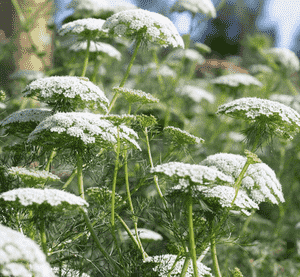
Distinguished by its intricate, airy blossoms and fine, fern-like leaves, large bullwort flourishes with judicious trimming. To encourage robust development and abundant flowering, remove spent blooms and shorten elongated stalks. Perform pruning on large bullwort bi-annually: once in early spring to eliminate deceased or compromised sections, and again in late autumn to sculpt and ready it for the colder months. This practice improves air movement, deters ailments, and fosters thicker foliage, establishing it as a vital component of large bullwort's upkeep.
Advantages of Trimming Large Bullwort
Advantages of Trimming Large Bullwort
Trimming large bullwort promotes robust development and maintains its form. It specifically enhances light and air movement, vital for the plant's vitality and full development, while shaping ensures its aesthetic appeal.
Optimal Time for Trimming Large Bullwort
Optimal Time for Trimming Large Bullwort
Trimming large bullwort in early spring is beneficial as it prepares the plant for a vigorous growth season, encouraging healthy new shoots, and preserving its desired shape. This timing aligns with the plant's dormant phase, ensuring quick wound healing without hindering growth or bloom potential. Late fall trimming, after flowering, allows for the removal of spent stems and helps prevent disease by eliminating potential overwintering sites for pests. This period is ideal as it avoids cutting back the plant during its active growth phase, which could negatively impact flower production and overall health.
Tools Required for Trimming Large Bullwort
Hand Pruners
Perfect for making precise cuts on large bullwort's stems. Opt for bypass pruners over anvil types to avoid crushing the plant's delicate stems.
Garden Scissors
Suitable for detailed trimming of large bullwort's smaller, more intricate branches that are too fine for hand pruners.
Pruning Saw
Crucial for cutting through thicker stems of large bullwort that hand pruners cannot manage effectively without harming the plant or the tool.
Shears
Useful for shaping large bullwort and cutting multiple thin stems at once for a more refined appearance.
Gloves
Essential for protecting hands from scratches and irritations when working with large bullwort, as it can have fine, hard-to-see branches.
How to Trim Large Bullwort
Step1: Tool Preparation
Gather necessary trimming tools such as sharp, sanitized pruning shears or scissors, and gloves to protect your hands.
Step2: Dead Stem Identification
Identify dead stems on large bullwort by looking for stems that are brown, brittle, and show no signs of green growth or life.
Step3: Dead Stem Removal
Trim the dead stems as close to the base of large bullwort as possible, making clean cuts to avoid tearing that can lead to further damage or disease.
Step4: Disease Inspection
Examine large bullwort for any indications of diseased foliage, which may include unusual spots, colors, or decay.
Step5: Diseased Foliage Removal
Carefully remove diseased foliage by cutting it at the base of the leaf stem to remove it completely from large bullwort, and dispose of it properly to prevent the spread of disease.
Step6: Spent Flower Locating
Locate old flowers on large bullwort that have finished blooming and are starting to fade or wilt.
Step7: Flower Deadheading
Deadhead the old flowers by making precise cuts just above the first set of healthy leaves below the spent flower. This encourages large bullwort to produce new flowers and maintain a neat appearance.
Step8: Shape and Trim
While shaping large bullwort, consider the plant's natural growth habit and avoid over-trimming. Aim for a shape that promotes good air circulation and light penetration.
Step9: Tool Cleaning
After trimming, clean your tools to prevent the spread of any potential pathogens to other plants.
Step10: Growth Monitoring
Monitor large bullwort for new growth, and conduct maintenance trimming as necessary to remove any further dead or diseased material that appears over time.
Post-Trimming Care for Large Bullwort
Post-Trimming Care for Large Bullwort
Following trimming, place large bullwort in partial sunlight; excessive direct light may stress recovering foliage. Maintain moderate humidity and avoid temperature extremes to facilitate healing. Apply a balanced fertilizer to replenish nutrients and promote new growth. Regularly inspect large bullwort for signs of distress, such as discoloration or wilt, indicating potential infection or inadequate care. Adjust environmental conditions and treatment as necessary to ensure a healthy comeback.
Common Trimming Errors with Large Bullwort
Excessive Trimming Ignoring Plant's Natural Shape
Ignoring the plant's growth habit can result in excessive trimming, which may hinder the natural shape and vigor of large bullwort.
Incorrect Old Wood Cutting Hinders Flowering
Cutting into old, woody stems without leaving any new growth can lead to reduced flowering, as large bullwort blooms on new growth.
Dull or Dirty Tools Cause Stem Damage
Using dull or dirty trimming tools can cause damage to the stems of large bullwort, introducing disease or leading to an untidy cut.
Even-Stem Trimming Leads to Unnatural Look
Trimming all stems to the same height can result in an unnatural appearance and may not promote the best growth pattern for large bullwort.
Neglecting Dead Foliage Spreads Disease
Failing to remove dead or diseased foliage promptly can allow problems to spread, negatively impacting the overall health of large bullwort.
Common Trimming Advice for Large Bullwort
Sharp, Clean Shears for Healthy Cuts
Use sharp, clean trimming shears to make precise cuts on large bullwort, which will help prevent disease and promote quicker healing.
Thin Stems at Base for Air and Light
Thin out crowded areas by strategically removing some stems at their base to improve air circulation and light penetration, which is essential for the health and flowering of large bullwort.
Trim Above Nodes for Flowering and Shape
Trim large bullwort right above a leaf node or a branching point to encourage the production of new flowering stems and maintain an aesthetically pleasing shape.
Deadhead Spent Flowers for More Blooms
Regularly deadhead spent flowers to prompt large bullwort to produce more blooms and extend the flowering period.
Regular Health Checks for Clean Plants
Monitor the overall health of large bullwort regularly while trimming; remove any yellowed or damaged leaves to maintain a clean and disease-free plant.



