How to Prune Low serviceberry?
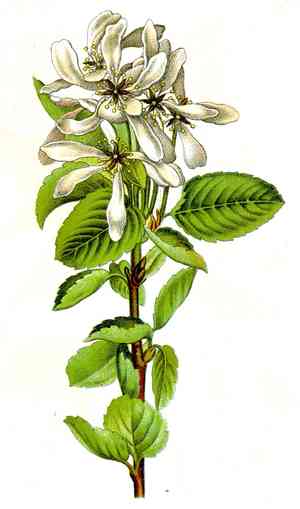
Perfect for confined garden spaces, dwarf serviceberry displays groupings of white blossoms succeeded by palatable fruits. Trim dwarf serviceberry subsequent to blooming in late spring or early summer to preserve its form and foster robust development. Reduce older branches and eliminate any lifeless, injured, or ailing timber. This procedure stimulates fresh development, boosts air circulation, and augments fruit yield. It is vital to refrain from late-season trimming, which might provoke new growths susceptible to frost harm.
What Are the Benefits of Pruning Low Serviceberry?
What Are the Benefits of Pruning Low Serviceberry?
Trimming low serviceberry promotes more abundant blossoms and aids in preventing pest infestations and diseases by eliminating old or weak branches, fostering a stronger, healthier plant.
What Is the Best Time for Pruning Low Serviceberry?
What Is the Best Time for Pruning Low Serviceberry?
Trimming low serviceberry in late spring or early summer is advisable as it coincides with the period after flowering, ensuring minimal disruption to the blooming cycle. This timing is ideal because it allows gardeners to remove any spent flowers, leading to more robust growth and improved fruit yield. Furthermore, pruning during this window helps low serviceberry recover quickly, as the plant's energy is directed towards new growth during this active phase. These seasons also offer drier conditions, which can lessen the risk of disease infection at the pruning sites. Since low serviceberry flowers on old wood, late spring or early summer pruning ensures that buds for the subsequent year's flowers are not removed.
What Tools Do I Need to Prune Low Serviceberry?
Hand Pruners
Perfect for making precise cuts on young wood and slender branches of low serviceberry, minimizing harm to the plant's tissues.
Loppers
Most suitable for cutting through thicker branches of low serviceberry, typically up to 1 1/2 inches in diameter, offering greater leverage and reach.
Pruning Saws
Essential for removing mature branches and limbs exceeding 1 1/2 inches in diameter, featuring a blade that cuts on both the push and pull strokes for efficiency.
Pole Pruners
Useful for reaching higher branches of low serviceberry without requiring a ladder, enhancing safety during pruning.
Hedge Shears
Appropriate for shaping and trimming hedges of low serviceberry if cultivated as a hedge or for formal appearances.
How to Prune Low Serviceberry
Clean tools
Before beginning, sterilize your pruning tools to prevent the spread of disease. Clean cuts help low serviceberry heal faster and remain healthy.
Remove diseased materials
Eliminate any diseased leaves and branches by cutting them back to healthy tissue. Ensure proper disposal to avoid contamination.
Eliminate dead materials
Snip off dead branches and withered leaves. Make the cuts at a slight angle just above a bud facing the outside of low serviceberry, which encourages outward growth.
Prune flowers
Trim faded flowers to encourage low serviceberry to direct energy towards growth and the production of new blooms in the future.
Control growth
Thin out excessive growth branches to improve air circulation and light penetration, crucial for low serviceberry's overall health and fruit production.
Common Pruning Mistakes with Low Serviceberry
Over pruning
Removing too much foliage can stress low serviceberry, leading to reduced flowering and potentially harming the plant's health.
Improper cut locations
Cutting either too close or too far from the buds can hinder low serviceberry's growth. Incorrect cut placement instead of angling cuts can lead to disease and dieback.
Using dull tools
Dull pruning tools can cause jagged cuts, making low serviceberry more susceptible to pests and diseases.
Common Pruning Tips for Low Serviceberry
Sanitizing tools
Disinfect pruning tools before and after use to prevent the spread of disease to or from low serviceberry.
Selective thinning
Remove only the necessary branches to maintain low serviceberry's natural shape while encouraging airflow and sunlight penetration for healthy growth.
Gradual pruning
Prune low serviceberry gradually over multiple seasons if extensive pruning is needed, rather than all at once, to prevent shock.



