How to Prune Common serviceberry?
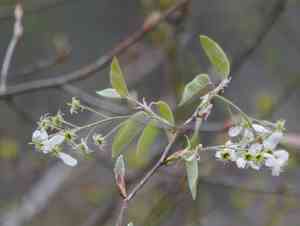
This seasonal shrub or compact tree, recognized for its prominent white blossoms and palatable fruits, flourishes with appropriate trimming. For typical serviceberry, conduct pruning in late winter or early spring prior to the emergence of buds. Thinning cuts are favored to preserve a natural form, foster robust architecture, and improve light access. Eliminate any lifeless, ailing, or intersecting branches to encourage vigorous development. Pruning additionally stimulates fresh growth, leading to a greater profusion of flowers and fruit in the subsequent season.
Advantages of Trimming Common Serviceberry
Advantages of Trimming Common Serviceberry
Trimming common serviceberry promotes robust development and helps maintain its desired form. Strategic cuts can revitalize the plant, ensuring strong health and enhancing its natural shape.
Optimal Time for Trimming Common Serviceberry
Optimal Time for Trimming Common Serviceberry
Trimming common serviceberry in late winter or early spring is ideal because the plant is still dormant, reducing stress and minimizing sap loss which can attract pests. Additionally, pruning before bud break allows gardeners to better assess the structure of common serviceberry and make more precise cuts. This timing also avoids removing any developing buds that will become flowers or fruits in the coming season, thus not negatively affecting the plant's display or yield. These considerations ensure the health and vitality of common serviceberry, enhancing flowering and fruit production for the year. It's critical to avoid pruning common serviceberry in late fall or midwinter when cuts may not heal properly, leaving common serviceberry more vulnerable to pests and diseases.
Necessary Tools for Trimming Common Serviceberry
Hand Pruners
For precise cuts on younger, smaller branches of common serviceberry, up to about 1/2 inch in diameter, hand pruners, also called secateurs, offer a clean cut that promotes healthy regrowth.
Loppers
For branches that are slightly larger, typically up to 1 1/2 to 2 inches in diameter, loppers provide the necessary leverage with their longer handles, making them ideal for reaching into common serviceberry's canopy.
Pruning Saw
When dealing with mature branches thicker than 2 inches, a pruning saw allows for cutting large limbs with greater control and efficiency. The saw can handle common serviceberry's hardwood, minimizing stress on the plant.
Pole Pruner
For hard-to-reach branches within common serviceberry without using a ladder, a pole pruner extends the gardener's reach while still providing the cutting power of pruners or a saw.
How to Trim Common Serviceberry
Step1: Timing: Dormant Season Pruning
Begin pruning common serviceberry in late winter or early spring before new growth starts, as this is when the plant is dormant and less susceptible to stress or infection.
Step2: Tool Sterilization
Sterilize your pruning tools with alcohol or a 10% bleach solution to prevent the spread of disease.
Step3: Dead Wood Identification
Inspect common serviceberry to identify the dead wood. Look for branches that are discolored, brittle, and not producing buds.
Step4: Dead Wood Removal Technique
Carefully remove dead wood by cutting at the base of the branch with sharp, clean pruners. Make cuts at a slight angle, about 1/4 inch above a bud that is facing the outside of the plant to encourage outward growth.
Step5: Diseased Limb Identification
Identify diseased limbs by presence of visible signs of infection, such as abnormal growths, discoloration, or the presence of pests.
Step6: Pruning Diseased Limbs
Prune diseased limbs by cutting them back to healthy tissue. If the entire limb is affected, remove it at the point of origin or back to the main stem. Always cut just outside the branch collar, not flush with the trunk, to promote better healing.
Step7: Sterilize Tools Post-Cut
After each cut of diseased wood, re-sterilize your tools to avoid spreading pathogens to healthy parts of common serviceberry.
Step8: Disposal of Removed Material
Dispose of all removed dead wood and diseased limbs properly, as they can harbor pests and diseases. Do not compost them.
Step9: Shaping and Final Cuts
Finalize the pruning session by making any necessary shaping cuts to maintain common serviceberry's natural form, while keeping pruning to a minimum to avoid excessive stress on the plant.
Step10: Post-Pruning Hydration
Water common serviceberry after pruning to provide moisture and help reduce stress on the plant.
Step11: Mulching for Soil Health
Apply a layer of mulch around the base of common serviceberry to preserve soil moisture and provide nutrients as it breaks down over time.
Post-Trimming Care for Common Serviceberry
Post-Trimming Care for Common Serviceberry
After pruning common serviceberry, immediately ensure clean cuts to prevent disease. Common serviceberry thrives in full sun to part shade; maintain appropriate light levels. Monitor local humidity and temperature, avoiding extremes to reduce stress. Apply a balanced fertilizer to support common serviceberry's recovery and new growth. Regularly inspect common serviceberry for wilted leaves or oozing wounds as signs of distress or infection. If such symptoms occur, treat promptly with an appropriate fungicide. Maintain a consistent watering schedule to keep the soil moist but not waterlogged.
Common Trimming Errors with Common Serviceberry
Excessive Pruning Reduces Bloom and Harms Plant
Over-pruning can stress common serviceberry, leading to reduced flowering and fruiting. Removing more than one-third of the branches can be harmful.
Ignoring Dead or Diseased Branches Spreads Disease
Neglecting to remove dead, diseased, or damaged wood compromises common serviceberry's health and can lead to the spread of disease.
Cutting Old Wood Inhibits New Flowering Shoots
Cutting into common serviceberry's old wood (older than 2-3 years) may prevent the development of new shoots which bear the most flowers.
Dull Tools Cause Disease-Prone Ragged Cuts
Using dull or dirty pruning tools can cause ragged cuts and introduce disease to common serviceberry.
Unplanned Pruning Leads to Poor Plant Health
Pruning without a clear objective, such as shaping, removing deadwood, or improving structure can lead to an unbalanced appearance and impair the health of common serviceberry.
General Trimming Advice for Common Serviceberry
Sharp Tools for Clean Cuts and Disease Prevention
Use sharp, clean pruning shears or loppers to make clean cuts that will heal quickly and reduce the chance of disease.
Thin to Boost Airflow and Sun, Preventing Disease
Cut just above a bud that faces the outside of the plant. This encourages outward growth and prevents the development of inward-facing branches.
Prune Above Outward-Facing Buds for Ideal Growth
Identify and remove suckers and water sprouts as these vigorous shoots can divert energy from more productive growth on common serviceberry.
Remove Suckers and Sprouts to Prioritize Productive Growth
Maintain the natural shape of common serviceberry by selectively pruning branches and avoid shearing unless forming a hedge.



