How to Prune Western serviceberry?
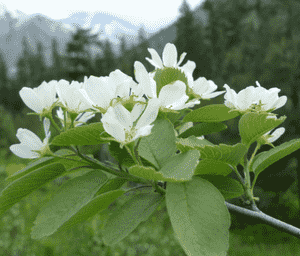
This leaf-shedding bush, prized for its palatable fruit and white springtime flowers, flourishes with consistent upkeep. Effective trimming for western serviceberry entails eliminating deceased, impaired, or excessively dense branches to foster air movement and light access. Reducing the number of older stalks stimulates fresh development and boosts berry output. The ideal period for pruning is winter, when the shrub is inactive and its framework is readily apparent. Trimming western serviceberry revitalizes the specimen and preserves a preferred form, thereby improving both fruit harvest and aesthetic appeal.
What Are the Benefits of Pruning Western Serviceberry?
What Are the Benefits of Pruning Western Serviceberry?
Trimming western serviceberry promotes a more abundant yield by stimulating development. Robust growth results from eliminating dead or competing branches, ensuring energy is directed to healthy sections. Pruning also preserves western serviceberry's desired shape, enhancing its decorative appeal.
What Is the Best Time for Pruning Western Serviceberry?
What Is the Best Time for Pruning Western Serviceberry?
Trimming western serviceberry during late winter or early spring is advisable as it remains dormant, minimizing stress and disease transmission risk. This timing also permits removal of any winter damage before the plant enters its rapid growth phase, ensuring healthier development. Furthermore, since western serviceberry flowers on old wood, pruning after the blooming season might remove flower buds, reducing the upcoming season's bloom and fruit production.
What Tools Do I Need to Prune Western Serviceberry?
Hand Pruners
Perfect for making clean cuts on small branches and twigs of western serviceberry. They should be sharp and fit comfortably in the hand for precise control.
Loppers
Suitable for cutting branches up to 1.5 inches in diameter, they provide the leverage needed to prune thicker branches of western serviceberry without causing damage.
Pruning Saws
Essential for removing larger branches over 1.5 inches in diameter. A fine-toothed pruning saw can make smooth cuts, vital for the health of western serviceberry.
Pole Pruners
Helpful for reaching higher branches of western serviceberry without using a ladder, allowing safe pruning from the ground.
Hedge Shears
Appropriate for shaping and maintaining the outer form of western serviceberry if grown as a hedge or for formal shapes.
Gloves
Crucial for protecting hands from thorns and rough bark while working with western serviceberry.
How to Prune Western Serviceberry
Step1: Gathering and Sanitizing Pruning Tools
Begin by collecting the appropriate tools for trimming western serviceberry, such as sharp bypass pruners, loppers, and a pruning saw. Disinfect these tools with a 10% bleach solution or rubbing alcohol to prevent disease spread.
Step2: Identifying Weak Limbs for Removal
Locate weak limbs on western serviceberry that may be thin, disproportionately slender, or growing at awkward angles that could hinder the plant's overall development. Weak limbs generally won't produce strong growth and can be removed to improve the plant's structure.
Step3: Pruning Damaged Wood
Examine western serviceberry for damaged wood. Look for limbs that are broken, split, or have been harmed by weather, animals, or mechanical injury. Damaged wood should be cut back to healthy tissue to prevent additional stress on the plant.
Step4: Removing Diseased Branches
Inspect western serviceberry for any indications of diseased branches, which might include discoloration, cankers, or unusual growths. It is vital to remove these branches to prevent the disease from spreading to the rest of the plant.
Step5: Making Precise Pruning Cuts
Execute precise cuts when removing weak, damaged, or diseased limbs. For thin branches, cut at a 45-degree angle approximately 1/4 inch above an outward-facing bud, to encourage external growth. For thicker branches, employ the three-cut method to avoid bark tearing: make a notch on the underside of the branch, a few inches from the trunk, then cut through the branch from the top, outside the first notch, and finally, cut the stub just beyond the branch collar.
Step6: Shaping the Plant Naturally
When shaping western serviceberry, preserve its inherent form. Avoid excessive branch removal which can stimulate undesirable growth and weaken the plant. Prune branches to maintain a well-spaced, balanced framework, focusing on opening up the center to enhance light penetration and air circulation.
Step7: Cleaning Up Pruning Debris
After completing the pruning cuts, clear all removed material from around western serviceberry to prevent potential pest and disease issues. Do not compost diseased material; instead, dispose of it appropriately.
Step8: Post-Pruning Tool Sanitization
Disinfect tools again after finishing the pruning session, especially if you've cut away diseased material, to avoid contaminating your next pruning subject.
Post-Pruning Care for Western Serviceberry
Post-Pruning Care for Western Serviceberry
After trimming western serviceberry, immediately water the plant to alleviate stress. Ensure western serviceberry is in partial to full sunlight, with moderate humidity. Avoid extreme temperature fluctuations. Fertilize with a balanced, slow-release formula to promote recovery. Regularly check for wilted leaves or cankers, indicating stress or disease. If symptoms appear, promptly apply appropriate fungicides or insecticides. Consistent monitoring allows for quick intervention and fosters resilience in western serviceberry.
Common Pruning Mistakes with Western Serviceberry
Overzealous Pruning: Stress and Reduced Plant Vigor
Trimming too much at once, which can stress western serviceberry by removing too many branches and foliage, potentially leading to diminished vigor and bloom.
Improper Cuts: Damage to Collar and Healing Inhibition
Making cuts flush with the trunk or main branches, which can harm the collar (the swelling at the branch base) and hinder proper healing.
Leaving Stubs: Decay and Pest Entrance
Leaving long stubs when cutting branches, which can lead to rot and provide entry points for pests and diseases.
Ignoring Dead or Diseased Wood: Health and Aesthetics Impact
Neglecting to remove diseased, damaged, or dead wood, which can compromise the overall health and appearance of western serviceberry.
Using Dull Tools: Ragged Cuts and Infection Risk
Employing dull or unclean pruning tools, which can result in jagged cuts that are more susceptible to infection and pests.
Common Pruning Tips for Western Serviceberry
Clean Cuts with Sharp Tools: Faster Healing
Utilize sharp and clean pruning tools to make precise cuts, which help western serviceberry heal more quickly and reduce disease risk.
One-Third Rule: Safe Tissue Removal Limit
Adhere to the 'one-third' rule by never removing more than one-third of the living tissue in a single season to maintain the structural integrity and health of western serviceberry.
Cut Above Outside Bud: Encourage Outward Growth
Cut branches just above an outward-facing bud to encourage external growth and prevent congestion within the center of western serviceberry.
Maintaining Central Leader for Tree Form
Identify and preserve a strong central leader, if a tree form is desired, by removing any competing leaders.
Removing Crossing Branches: Prevent Wounds
Prune crossing branches that rub together to prevent injuries and entry sites for pests and diseases.
Natural Shaping: Avoid Excessive Topiary
Shape western serviceberry carefully to maintain its natural appearance, avoiding excessive topiary or unnatural forms unless it meets a specific landscape design.
Pruning Sealant: Protect Larger Cut Surfaces
After removing larger branches, apply a pruning sealant to the cut surfaces to protect against pests and diseases.



