How to Prune Love-lies-bleeding?
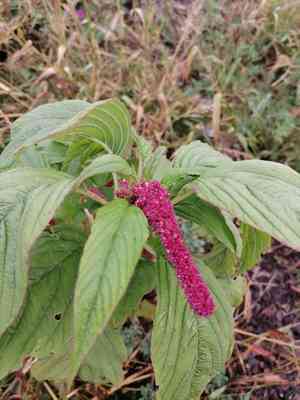
Recognized for its trailing inflorescences of vivid blossoms, Amaranthus caudatus is a striking yearly plant. Trim for form and density following the initial bloom by reducing the primary stalk by one-third. The most effective trimming takes place from the beginning of spring until late autumn, fostering fresh development. Consistent removal of spent flowers promotes additional flowering. Maintain tidiness to avert illness. Advantages of trimming encompass denser foliage, increased floral production, and regulated plant dimensions.
What Are the Benefits of Pruning Love-lies-bleeding?
What Are the Benefits of Pruning Love-lies-bleeding?
Trimming love-lies-bleeding promotes robust development and preserves its distinctive form. Strategic cutting can revitalize dormant stems, encourage new shoots, and maintain the plant's decorative appeal.
What Is the Best Time for Pruning Love-lies-bleeding?
What Is the Best Time for Pruning Love-lies-bleeding?
Early spring is an ideal time for pruning love-lies-bleeding as the plant is still in its dormant phase or just beginning its active growth cycle. Trimming during this period energizes the plant for robust growth as there is less stress on the plant and the risk of pest invasion or disease is minimized with cooler temperatures. Late fall is also optimal, after the plant has finished flowering and before winter dormancy sets in. Pruning in late fall helps to prevent any potential disease spread that can occur in wetter, cooler weather and prepares the plant for the next growing season by removing spent flowers and any dead or damaged foliage, encouraging healthier growth when spring arrives.
What Tools Do I Need to Prune Love-lies-bleeding?
Hand Pruners
For the easily accessible stems of love-lies-bleeding, sharp bypass hand pruners are perfect. They create clean cuts that heal quickly, minimizing harm to the plant.
Pruning Shears
The delicate stems of love-lies-bleeding require pruning shears with a sharp blade to ensure precise cuts without crushing the plant tissues, promoting healthy regrowth.
Gloves
When handling love-lies-bleeding, wearing gardening gloves can shield your hands from potential irritation and ensure a firm grip on the pruning tools.
How to Prune Love-lies-bleeding
Step1: Assess Plant For Trimming
Evaluate the plant before trimming. Position your pruning shears above a leaf node, where the leaf or branch is attached to the stem, to encourage new growth.
Step2: Deadhead Spent Flowers
Start by removing faded flowers from love-lies-bleeding to prevent the plant from expending energy on seed production. Snip the flower stem just above the first set of healthy leaves using clean, sharp pruning shears.
Step3: Remove Yellow Leaves
Identify yellow leaves that are typically older foliage and may indicate a lack of nutrients or water. Cut these leaves off at the base of their stem, as close to the main plant stem as possible without damaging it.
Step4: Prune Withered or Dead Branches
Locate any withered or dead branches on love-lies-bleeding. These branches often look dry and brittle. Prune them back to a healthy segment of the branch. If the entire branch is dead, cut it back to the base, making the cut just above the node where it joins the main stem or a healthy side branch.
Step5: Shape Plant After Pruning
After removing the unwanted parts, assess the overall shape of love-lies-bleeding. If further shaping is desired for aesthetic reasons or to maintain a certain size, selectively trim the branches. Make sure to cut just above leaf nodes, shaping the plant carefully to maintain a balanced structure.
Step6: Clear Cuttings and Debris
Remove all the cuttings and debris from around love-lies-bleeding to prevent any potential fungal or pest infestations.
Step7: Water Plant Post-Pruning
Water love-lies-bleeding after pruning to help reduce stress on the plant and to encourage recovery and new growth.
Step8: Monitor Plant for New Growth
Monitor love-lies-bleeding over the following weeks and continue to remove any new dead flowers, yellow leaves, or withered branches that may appear, following the above steps as necessary.
Post-Pruning Care for Love-lies-bleeding
Post-Pruning Care for Love-lies-bleeding
After pruning love-lies-bleeding, immediately water the soil to alleviate stress and promote healing. Ensure love-lies-bleeding receives gentle, indirect light, maintaining mild temperatures and high humidity to aid recovery. Fertilize with a balanced, slow-release formula to support new growth. Regularly inspect for discolored foliage or wilting as signs of distress. Should infection signs appear, promptly apply a fungicide. Monitor the plant closely to ensure a vigorous comeback.
Common Pruning Mistakes with Love-lies-bleeding
Over-Pruning Reduces Flowering and Vitality
Excessive pruning can lead to diminished flowering and vigor. Love-lies-bleeding benefits from a lighter touch to maintain its natural cascading growth habit and abundant blooms.
Avoid Cutting Woody, Established Stems
Cutting into woody, established stems may cause unnecessary stress and potential damage to love-lies-bleeding. Gardeners should focus on younger, green growth.
Failing to Deadhead Promotes Seed Over Blooms
Neglecting to remove dead or fading flowers, known as deadheading, can result in love-lies-bleeding investing energy in seed production rather than new growth and blooms.
Dull Tools Cause Jagged Cuts and Disease
Using dull or dirty pruning tools can cause jagged cuts and introduce diseases to love-lies-bleeding. Clean, sharp tools are critical for clean cuts and plant health.
Pruning Against Natural Shape Harms Appearance
Ignoring the plant's natural shape can result in an unattractive and unnatural appearance. Love-lies-bleeding should be pruned in a manner that complements its flowing form.
Common Pruning Tips for Love-lies-bleeding
Use Sharp, Clean Tools for Precise Cuts
Use sharp, clean pruning shears to make precise cuts on love-lies-bleeding, which will help to minimize stress and prevent the spread of disease to the plant.
Regular Deadheading for More Blooms
Deadhead spent blooms regularly to encourage love-lies-bleeding to produce new flowers and maintain a neat appearance.
Light Pruning Stimulates Growth and Shapes Plant
Prune lightly to shape love-lies-bleeding and control its size. Aim to remove only a small portion of the plant at a time, which can also help to stimulate new growth.
Remove Damaged Foliage to Maintain Plant Health
Focus on removing any damaged or diseased foliage as soon as it's noticed. This will help to keep love-lies-bleeding healthy and prevent the spread of problems.
Partial Bloom Cutting Encourages Further Flowering
If love-lies-bleeding is being grown for cut flowers, cut the long flowering stems when they are partially opened for vase arrangements, which will also encourage further blooming.



