How to Prune Sessile Joyweed?
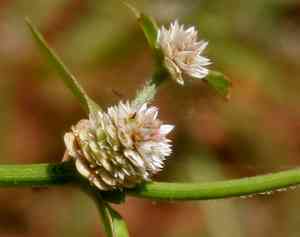
Sessile Joyweed flourishes in diverse settings and necessitates periodic trimming to sustain its robust development and form. The main approach involves cutting back elongated stalks and eliminating any withered or discolored foliage, which fosters denser growth and improves air circulation. Pruning yields the best results in spring, summer, and autumn, coinciding with the plant's active phases. Employing sanitized, sharp implements is crucial to lessen strain and the potential for illness. Consistent pruning additionally facilitates superior light exposure and can incite flowering in blooming types.
What Are the Benefits of Pruning Sessile Joyweed?
What Are the Benefits of Pruning Sessile Joyweed?
Trimming sessile Joyweed encourages robust development and maintains its desired form. Strategic cuts enhance air circulation, lower disease risk, and foster denser foliage, which is especially advantageous for sessile Joyweed's decorative appeal.
What Is the Best Time for Pruning Sessile Joyweed?
What Is the Best Time for Pruning Sessile Joyweed?
Pruning in Spring enables sessile Joyweed to direct its energy toward new growth and recovery as it awakens from dormancy. Late Summer trimming prepares sessile Joyweed for the active growing season, ensuring strong health and lush foliage. Early Fall pruning requires caution to prevent new growth vulnerable to impending cold, while still preserving the plant's shape and removing spent flowers or seeds to deter self-seeding. These periods avoid sessile Joyweed's flowering and fruiting phase, preserving its vigor and beauty while promoting a compact, bushy habit.
What Tools Do I Need to Prune Sessile Joyweed?
Hand Pruners
Perfect for making precise cuts on sessile Joyweed, ensuring minimal stem damage and encouraging healthy regrowth.
Shears
Suitable for trimming and shaping sessile Joyweed's bushy growth, helping maintain its desired appearance in the landscape.
Garden Scissors
Useful for snipping off spent flowers or dead leaves from sessile Joyweed, facilitating neat growth and preventing diseases.
How to Prune Sessile Joyweed
Clean Tools
Sanitize pruning shears or scissors with alcohol to prevent disease transmission when trimming sessile Joyweed.
Identify
Examine sessile Joyweed thoroughly to locate all withered leaves that require removal.
Cut
Snip off the withered leaves at their base, near the stem, taking care not to harm new growth or healthy tissue.
Dispose
Gather the trimmed withered leaves and discard them properly to prevent potential pest or disease infestation.
Water
Water sessile Joyweed sufficiently after pruning to aid its recovery and stimulate new growth.
Common Pruning Mistakes with Sessile Joyweed
Over-Pruning
Removing too much foliage, which can stress sessile Joyweed and lead to reduced vigor or even plant death.
Improper Cut Locations
Cutting too far from a node, which can leave unsightly stubs and hinder regrowth, or too close, which can damage the node.
Using Dull Tools
Making cuts with dull or unclean tools can create jagged wounds that are more susceptible to pests and diseases.
Neglecting To Prune
Sessile Joyweed can become leggy and overgrown if not regularly pruned, which impairs its overall appearance and health.
Pruning Without Disinfecting
Failing to disinfect tools between cuts can spread diseases from infected parts of the plant to healthy ones.
Common Pruning Tips for Sessile Joyweed
Selective Pruning
Encourage bushier growth by selectively pruning the tips of sessile Joyweed, which stimulates the plant to produce more lateral branches.
Clean Cuts
Make clean cuts close to a node to promote faster healing and to minimize the likelihood of disease entry.
Thinning
Thin out crowded areas to improve air circulation and light penetration, which can reduce the risk of disease and promote healthier growth.
Regular Trimming
Perform regular light trimmings rather than severe pruning sessions to maintain the shape and density of sessile Joyweed, while avoiding plant stress.
Post-Flowering Trimming
After sessile Joyweed flowers, trim back the plant to encourage a second flush of blooms, being careful not to remove all the flowering sites.



