How to Prune Saint Martin's lily?
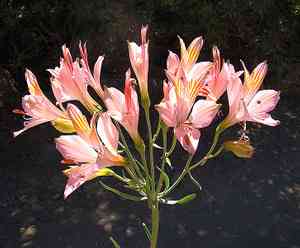
Celebrated for its vivid, bell-shaped blossoms, saint Martin's lily thrives in adequately drained earth and ample sunlight. Essential trimming entails routinely eliminating faded flowers and lifeless leaves to stimulate fresh development and extend the blooming period. Ideally performed in spring and summer after flowering, precise cutting at the stem's foundation is advised. Trimming saint Martin's lily not only preserves its appearance but also enhances plant robustness and peak condition, guaranteeing a prolific showcase in the subsequent period.
What Are the Benefits of Pruning Saint Martin's Lily?
What Are the Benefits of Pruning Saint Martin's Lily?
Trimming saint Martin's lily promotes robust development and helps maintain its form. Consistent removal of faded flowers and dead foliage stimulates healthy new shoots, resulting in a more vigorous and visually appealing plant.
What Is the Best Time for Pruning Saint Martin's Lily?
What Is the Best Time for Pruning Saint Martin's Lily?
Spring is an ideal period for pruning saint Martin's lily as the plant is emerging from dormancy and entering its active growth phase, making it receptive to trimming and allowing for rapid healing of cuts. Early Summer pruning coincides with the end of saint Martin's lily's flowering season, enabling the gardener to snip spent blossoms and shape the plant without impacting future blooms. This timing also encourages new growth and can foster a second flowering under certain conditions. Pruning during these seasons helps preserve saint Martin's lily's health and appearance, while avoiding stress during dormant periods or the intense heat of late summer.
What Tools Do I Need to Prune Saint Martin's Lily?
Hand pruners
Perfect for making accurate cuts on saint Martin's lily's slender stems, fostering healthy growth without causing unnecessary harm to the plant.
Bypass pruners
These function like scissors, providing clean cuts on saint Martin's lily's foliage and are less likely to damage the plant's stems compared to anvil-style pruners.
Pruning shears
Useful for shaping saint Martin's lily's overall structure and maintaining a desired size, as these shears allow for quick removal of excess growth.
Gloves
Not a cutting tool but crucial for safeguarding the gardener's hands from saint Martin's lily's potentially sharp leaves.
Garden scissors
These can be used for more delicate trimming tasks or deadheading saint Martin's lily, where the control and precision of smaller blades are advantageous.
How to Prune Saint Martin's Lily
Clean Tools
Before beginning to prune saint Martin's lily, sanitize pruning shears and all cutting implements with alcohol to prevent disease transmission.
Remove Diseased Leaves
Identify and carefully detach any diseased leaves from saint Martin's lily, cutting them at the base where they connect to the stem, avoiding damage to healthy tissue.
Prune Withered Leaves
Locate and trim withered leaves from saint Martin's lily by cutting at the base of the leaf stem to encourage healthier development and improve air circulation.
Trim Diseased Stems
Cut out diseased stems of saint Martin's lily by making clean cuts just above a healthy leaf node or bud to promote new healthy growth and prevent infection spread.
Dispose Trimmed Parts
Properly discard all removed diseased and withered plant parts away from saint Martin's lily to prevent reinfection or the spread of pests and diseases.
Common Pruning Mistakes with Saint Martin's Lily
Over-Pruning
Cutting back saint Martin's lily too aggressively can harm the plant's vitality and hinder its growth and flowering capacity. It's important to remove only what is essential, such as dead or damaged stems.
Improper Cutting Techniques
Using dull or dirty pruning tools can lead to jagged cuts that may invite pests and diseases. Clean cuts made with sharp, sterilized tools are vital.
Pruning Active Growth
Removing actively growing stems can diminish saint Martin's lily's vigor and reduce its blooming. Prune only spent blooms and any necessary foliage or stems for shaping or health.
Neglecting Deadheading
Failing to deadhead, or remove faded flowers, can result in fewer future blooms. For saint Martin's lily, regular deadheading encourages more prolific flowering.
Common Pruning Tips for Saint Martin's Lily
Appropriate Tool Selection
Using sharp, clean shears or scissors will create precise cuts that heal quickly, minimizing stress on saint Martin's lily and the risk of disease.
Deadheading
Removing spent flower stalks after they have faded prompts saint Martin's lily to produce more blooms and direct its energy towards new growth rather than seed production.
Disease Prevention
When pruning saint Martin's lily, cut at an angle to prevent water accumulation on the cut surface, reducing the likelihood of fungal diseases.
Selective Pruning
Thin out congested areas to enhance air circulation, which helps maintain saint Martin's lily's health and prevents fungal growth. Be conservative with the number of stems removed at any one time.



