How to Prune Alocasia sanderiana?
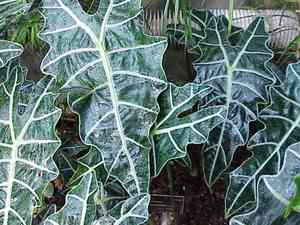
Recognized for its arrow-like leaves featuring prominent venation, Alocasia sanderiana greatly benefits from deliberate trimming. It is crucial to eliminate any discolored or deceased leaves to preserve the plant's well-being and visual appeal. The most suitable times for pruning Alocasia sanderiana are in early spring and late winter, coinciding with its natural development phase. Trimming during these periods stimulates fresh development and rejuvenates the specimen. Utmost care should be exercised to employ sanitized, keen instruments to avert illness and guarantee precise incisions for quicker recovery.
Advantages of Trimming Kris Plant?
Advantages of Trimming Kris Plant?
Trimming kris plant promotes vigorous development by eliminating dead or crowded foliage, ensuring improved air circulation and light exposure. Regular cuts maintain the plant's attractive shape, keeping it compact and boosting its decorative appeal.
Optimal Period for Trimming Kris Plant?
Optimal Period for Trimming Kris Plant?
Late winter and early spring are considered the best times for pruning kris plant because these seasons precede its active growth phase, which usually begins in the spring. Pruning during late winter ensures that any dead or damaged foliage from the colder months is removed, thus directing the kris plant's energy towards new, healthy growth as temperatures rise. In early spring, any excess or leggy growth can be trimmed back to encourage a fuller, more robust plant. This timing also prevents stressing the kris plant during its growth period and avoids the risk of cutting back foliage when the plant is in a dormant state in the fall, which could negatively impact its health.
Necessary Tools for Pruning Kris Plant?
Precise Pruning Shears
These shears are perfect for making clean cuts on kris plant without harming the delicate stems.
Micro-Tip Snips
These snips allow for exact control when trimming small or hard-to-reach areas of kris plant, ensuring minimal disruption to the plant.
Sharp Scissors
Standard sharp scissors can be utilized for basic trimming of kris plant's leaves, ideally with a pointed tip for accuracy.
Sterilizing Agent (e.g., Alcohol)
This is vital for sanitizing tools before and after pruning kris plant to prevent disease transmission.
Gloves
Protective gloves should be worn to shield the gardener from any potential skin irritants found in kris plant's sap.
How to Prune Kris Plant
Prepare Tools
Gather all essential trimming implements such as sharp scissors, pruning shears, or a knife. Ensure tools are clean and sterilized to prevent the spread of disease to kris plant.
Identify Diseased
Examine kris plant for indications of diseased leaves which may appear discolored, spotted, or distorted. Mark these for pruning to avoid confusing them with healthy foliage.
Trim Diseased
Carefully trim diseased leaves at the base where they meet the stem or the main vein. Cut cleanly to avoid damaging kris plant's healthy tissue and dispose of diseased leaves properly.
Identify Withered
Look for withered leaves that are completely dried out or yellowing which indicate old age or a natural lifecycle of the leaf. These should be pruned to encourage new growth and maintain aesthetics.
Trim Withered
Gently remove withered leaves from kris plant by cutting them at the base, similar to diseased leaves. Ensure cuts are sharp and clean for quick healing of the remaining plant.
Common Pruning Errors with Kris Plant
Excessive Pruning
Trimming more than one-third of kris plant can stress the plant, potentially leading to stunted growth or death.
Cutting Healthy Leaves
Removing healthy leaves reduces kris plant's ability to photosynthesize, weakening the overall health of the plant.
Improper Tool Use
Using dull or dirty pruning tools can cause damage to the plant tissues, leading to disease or poor healing.
Pruning Without Purpose
Randomly cutting without understanding the growth pattern of kris plant can result in unsightly plants and hinder growth.
Ignoring Disease Prevention
Failing to disinfect tools before pruning can spread disease from infected to healthy parts of kris plant or to other plants.
General Pruning Advice for Kris Plant
Disinfect Tools
Clean pruning tools with a solution of bleach or alcohol before and after use to prevent the spread of diseases.
Prune Dead Or Damaged Foliage
Removing yellow, brown, or damaged leaves promotes healthier growth and improves air circulation.
Cut At Base
Make cuts at the base of the stem when removing spent leaves to encourage new growth and maintain a clean appearance.
Consider The Plant'S Growth
Understand the growth habit of kris plant to make strategic cuts that support its natural shape and vitality.
Water After Pruning
Provide kris plant with adequate water after pruning to help the plant recover and reduce stress caused by the loss of foliage.



