How to Prune Alocasia reginula?
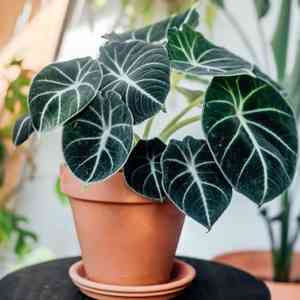
Alocasia reginula, recognized for its deep, plush foliage and shimmering venation, necessitates meticulous trimming to preserve its vitality and visual appeal. Conduct pruning in late winter or early spring prior to the commencement of its active growth phase. Detach any deceased or discolored leaves from the plant's base to foster improved air movement and light penetration. Regular removal of aged foliage stimulates fresh development and sustains the plant's dense, compact structure. This practice not only elevates the alocasia reginula's look but also deters the buildup of pathogens.
Advantages of Trimming Alocasia Reginula
Advantages of Trimming Alocasia Reginula
Trimming alocasia reginula promotes robust development and maintains its decorative appeal by eliminating old or crowded leaves, which improves air circulation and light penetration to inner foliage, fostering a healthier and more attractive plant.
Optimal Time for Trimming Alocasia Reginula
Optimal Time for Trimming Alocasia Reginula
Trimming alocasia reginula in late winter to early spring is ideal as this period precedes the plant's active growth phase. During late winter, alocasia reginula is still dormant, minimizing stress and reducing injury risk from trimming. Early spring, however, aligns with new growth, allowing alocasia reginula to heal quickly and use energy for producing new, healthy foliage. Trimming in these seasons helps maintain the plant's shape, encourages healthier growth, and prevents disease development by removing weak or damaged parts before the plant expends energy on them.
Tools Required for Trimming Alocasia Reginula
Sharp Bypass Pruners
Perfect for making clean cuts on alocasia reginula stems, preventing damage and encouraging healthier growth. Bypass pruners operate like scissors and are superior to anvil pruners for live plants due to cleaner cuts without crushing stems.
Precision Scissors
Useful for trimming smaller or more delicate areas of alocasia reginula, especially for shaping or removing small, dead, or unhealthy leaves. Accuracy is vital to avoid harming nearby healthy tissues.
How to Trim Alocasia Reginula
Sanitize tools
Begin trimming alocasia reginula by sterilizing your pruning shears or scissors. Use alcohol or a bleach solution to wipe blades to prevent disease and pathogen spread.
Identify
Carefully inspect alocasia reginula to pinpoint diseased or withered leaves. Look for discoloration, spots, or decay signs, which typically indicate unhealthy foliage.
Remove diseased leaves
Using sterilized trimming tools, carefully cut off diseased leaves at their base where they meet the stem. Make clean cuts to avoid tearing, which can further stress alocasia reginula.
Remove withered leaves
Similarly, remove any withered or dead leaves following the same method. These leaves often appear dry, brown, and brittle and can be carefully removed to promote better growth and appearance.
Clean up
After trimming, clear all removed foliage from around alocasia reginula to deter pests and fungal growth. Dispose of unhealthy leaves properly to prevent disease spread in your garden.
Monitor health
Monitor alocasia reginula over the next several days and weeks to ensure it responds well to trimming. Look for new growth and recovery signs, such as fresher, greener leaves.
Common Trimming Errors with Alocasia Reginula
Excessive trimming
A common error is removing too many leaves or stems from alocasia reginula, which can significantly stress the plant. Alocasia reginula should not be trimmed too aggressively as it relies on all its foliage to sustain growth and overall health.
Incorrect tool usage
Using dull or dirty trimming tools can damage alocasia reginula's delicate stems, leading to jagged cuts that heal poorly. This exposes the plant to infections and pests.
Trimming healthy leaves
It's a mistake to trim healthy leaves to shape or reduce alocasia reginula's size, as it can hinder its growth. Only dead, diseased, or visibly deteriorating leaves should be removed.
General Trimming Advice for Alocasia Reginula
Sanitize tools
Before trimming alocasia reginula, always sterilize your cutting tools with alcohol or a bleach solution. This prevents disease spread and ensures clean cuts that heal more effectively.
Systematic approach
When trimming alocasia reginula, inspect the plant thoroughly first. Begin by removing any yellowing, spotted, or damaged leaves. Make cuts at the stem's base, close to the main body of the plant, to prevent rotting stubs.
Post-trim care
Alocasia reginula will benefit from a slight increase in humidity and reduced watering after a trimming session. This helps the plant focus on healing and regrowing healthier foliage.



