How to Prune Elephant's ear?
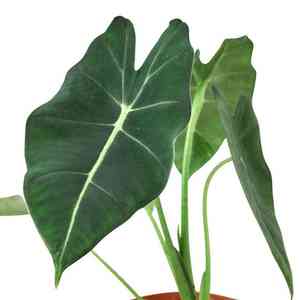
For elephant's ear, characterized by its expansive, arrow-shaped leaves, trimming improves vitality and visual appeal. Eliminate discolored or deceased leaves from the plant's base to channel nutrients toward robust development. Perform pruning in late winter or early spring, prior to the active growing season. Employ sanitized, keen cutting tools to avert illness. Regular elimination of aged foliage stimulates fresh leaf production, preserving the elephant's ear's striking look. Discard plant remnants to discourage infestations and ailments, guaranteeing a thriving specimen.
What Are the Benefits of Pruning Elephant's Ear?
What Are the Benefits of Pruning Elephant's Ear?
Trimming elephant's ear encourages strong development by channeling energy to fresh, healthy leaves and stalks. By maintaining elephant's ear's shape, pruning manages its size and improves its natural look, keeping it balanced and visually appealing.
What Is the Best Time for Pruning Elephant's Ear?
What Is the Best Time for Pruning Elephant's Ear?
Pruning or trimming elephant's ear during late winter or early spring is optimal because this period aligns with elephant's ear's dormant phase in cooler regions when its growth slows. This allows for the removal of any dead or damaged foliage without significantly stressing the plant, as energy reserves are stored in the roots during this time. Additionally, pruning then prepares elephant's ear for a vigorous growth spurt typically seen in spring when warmer temperatures and increased light stimulate new growth. This enables the plant to heal cuts more rapidly, thus lowering disease risk while shaping the foliage for the upcoming growing season. Avoid pruning during peak summer or fall as these are critical times for the plant to photosynthesize and store energy for dormancy.
What Tools Do I Need to Prune Elephant's Ear?
Sharp Bypass Pruners
Perfect for making clean cuts on elephant's ear's stems without crushing plant tissue, which is vital for encouraging healthy new growth.
Precision Pruning Snips
Allow for delicate trimming of elephant's ear's smaller, intricate foliage and precise work in confined areas.
Gardening Gloves
Protect the gardener's hands from the elephant's ear's sap, which might cause skin irritation.
Disinfectant for Tools
Prevents the spread of disease by keeping pruning tools sterile before and after use on elephant's ear.
How to Prune Elephant's Ear
Sanitize Tools
Clean pruning shears or scissors with rubbing alcohol or a bleach solution to prevent the spread of disease while trimming elephant's ear.
Identify
Examine elephant's ear for diseased or withered leaves. Diseased leaves may show discoloration or spots, while withered leaves are yellow or brown and dry.
Cut Diseased Leaves
Using the sanitized shears, carefully cut diseased leaves at the base where the leaf stem meets the main stalk or soil line. Ensure clean cuts without harming adjacent healthy tissue.
Remove Withered Leaves
Similarly, remove withered leaves by cutting them at their base, close to the soil line or main stalk, to tidy up elephant's ear and redirect energy to healthier growth.
Dispose
Properly discard all removed leaves to prevent the spread of any pathogens or pests that might be present on the withered or diseased foliage.
Common Pruning Mistakes with Elephant's Ear
Over-Pruning
Removing too many leaves during pruning can stress elephant's ear, leading to poor health and reduced vigor as the plant relies on its broad foliage for photosynthesis.
Pruning Healthy Leaves
Cutting away healthy leaves instead of just the dead or dying foliage is a mistake as it diminishes elephant's ear's capacity for photosynthesis and can stunt its growth.
Improper Tool Usage
Using dull or unclean pruning shears can damage the stems and leaves of elephant's ear, causing jagged cuts that leave the plant vulnerable to pests and diseases.
Ignoring Disease Control
Not sterilizing tools between cuts, especially when removing diseased areas, can spread pathogens throughout elephant's ear and to other plants.
Cutting Too Close
Pruning too close to the main stem can harm elephant's ear by creating wounds that are slow to heal, potentially letting in disease.
Common Pruning Tips for Elephant's Ear
Selective Pruning
Focus on removing only the necessary parts of elephant's ear, such as yellowing or dead leaves and stems, to promote better air circulation and light penetration, which encourages robust growth.
Clean Equipment
Always use clean, sharp pruning shears to make clean cuts that heal quickly, reducing the potential for disease in elephant's ear.
Angled Cuts
Make angled cuts on stems to prevent water from accumulating on the cut surface, which can lead to rot and disease in elephant's ear.
Regular Inspection
Regularly inspect elephant's ear for signs of pests, diseases, or damage and prune as necessary to maintain the plant's health.
Post-Pruning Care
Provide elephant's ear with adequate water and possibly a light fertilizer after pruning to support recovery and new growth, but avoid over-watering as it may cause root rot.



