How to Prune Elephant's ear?
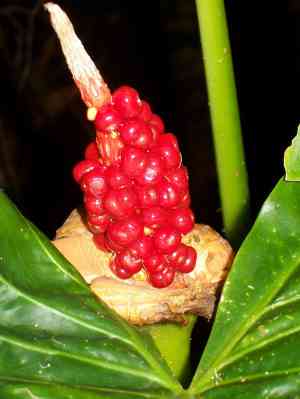
Given its expansive, striking leaves, elephant's ear flourishes with consistent trimming to eliminate old foliage and stimulate development. Perform pruning in early spring or late winter, while the plant is dormant, to ready it for the active growth period. Cut off any deceased or yellowed leaves at their base using sharp, disinfected shears. This action fosters robust foliage and preserves the plant's visual attractiveness. Routine pruning aids elephant's ear by averting illness and facilitating a more regulated, compact growth habit.
Why Prune Elephant's Ear?
Why Prune Elephant's Ear?
Trimming elephant's ear promotes robust development and helps maintain its desired form. This action removes excessive foliage, improving air circulation and light exposure, leading to a healthier, more attractive plant.
When Is the Best Time to Prune Elephant's Ear?
When Is the Best Time to Prune Elephant's Ear?
Pruning elephant's ear in late winter or early spring is ideal. This timing allows for the removal of any frost damage from the previous winter before the plant enters its active growth phase. This ensures pruning doesn't disrupt the plant's growth cycle, which typically accelerates in spring. It also helps direct the plant's energy toward producing new, healthy growth instead of sustaining injured or diseased parts. Additionally, since elephant's ear doesn't typically flower, pruning during this period avoids interfering with any flowering or fruiting cycles.
What Tools Are Needed to Prune Elephant's Ear?
Sharp Bypass Pruners
These are perfect for cutting through the relatively soft stems of elephant's ear. Their sharp, curved blades create clean cuts without crushing plant tissue, which is crucial for maintaining plant health and preventing disease.
Pruning Shears
For smaller or more delicate trimming tasks, such as removing yellowing or dead leaves, pruning shears offer precision and ease of use.
Garden Scissors
Sometimes the most delicate leaves or stems require lightweight and precise cutting tools. Garden scissors are ideal for this, with their long, slim blades suited for reaching into dense foliage without harming surrounding leaves.
How to Prune Elephant's Ear
Sterilize
Clean and sanitize your pruning tools before beginning to prevent the spread of disease to elephant's ear.
Identify
Carefully examine elephant's ear to locate diseased and withered leaves that require trimming.
Cut Diseased Leaves
Using the sterilized tools, precisely cut diseased leaves at their base where they meet the stem, being careful not to damage any healthy parts of elephant's ear.
Cut Withered Leaves
Trim any withered leaves similarly, making clean cuts to remove the entire leaf without leaving stubs that could decay and harm elephant's ear.
Dispose
Properly discard the removed diseased and withered leaves to prevent any potential spread of pathogens in the garden.
Common Pruning Errors with Elephant's Ear
Over-Pruning
Reducing elephant's ear foliage too severely can hinder photosynthesis and weaken the plant. This error can lead to poor health and reduced vigor.
Improper Tool Use
Using dull or dirty pruning tools can damage elephant's ear's tissues, potentially leading to infection or suboptimal healing.
Pruning Healthy Leaves
Unnecessarily removing healthy leaves can be detrimental to elephant's ear's growth. All foliage supports photosynthesis and energy production for the plant.
Ignoring Diseased Areas
Failing to remove diseased or pest-infested leaves can cause issues to spread, compromising elephant's ear's overall health.
Pruning Shock
Excessive pruning in a single session can shock elephant's ear and halt its growth, especially with novice gardeners who may underestimate the stress inflicted on the plant.
Helpful Pruning Tips for Elephant's Ear
Clean Cuts
Ensure you use sharp, clean shears to make precise cuts on elephant's ear, promoting better healing and reducing disease risk.
Selective Pruning
Focus on removing only yellowed, damaged, or decaying leaves to maintain elephant's ear's health, without compromising its ability to photosynthesize efficiently.
Gradual Process
Approach pruning as a gradual process, spreading it out over time to minimize stress on elephant's ear and allow for a better assessment of the plant's response.
Angle Of Cuts
Cut leaves at an angle, directing water away from the cut surface, which can help prevent rot or fungal growth on elephant's ear.
Post-Pruning Care
After pruning, provide elephant's ear with appropriate care, including proper watering and fertilization, to support recovery and robust regrowth.



