How to Prune Red alder?
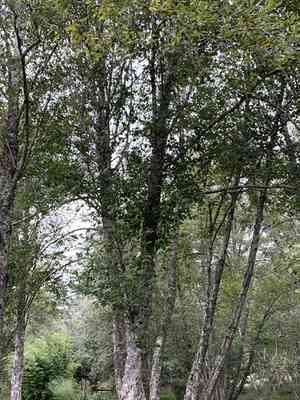
This swiftly growing, nitrogen-fixing deciduous tree thrives in damp ground. To ensure peak vitality and proper form, trim red alder in late winter or early spring, prior to the emergence of new foliage. Remove any branches that are dead, compromised, or afflicted, and thin the crown to enhance light exposure and airflow. Performing this pruning during its inactive phase reduces sap loss and stimulates strong growth in the spring. Consistent upkeep guarantees a sturdy and visually appealing plant.
What Are the Benefits of Pruning Red Alder?
What Are the Benefits of Pruning Red Alder?
Trimming red alder promotes more vigorous growth by channeling energy to fewer branches, thereby fostering a robust structure. It also aids in maintaining the desired form and dimensions, ensuring red alder fits well within its landscape.
What Is the Best Time for Pruning Red Alder?
What Is the Best Time for Pruning Red Alder?
Pruning red alder in late winter or early spring is ideal, as the plant is still dormant but preparing for rapid growth with warmer temperatures. Pruning at this time minimizes stress and allows for strong wound healing before new growth begins. Additionally, the plant's structure is more visible without leaves, simplifying pruning decisions. Avoid pruning red alder in late spring or summer during active growth, as this can divert energy and potentially expose the plant to pests and diseases. Pruning red alder after the autumn growth cycle is also not ideal, as fresh cuts can be vulnerable to decay in wet conditions, and healing is slower during dormancy. Thus, late winter to early spring pruning aligns with red alder's natural dormancy and growth preparation, ensuring both health and vigor.
What Tools Do I Need to Prune Red Alder?
Hand Pruners
Perfect for making clean cuts on young red alder branches, hand pruners are effective for branches up to ¾ inch in diameter. They come in bypass or anvil types, with bypass pruners recommended for live wood to prevent tissue crushing.
Lopping Shears
These are excellent for slightly larger branches, typically between ¾ inch and 1½ inches in diameter. The long handles provide leverage for cleanly cutting through tougher red alder limbs, minimizing plant damage.
Pruning Saws
For mature branches exceeding 1½ inches in diameter, a pruning saw is essential. A sharp, curved saw can efficiently handle larger limbs without causing undue strain to red alder's trunk and branches.
Pole Pruners
When dealing with red alder's height, pole pruners can reach higher branches without a ladder. This tool combines a saw and a lopper, offering flexibility for cutting various branch sizes from the ground.
How to Prune Red Alder
Safety and Sanitation
Before pruning red alder, ensure your tools are clean and sharp to prevent disease spread. Sterilize pruning equipment with a 1:9 bleach-to-water solution or isopropyl alcohol.
Dead Wood Removal
Locate and carefully remove any dead wood from red alder, cutting back to live, healthy tissue. Dead wood typically appears dry, brittle, and lacks green tissue when scratched.
Diseased Limb Removal
Identify diseased red alder limbs by discoloration, unusual growths, or altered bark texture. Prune these limbs back to healthy wood, cutting just above a lateral branch or outward-facing bud.
Broken Branch Removal
Safely trim broken red alder branches, cutting just above a healthy branch collar. Avoid leaving stumps, as they can become entry points for pests and diseases.
Cleanup and Disposal
After pruning red alder, collect all removed plant material and dispose of it properly, especially if diseased. This minimizes the risk of spreading pathogens back to red alder or other plants.
Common Pruning Mistakes with Red Alder
Overpruning
Removing too much foliage from red alder can stress the plant, making it susceptible to disease and pests. It's crucial to prune no more than 1/3 of the plant at a time.
Improper Cuts
Making jagged or torn cuts can harm red alder's branches, leading to poor healing and subsequent infection. Clean, sharp cuts are vital.
Neglecting Tools
Using dull or dirty pruning tools can spread disease and damage the plant's tissues, potentially affecting red alder's health and growth.
Pruning to Shape
Attempting to force red alder into an unnatural shape or size can impede its natural growth patterns and overall health. Maintaining the plant's natural form is essential.
Common Pruning Tips for Red Alder
Selective Pruning
Focus on removing only dead, damaged, or diseased branches to maintain red alder's health and vigor without compromising its natural structure.
Tool Quality
Use sharp, clean pruning shears or loppers to make precise cuts that will heal quickly and reduce the risk of disease for red alder.
Branch Collar
When removing larger branches, make cuts just outside the branch collar to promote proper healing. Avoid cutting too close to the trunk to prevent damaging red alder.
Thinning
Thin out dense areas to improve light penetration and air circulation, which will enhance red alder's overall health and reduce the likelihood of fungal diseases.



