How to Prune East Asian alder?
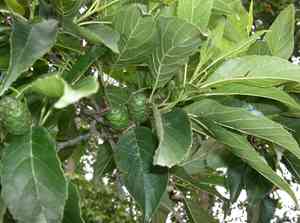
The east Asian alder, a deciduous tree recognized for its catkins and preference for damp ground, benefits from trimming to preserve its form and vitality. Perform pruning while the tree is dormant, in late winter or early spring, to prevent sap bleeding. Eliminate any lifeless or fragile branches, reduce crowded sections to improve light and air movement, and sculpt younger specimens. Refrain from extensive pruning; instead, carry out targeted thinning to foster robust development and uphold its inherent shape.
Advantages of Trimming East Asian Alder
Advantages of Trimming East Asian Alder
Trimming east Asian alder promotes robust development and maintains its desired form. This ensures a strong framework, enhances air circulation within the canopy, and can boost its decorative appeal. Strategic cuts help east Asian alder direct energy into producing healthy foliage and branches.
Optimal Time for Pruning East Asian Alder
Optimal Time for Pruning East Asian Alder
Pruning east Asian alder in late winter or early spring is advantageous as this period coincides with the end of dormancy and the onset of new growth. This allows the plant to recover quickly from pruning cuts before the vigorous spring growth. Furthermore, branch visibility is improved during this time as foliage is not fully developed, enabling more precise and effective pruning. Avoiding active growth and sap-flow periods helps minimize stress and the likelihood of disease or pest infestation at cut sites. Pruning in these seasons also lessens the impact on flowering, which typically occurs in late spring or summer for east Asian alder, ensuring the plant can still achieve a full display of catkins and seeds. These practices contribute to the overall health and structural integrity of east Asian alder.
Tools Required for Pruning East Asian Alder
Hand Pruners
Perfect for cutting small branches up to 3/4 inches in diameter, ensuring clean cuts for healthy regrowth on east Asian alder.
Loppers
Featuring long handles, they offer leverage to cut branches up to 1 1/2 inches in diameter, useful for reaching into the denser canopy of east Asian alder.
Pruning Saw
Essential for cutting branches over 1 1/2 inches thick, commonly found in mature east Asian alder, providing a clean cut without tearing the bark.
Pole Pruner
Enables trimming of higher branches without needing a ladder, improving the safety and ease of pruning east Asian alder.
Hedge Shears
Useful for shaping and thinning the dense foliage of east Asian alder, especially during formative pruning to maintain the desired shape and health of the plant.
How to Prune East Asian Alder
Identify
Carefully examine east Asian alder to locate all dead and diseased branches. These are identified by discolored, brittle, or decaying wood and should be the first to be removed to maintain plant health and aesthetic appeal.
Sanitization
Before beginning the pruning process, ensure all pruning tools are properly disinfected. This prevents the spread of diseases between plants. Use a solution of 1 part bleach to 9 parts water to clean the tools.
Cutting technique
Use sharp, clean pruning shears to make precise cuts. For dead branches, cut at the point where they meet healthy wood, ensuring not to damage the collar. Diseased branches should be removed completely to prevent further infection.
Disposal
Properly dispose of the removed dead and diseased branches. Do not compost as this could spread pathogens. Instead, burn or discard them in accordance with local regulations.
Wound care
If large branches were removed, apply a wound dressing or pruning paint to protect the exposed surfaces from pests and diseases. This step helps to promote rapid healing of the cuts.
Common Pruning Errors with East Asian Alder
Over-pruning
Removing too much foliage from east Asian alder at once can stress the plant, hinder its ability to photosynthesize, and reduce its vigor. It's important not to remove more than one-third of the live foliage in one pruning session.
Improper cuts
Making cuts too close to the trunk or leaving large stubs can cause improper healing and invite disease and pests. Cuts should be made just outside the branch collar to promote rapid healing.
Tearing bark
When pruning larger limbs from east Asian alder, failure to use proper cutting techniques can result in the bark tearing, which can damage the trunk and create entry points for pests and diseases.
Wrong tools
Using dull or unsanitized pruning tools can harm east Asian alder's branches, leading to ragged cuts that do not heal well and may introduce diseases.
Neglecting deadwood
Failing to remove dead or diseased wood from east Asian alder can lead to further decay and compromise the overall health and aesthetics of the plant.
General Pruning Advice for East Asian Alder
Clean cuts
Use sharp and clean pruning tools to make precise cuts on east Asian alder, which will heal more efficiently and reduce the risk of introducing diseases.
Thinning technique
Employ a thinning technique to remove selected branches to the base, which improves air circulation and light penetration to the interior of east Asian alder, encouraging healthy growth without altering its natural shape.
Crown cleaning
Regularly clear out the interior of east Asian alder's canopy from dead, dying, or diseased branches, including those that are crossing or rubbing against each other, to maintain its health and structure.
Safety first
For east Asian alder's larger branches, use the three-cut method to prevent bark ripping: an undercut first, then a cut from the top a few inches further out, followed by the final cut just outside the branch collar.
Wound care
After pruning east Asian alder, let the wounds heal naturally rather than applying wound paint or sealant, which can inhibit natural healing and trap moisture that can cause decay.



