How to Prune Ramson?
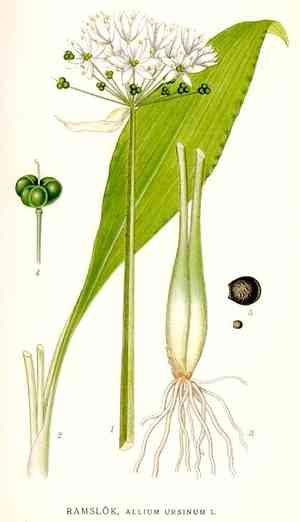
Ramson, a shade-loving herbaceous perennial, is recognized for its expansive, verdant foliage and aromatic white flowers. Throughout its active growth period, remove any yellowed leaves to sustain its vitality. Following its spring bloom, snip off the flower stalks to stimulate further leaf development. Trimming during spring or summer fosters robust foliage and discourages pest issues. Eliminating faded blooms stops self-propagation, directing the plant's resources toward abundant leaf generation, which is crucial for cooking purposes.
Advantages of Trimming Ramson
Advantages of Trimming Ramson
Trimming ramson enables the plant to channel energy into producing more vibrant leaves and can maintain a desired visual shape, fostering a compact and bushier growth pattern.
Optimal Period for Pruning Ramson
Optimal Period for Pruning Ramson
The best time to prune or trim ramson coincides with its active growth phase, which occurs after it has flowered in spring. Pruning in late spring allows the plant to recover and redirect energy to developing strong foliage and roots. Trimming in early summer is optimal as it can manage the size of the plant after its primary growth spurt and encourages a tidy plant form. It's essential to avoid pruning during flowering to not affect pollination and seed dispersal processes.
Tools Required for Pruning Ramson
Bypass Pruners
Perfect for making precise cuts on the delicate stems of ramson, bypass pruners cause minimal harm to the plant tissue, promoting faster recovery.
Garden Scissors
These allow for accuracy when thinning or harvesting smaller leaves of ramson, which is crucial to avoid damaging the delicate foliage.
Shears
For larger clumps of ramson, shears enable efficient cutting back of the plant, especially post-flowering to maintain plant health.
How to Prune Ramson
Clean tools
Sanitize pruning tools using a solution of bleach and water or rubbing alcohol to prevent the spread of disease while trimming ramson.
Diseased leaves
Examine ramson for any diseased leaves which typically show signs of discoloration, spots, or deformities. Use your sterilized shears to carefully cut off these leaves at the base without harming healthy parts.
Withered leaves
Identify and remove withered or yellowing leaves from ramson to encourage healthy growth and improve airflow. Snip the leaves at the base, ensuring a clean cut.
Diseased stems
Check ramson for stems that show signs of disease, such as unusual markings, mushiness, or rot. Trim these stems down to healthy tissue, making your cuts at an angle to promote proper water runoff.
Cleanup
Dispose of all removed diseased and withered material from ramson away from the garden to reduce the risk of disease spread. Clean and sterilize your tools after finishing.
Common Pruning Errors with Ramson
Overpruning
Removing too much foliage from ramson can hinder its ability to photosynthesize and grow properly.
Pruning at the wrong stage
Ramson should only have dead or wilted leaves removed. Pruning too early or late in its lifecycle can affect next season's growth.
Using dull tools
Using dull or dirty pruning tools can damage the leaves and stems of ramson, potentially introducing disease.
Neglecting hygiene
Failure to clean tools between uses can spread pathogens from one plant to another, risking the health of ramson.
Disregarding plant form
Cutting without understanding the natural shape and growth habit of ramson can lead to a poor aesthetic outcome and weaken the plant.
General Pruning Advice for Ramson
Gentle approach
Lightly trim back any yellowed or dead foliage of ramson rather than heavy-handed cuts to maintain plant health.
Sharp and clean tools
Use well-maintained, sharp scissors or shears to make clean cuts, reducing stress to ramson and the risk of disease.
Disinfecting tools
Clean and disinfect pruning tools before and after use to prevent the spread of diseases to or from ramson.
Observation
Monitor ramson regularly for signs of wilted or discolored leaves to remove selectively, aiding in disease prevention and encouraging healthy growth.
Post-flowering maintenance
After ramson has bloomed, trim back the spent blossoms to promote energy distribution to the rest of the plant.



