How to Prune Naples garlic?
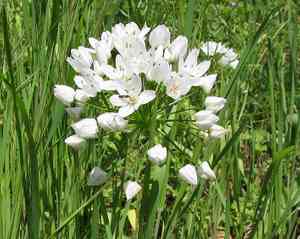
A perennial plant with a bulbous base, naples garlic thrives, displaying groups of white, star-like blossoms atop delicate stalks. To sustain its strength, snip off spent flower heads after flowering to deter unwanted self-propagation. Cut back the leaves solely once they turn yellow, indicating the relocation of nourishment to the bulbs. The most suitable times for trimming are late spring, summer, or autumn, following the blooming period. This practice prevents excessive density and fosters the development of larger flowers. Precise timing guarantees that energy is preserved for the subsequent growth cycle, thereby improving its general well-being and visual attractiveness.
What Are the Benefits of Pruning Naples Garlic?
What Are the Benefits of Pruning Naples Garlic?
Trimming naples garlic promotes more abundant flowering, encourages robust development, and helps maintain the plant's intended form. Strategic cuts can result in a fuller, healthier appearance, enhancing its beauty and vigor.
What Is the Best Time for Pruning Naples Garlic?
What Is the Best Time for Pruning Naples Garlic?
Trimming naples garlic from late spring to early summer aligns with its post-bloom phase. This timing allows for the removal of faded flowers, preventing the plant from expending energy on seed production, which can then be redirected to bulb development and overall plant strength. Post-flowering pruning also helps keep an attractive look as naples garlic foliage naturally yellows and wilts in summer. Seasonal trimming reduces the chance of disease spread common in wetter autumn conditions.
What Tools Do I Need to Prune Naples Garlic?
Bypass Pruners
Perfect for making precise cuts on naples garlic, bypass pruners ensure a clean, healthy incision without crushing plant tissues.
Shears
Suitable for trimming back foliage and spent blooms, shears allow the gardener to shape naples garlic and maintain a neat appearance.
Gloves
Wearing gloves protects a gardener's hands from cuts and potential skin irritants when working with naples garlic.
Garden Knife
A sharp garden knife is useful for detailed tasks, such as dividing naples garlic bulbs or carefully removing diseased sections.
How to Prune Naples Garlic
Disinfect Tools
Before beginning the trimming process, clean and sanitize all cutting implements to prevent the transmission of diseases to naples garlic.
Remove Diseased Leaves
Carefully inspect naples garlic for any indications of illness. If diseased leaves are found, cut them off at the base where the leaf stem meets the main plant to prevent further infection.
Trim Withered Leaves
Examine naples garlic for any dried or yellowing leaves. Gently remove these leaves from the plant to preserve its health and aesthetic appeal. Make the cut near the base of the leaf stalk.
Deadhead Flowers
Once the flowers of naples garlic have faded, use garden shears to snip off the spent flower heads. This will stimulate new growth and potentially a second flush of blooms.
Cleanup
After trimming naples garlic, ensure all removed plant material is collected and discarded to keep the area tidy and minimize disease risk.
Common Pruning Mistakes with Naples Garlic
Overpruning
Novices might cut back too much of naples garlic's foliage, potentially weakening the plant and hindering its ability to photosynthesize.
Blunt Tools
Using dull or dirty pruning tools can harm naples garlic's stems, creating jagged cuts susceptible to pests and diseases.
Improper Cut Location
Naples garlic benefits from precise trimming. Incorrectly placed cuts can damage the bulb or fail to encourage desired growth and flowering.
Pruning Healthy Growth
Removing healthy leaves or shoots can be a frequent error. This may unnecessarily stress naples garlic and deplete its energy reserves.
Neglecting To Prune
Some gardeners might skip trimming entirely, which can lead to naples garlic becoming leggy or overgrown, potentially impacting its blooming performance.
Common Pruning Tips for Naples Garlic
Sharp Tools
Ensure that pruning tools are sharp and clean to make precise cuts that naples garlic can recover from quickly and without undue stress.
Aesthetic Shaping
Trim naples garlic to maintain its natural form, which not only keeps it looking good but also promotes healthy growth and air circulation.
Deadheading
Remove spent flower stalks, which can encourage naples garlic to produce more blooms and prevent the plant from using its energy to produce seeds.
Follow Natural Growth
Observing naples garlic's growth pattern helps inform where to make cuts, thereby guiding how the plant should be trimmed to foster robust growth.
Correct Cut Angle
Making angled cuts just above the node can encourage new growth in the desired direction and help prevent water from collecting on the cut surface, reducing the risk of disease.



