How to Prune Giant onion?
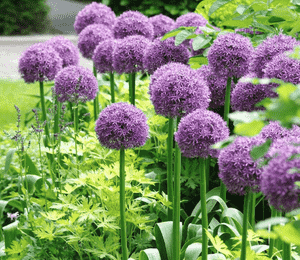
Distinguished by its impressive size and vivid blossoms, Allium giganteum requires very little trimming. After flowering, snip off faded flower stalks to foster bulb growth. During the initial part of spring or the latter part of winter, trim away any withered or compromised leaves. Trimming is advantageous for preserving the plant's visual appeal and robustness. Prompt elimination of foliage reduces the chance of illness and enables the plant to channel its resources toward robust development.
What Are the Benefits of Pruning Giant Onion?
What Are the Benefits of Pruning Giant Onion?
Trimming giant onion promotes robust development, directing vitality to healthy shoots and blooms. It also preserves an appealing form, boosting aesthetic appeal and garden layout.
What Is the Best Time for Pruning Giant Onion?
What Is the Best Time for Pruning Giant Onion?
These periods are considered ideal as they occur just before giant onion's growth cycle begins. Late winter pruning stimulates strong growth and helps eliminate any dead or damaged leaves before new growth emerges. Early spring offers a similar benefit, as cutting back the plant then allows for shaping without interrupting the flowering season, which typically happens in late spring to early summer. This timing ensures energy is channeled into developing healthy new growth, fostering a sturdy structure and abundant flowers. Pruning during dormancy also minimizes disease spread and plant stress.
What Tools Do I Need to Prune Giant Onion?
Hand Pruners
Perfect for deadheading giant onion flower stems due to their accuracy and ability to make clean cuts on the plant's relatively slender stalks.
Garden Scissors
Useful for trimming spent blooms and small, delicate shoots of giant onion, enabling careful snipping without harming adjacent stems.
Pruning Saw
Generally not required for giant onion, but can be useful for removing any large, woody stems that may develop over time or for cutting back clumps if division is necessary.
Shears
Suitable for shaping and managing the size of giant onion, especially when dealing with larger clusters or dense foliage.
Pruning Gloves
Crucial for safeguarding hands from giant onion's sap, which might cause skin irritation in some gardeners.
How to Prune Giant Onion
Step1: Post-Bloom Pruning Timing
Allow giant onion to complete its blooming cycle. Pruning should occur after the flowers have bloomed and begun to fade. The optimal time for pruning is late summer or early autumn following the flowering period.
Step2: Deadhead Spent Flowers
Begin with faded blooms. Gently grasp the stem below the spent flower head using your fingers or small pruning shears. Cut the stem just above the first set of healthy leaves to encourage new growth.
Step3: Remove Yellow and Damaged Leaves
Address discolored leaves. Locate any yellowed or damaged foliage. Remove these leaves by snipping them at their base where the leaf stem meets the main plant stalk, being careful not to harm nearby healthy growth.
Step4: Trim Dead and Dry Stalks
Prune withered stalks. Identify any dry or dead stems. Trim these dry stalks close to ground level, leaving a small portion of the stalk to protect the plant. This will facilitate healthy new growth in the subsequent growing season.
Step5: Clear and Compost Pruned Debris
Dispose of the removed plant matter. Collect all the dead flowers, yellow leaves, and dry stalks that have been pruned. Place them in a compost pile or green waste bin to prevent any potential disease spread in the garden.
Step6: Water Base Post-Pruning
Water giant onion appropriately after pruning. Ensure to irrigate the plant's base, avoiding overhead watering, to minimize the risk of fungal diseases that can exploit fresh pruning wounds.
Step7: Mulch After Pruning
Apply mulch to the base of giant onion after pruning. Spread a layer of organic mulch around the plant to help retain soil moisture, regulate soil temperature, and reduce weed growth.
Step8: Watch for New Growth
Monitor giant onion for new growth. In the weeks following pruning, observe giant onion for signs of new development. This indicates that giant onion has responded well to the pruning.
Post-Pruning Care for Giant Onion
Post-Pruning Care for Giant Onion
Immediately after trimming giant onion, water thoroughly to aid recovery. Maintain ideal conditions: partial to full sun exposure, well-drained soil, and temperatures between 50-70°F. Avoid high humidity to prevent rot. Apply a balanced fertilizer to replenish nutrients, promoting regrowth. Regularly inspect pruned areas for discoloration or wilting, indicating stress or infection. Act promptly by improving air circulation and reducing watering if such symptoms appear.
Common Pruning Mistakes with Giant Onion
Over-pruning Reduces Bulb Energy
Excessive pruning of giant onion, as removing too much foliage can diminish the energy available to the bulb, subsequently negatively affecting the plant's vigor and flowering potential.
Avoid Cutting Green Foliage Post-Flowering
Trimming green foliage after blooming, which is a critical period when giant onion is photosynthesizing and storing energy in the bulb for the next season.
Don't Prune Flower Stalks Before Yellowing
Cutting the flower stalks before they have fully yellowed and withered, which can deprive giant onion of the chance to self-seed, if that is desired.
Common Pruning Tips for Giant Onion
Prune After Leaves Yellow and Wither
Wait until giant onion's leaves yellow and wither before removing them, ensuring the plant has had ample time to store nutrients in the bulb for the subsequent growing season.
Remove Dried Stalks for Energy Concentration
Snip the flower stalks at the base once they have dried out if propagation through self-seeding is not desired, which helps maintain a neat appearance and focuses the plant's energy on the bulb.
Use Sharp, Clean Tools to Prevent Damage
Employ clean, sharp tools for pruning to prevent harming giant onion and to lessen the risk of disease transmission between plants.



