How to Prune Nodding onion?
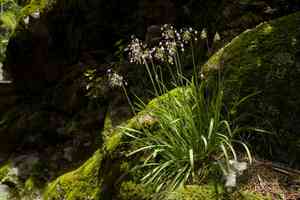
A perennial herbaceous plant featuring elegantly curved stalks and bunches of pendulous blossoms, nodding onion necessitates consistent removal of spent flowers to stimulate further blooming and inhibit self-propagation. Trimming back the foliage subsequent to flowering ensures neat development. The period from late winter to early spring is optimal for excising dead leaves, whereas after summer to autumn flowering is most suitable for deadheading. Pruning aids nodding onion by encouraging strong development and cultivating a more resilient, appealing specimen.
What Are the Benefits of Pruning Nodding Onion?
What Are the Benefits of Pruning Nodding Onion?
Trimming nodding onion promotes flowering, encourages vigorous development, and maintains its desired form. Cutting back faded blossoms can stimulate a second bloom, while removing stray shoots results in a tidier look and controls size.
What Is the Best Time for Pruning Nodding Onion?
What Is the Best Time for Pruning Nodding Onion?
Trimming or cutting back nodding onion in Late Spring, once the danger of frost has passed, fosters healthy growth and helps maintain an appealing shape. During Early Summer, pruning should be restricted to removing spent flowers to encourage new bulb growth and prevent undue stress during high temperatures. In the Fall, it's advantageous to prune before the first frost to eliminate any dead or diseased foliage, allowing nodding onion to conserve energy for winter dormancy and prepare for robust spring growth.
What Tools Do I Need to Prune Nodding Onion?
Bypass Pruners
Perfect for making precise cuts on nodding onion, enabling the removal of spent flowers and seed heads without harming the rest of the plant. Recommended for their sharp, scissor-like action which is less likely to cause bruising or tearing.
Gardening Shears
Useful for trimming back clumps of nodding onion foliage, especially after the leaves have yellowed and died back post-flowering. These shears offer a longer blade which can easily cut through multiple leaves at once.
Garden Scissors
Suitable for deadheading individual nodding onion flowers and for light shaping. The short blades provide control and precision, necessary for delicate work on nodding onion.
Handheld Snips
These are appropriate for minor thinning and tidying up nodding onion, allowing gardeners to reach into dense foliage without causing harm to the healthy parts of the plant.
How to Prune Nodding Onion
Disinfect Tools
Before beginning the pruning process, thoroughly clean and sanitize all cutting implements to prevent the spread of disease to nodding onion.
Remove Diseased Leaves
Carefully inspect nodding onion for indications of diseased foliage. Using your disinfected scissors or shears, cut away any diseased leaves at the base, ensuring a clean cut to avoid damaging nearby healthy tissue.
Trim Withered Leaves
Identify and remove withered or yellowing leaves by snipping them off at the base of the leaf where it connects to the main plant. This helps to direct the nodding onion's energy towards new growth and maintains the overall aesthetic.
Deadhead Flowers
Deadhead spent flowers by cutting the flower stalk down to the base of the plant or to the next healthy set of leaves. This can stimulate more flowering in nodding onion and also prevents self-seeding if not desired.
Dispose Of Debris
After pruning, collect and dispose of all removed plant material from around nodding onion to minimize the risk of disease or pests. Ensure the area is clear and the remaining plant is well-spaced and ventilated.
Common Pruning Mistakes with Nodding Onion
Over-Pruning
Removing too much foliage from nodding onion, which can stress the plant and impede its ability to thrive.
Cutting Too Close
Trimming the stems of nodding onion too close to the bulb can damage the plant's structural integrity.
Pruning During Blooming
Incorrectly timing the pruning of nodding onion during its blooming period can prevent flower development for the season.
Using Dull Tools
Utilizing unsharpened or dirty cutting tools can lead to jagged cuts and increase the risk of infection for nodding onion.
Neglecting Deadheads
Failure to remove spent blooms, or deadheading, can result in nodding onion expending unnecessary energy on seed production rather than vegetative growth and future blooms.
Common Pruning Tips for Nodding Onion
Correct Technique
Use a sharp, clean pair of gardening shears for nodding onion and make clean cuts to avoid damaging the plant tissues.
Post-Bloom Pruning
Trim back nodding onion after the plant has finished flowering to encourage better growth and blooming in the next season.
Moderate Pruning
Prune sparingly, removing only dead or weak stems to maintain the natural shape of nodding onion and avoid over-stressing the plant.
Sanitation
Regularly disinfect pruning tools before and after working with nodding onion to prevent the spread of disease.
Deadheading
Carefully remove spent flowers of nodding onion just below the flower head to redirect the plantâs energy towards growth and next year's blooms.



