How to Prune Onion?
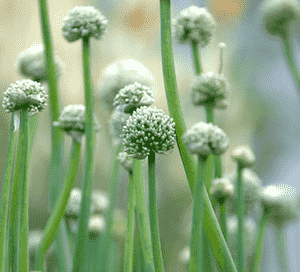
A perennial plant with a bulbous base, onion is recognized for its stratified, edible bulbs and hollow, cylindrical leaves. Throughout the year, trim away any withered or ailing foliage to preserve its well-being. In the initial stage of development, reduce the number of seedlings to prevent excessive density, which facilitates improved air movement and bulb formation. The most suitable time for trimming is from late winter to early spring, prior to the emergence of new shoots. Trimming benefits onion by hindering the dissemination of diseases and fostering vigorous development.
What Are the Benefits of Pruning Onion?
What Are the Benefits of Pruning Onion?
Trimming onion promotes strong root systems and upper growth, leading to a higher yield. By selectively removing plant parts, air circulation and light penetration improve, preventing fungal issues and ensuring a healthy, well-formed onion.
What Is the Best Time for Pruning Onion?
What Is the Best Time for Pruning Onion?
These periods are considered ideal for trimming onion because the plant is dormant or just beginning its growth cycle. Late winter pruning ensures that any accumulated dead or diseased leaves that could harbor pests or pathogens are removed before new growth starts. In early spring, as onion emerges from the soil, it allows gardeners to shape the plant and remove any winter-damaged tissue, setting the stage for healthy development. During these times, the plant is less prone to stress and can recover quickly, ensuring energy is directed towards robust growth in the upcoming season. Furthermore, pruning before warmer weather minimizes sap loss, which can occur in actively growing plants, and reduces the likelihood of infection from cuts.
What Tools Do I Need to Prune Onion?
Garden Scissors
Small and sharp, garden scissors are perfect for trimming the green tops of onion, maintaining plant health, and encouraging bulb growth.
Hand Pruners
Also known as secateurs, hand pruners provide a clean cut that can be used when thinning onion seedlings for proper spacing, or for harvesting.
Sharp Knife
A sharp knife is useful for cutting the roots from the bulbs of onion during harvest, ensuring minimal damage to the bulb.
How to Prune Onion
Step1: Inspecting and Identifying Yellow Leaves
Examine onion for any yellow leaves. These are leaves that are dying or have died and are no longer beneficial for the plant's growth. Carefully select the leaves that are predominantly yellow, ensuring they are not just temporarily wilted from lack of water.
Step2: Trimming Yellow Leaves with Sterilized Tools
Using a pair of clean, sharp scissors or pruning shears, snip the yellow leaves off as close as possible to the base of onion, without harming the surrounding healthy tissue. Disinfect your tools before and after use to prevent the spread of disease.
Step3: Locating Withered Branches for Removal
Examine onion for any withered branches or sections that appear dried out, limp, and lifeless. These parts can no longer contribute to the plant's health and should be removed to prioritize growth in the healthy sections.
Step4: Pruning Dead Branches at Healthy Junctions
Prune the withered branches by making clean cuts at the point where they meet healthy, green growth. Do not leave stubs as they can invite disease and pest issues. Use the same disinfection precautions for your tools as in Step 2.
Step5: Detecting and Addressing Plant Bolting
Identify any seed stalks that onion may have developed. Seed stalks or 'bolting' occurs when onion starts to produce a flower stalk. This is a sign that the plant is shifting energy from bulb development to flowering and seed production, which is not ideal when the goal is bulb growth.
Step6: Redirecting Energy by Removing Seed Stalks
Pinch or cut off the seed stalks as close to their base as possible. Doing this helps redirect the onion's energy back towards bulb development rather than flowering and seed production. Use the same careful, sterile technique with your tools.
Step7: Disposing of Pruning Debris to Prevent Pests
Clean up all pruning debris from around onion to prevent pests and diseases from colonizing the decaying plant material. Dispose of the debris in your compost bin or as advised by local regulations.
Step8: Regular Monitoring for Pruning Needs
Monitor onion regularly for any further signs of yellowing leaves, withered branches, or seed stalk development, and repeat the pruning process as necessary to maintain the health and productivity of your onion.
Step9: Post-Pruning Care with Water and Fertilizer
After pruning, water onion adequately to reduce stress and provide a balanced fertilizer to support strong regrowth where necessary.
Post-Pruning Care for Onion
Post-Pruning Care for Onion
Immediately after trimming onion, ensure the cut areas are clean to avoid infection. Maintain optimal environmental conditions, with ample sunlight, stable temperatures between 13-25°C, and moderate humidity. Post-pruning, onion will benefit from a balanced fertilizer to support regrowth. Regularly inspect onion for signs of stress, such as wilting or discoloration. If symptoms appear, adjust care accordingly and consider applying a fungicide or insecticide if infection or pest presence is detected.
Common Pruning Mistakes with Onion
Over-Pruning and Removing All Greenery
Trimming too much or cutting off all green foliage, which is crucial for onion's photosynthesis and energy production.
Only Tipping Leaves and Creating Wounds
Removing only the tips of the leaves, which can cause more harm than good by creating unnecessary wounds that could lead to disease.
Pruning with Uncleaned Tools, Spreading Pathogens
Pruning without cleaning tools first, potentially spreading pathogens to onion and between other plants in the garden.
Early Flower Stalk Pruning Preventing Seed Formation
Pruning the flower stalks too early, which can prevent the formation of seeds if seed production is desired.
Ignoring Underlying Health Issues of onion
Ignoring the health of the plant by pruning diseased or pest-infested foliage without addressing the underlying problem, which can stress onion.
Common Pruning Tips for Onion
Precise Cuts with Clean, Sharp Tools
Use sharp, clean tools to make precise cuts, which help onion recover more quickly and reduce the risk of disease.
Prompt Removal of Damaged or Dead Foliage
Remove any diseased, damaged, or dead foliage promptly, as this helps maintain the health and appearance of onion.
Post-Bloom Stalk Cutting to Redirect Energy
Cut back the flower stalks after blooming if you do not require seeds, allowing onion to put energy back into bulb growth.
Thinning onion for More Bulb Growth Space
When thinning onion, remove some of the plants to allow the remaining ones more space and resources to grow larger bulbs.
Cutting Flopping Green Tops While Preserving Photosynthesis
Prune or cut back the green tops of onion if they are flopping over severely, but ensure to leave enough foliage for photosynthesis and continued nourishment of the bulbs.



