How to Prune Wild onion?
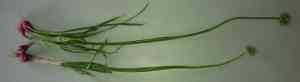
Wild garlic, recognized for its bulb-forming nature and fragrant leaves, necessitates precise trimming to foster robust development. Essential methods involve eliminating withered or discolored foliage and severing flower stems after flowering to redirect vitality toward bulb expansion. The most suitable periods for pruning are during spring and summer, coinciding with its peak growth phases. Consistent trimming improves air movement, lowers the chance of illness, and boosts general strength. Always employ sanitized, keen implements to avert harm and contamination.
What Are the Benefits of Pruning Wild Onion?
What Are the Benefits of Pruning Wild Onion?
Trimming wild onion promotes robust development and maintains its desired form. By eliminating overgrown or dead foliage, it fosters healthier, stronger shoots, enhancing overall vigor and look.
What Is the Best Time for Pruning Wild Onion?
What Is the Best Time for Pruning Wild Onion?
Trimming wild onion in Spring allows gardeners to remove any winter-damaged or dead foliage, encouraging healthier growth and better energy distribution as the plant exits dormancy. Summer pruning, conversely, is ideal for shaping wild onion after its initial vigorous spring growth. This timing also aids in managing the plant's size and promotes the development of more robust bulbs by the end of the growing season. Pruning during these seasons aligns with wild onion's natural growth cycle, ensuring minimal plant stress and maximizing health and productivity.
What Tools Do I Need to Prune Wild Onion?
Hand Pruners or Secateurs
Perfect for making precise cuts on wild onion, hand pruners or secateurs are vital for removing dead or damaged foliage without harming the rest of the plant. These tools enable targeted snipping, which is ideal for maintaining wild onion's health and appearance.
Garden Shears
Useful for efficiently trimming clusters of wild onion leaves. Garden shears are excellent for shaping and controlling wild onion's size, especially during active growing seasons. They provide neat and even cuts, which help promote bushier growth.
Scissors
Regular scissors can be used for light pruning tasks, such as deadheading or harvesting small amounts of wild onion. They are perfect for smaller, more precise jobs requiring a delicate touch.
How to Prune Wild Onion
Identify
Examine wild onion carefully to locate any diseased or withered leaves, as well as affected stems. These typically appear discolored, shriveled, or show visible signs of fungal infection or pest damage.
Sterilize
Before beginning the pruning process, sterilize all pruning tools with alcohol or a bleach solution to prevent disease transmission between plants.
Remove leaves
Using clean, sharp scissors or secateurs, carefully trim off diseased and withered leaves at their base, close to the stem. Ensure cuts are clean and avoid tearing, which can cause more damage to wild onion.
Prune stems
Cut back diseased stems of wild onion by making cuts at least a few inches below the affected area into healthy tissue. If an entire stem is affected, it may need to be removed completely to the base.
Cleanup
After pruning, clear away all removed plant material from around wild onion to prevent diseases from lingering or spreading. Dispose of diseased material properly, not composting it to avoid reinfection.
Common Pruning Mistakes with Wild Onion
Overpruning
Removing too much foliage from wild onion can weaken the plant. It's essential to limit pruning to dead or diseased parts to maintain the plant's vitality.
Improper tool use
Using dull or unclean tools can damage wild onion's tissues, leading to poor growth or infections. Always use sharp, clean tools to make clean cuts.
Incorrect cut locations
Cutting too close or too far from the bulb can prevent wild onion from properly healing and regrowing. Ensure cuts are made at an appropriate distance to promote healthy regrowth.
Common Pruning Tips for Wild Onion
Sanitize tools
Before pruning wild onion, sanitize your tools to prevent disease spread. This can be done using a bleach or alcohol solution.
Remove only necessary parts
Focus on removing only the dead or diseased foliage. This helps prevent stress to wild onion while encouraging healthier, more vigorous growth.
Post-pruning care
After pruning, provide wild onion with suitable care such as adequate water and possibly a light fertilizer to support recovery and robust growth.



