How to Prune Dyer's alkanet?
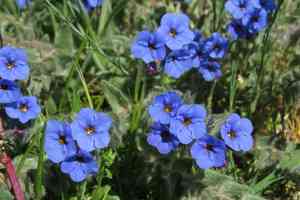
This perennial herb is prized for its subterranean parts, which serve as a coloring agent. For dyer's alkanet, deadhead spent blooms to stimulate fresh development. Cut back after blossoming to preserve its form and foster strong vitality. Spring trimming revitalizes the specimen, whereas summer and autumn pruning refine its look and deter uncontrolled propagation. Refrain from severe cutting to safeguard the root structure, which is crucial for the plant's pigment qualities. Consistent, gentle pruning boosts its strength and capacity for blooming.
Advantages of Trimming Dyer's Alkanet
Advantages of Trimming Dyer's Alkanet
Trimming dyer's alkanet promotes more vivid blossoms, stimulates robust development, and maintains the plant's desired form. This crucial maintenance practice ensures dyer's alkanet stays healthy and visually appealing.
Optimal Period for Trimming Dyer's Alkanet
Optimal Period for Trimming Dyer's Alkanet
Trimming dyer's alkanet is best performed in Spring before new growth emerges, as this allows for the removal of winter damage and encourages strong new development. Early Summer is also suitable, especially after flowering, to shape the plant and manage its size without affecting the current year's blooms. Fall pruning is beneficial for removing spent flowers and any diseased or damaged foliage, thus preparing dyer's alkanet for winter. Pruning during these seasons aligns with dyer's alkanet's natural growth cycle, ensuring it remains healthy and vigorous while not disrupting its blooming period.
Necessary Tools for Trimming Dyer's Alkanet
Bypass Pruners
Perfect for making clean, precise cuts, which is vital to prevent harm to dyer's alkanet's stems. Bypass pruners operate like scissors with two sharp blades 'passing by' each other to deliver a neat cut. They are suitable for slicing through the relatively soft, green stems of dyer's alkanet without crushing tissue.
Gardening Gloves
Protects hands from potential irritants found on dyer's alkanet, while offering a better grip on the pruning tool. This safety measure is advised given the dye properties that dyer's alkanet might possess.
Pruning Saw
Can be utilized for older, woodier stems of dyer's alkanet that have developed over time. The saw is designed to cut through thicker branches that are too large for pruners to handle. It enables gardeners to control the shape and manage the size of dyer's alkanet.
Garden Shears
Appropriate for trimming and shaping the softer foliage of dyer's alkanet. Shears can be used for quicker shaping of the plant when a more manicured form is desired. They allow for the cutting of multiple stems at once, fostering a bushier growth habit.
How to Trim Dyer's Alkanet
Sanitize tools
Before beginning, ensure all pruning tools are clean and sharp to prevent disease spread and make precise cuts.
Remove diseased parts
Identify and carefully remove any diseased leaves from dyer's alkanet using pruning shears. Cut away the entire leaf, including the leaf stem, to prevent infection spread.
Trim withered leaves
Snip off withered leaves close to dyer's alkanet's base to encourage healthy growth and improve air circulation around the plant.
Deadhead flowers
Remove spent flowers by snipping them off at their base to encourage dyer's alkanet to produce new blooms and prevent self-seeding if not desired.
Collect waste
After trimming, gather all removed material and dispose of it properly, especially diseased leaves, to prevent any fungal spores or pests from affecting dyer's alkanet further.
Common Trimming Errors with Dyer's Alkanet
Excessive trimming
Removing too much foliage can stress dyer's alkanet, hindering its ability to photosynthesize and grow healthily. It's crucial not to prune more than one-third of the plant at a time.
Cutting into old wood
Trimming into the old, hardened wood of dyer's alkanet can prevent new growth since this plant may not readily produce new shoots from old stems. Focus on younger, green growth instead.
Incorrect tool usage
Using dull or dirty tools can cause jagged cuts and introduce disease to dyer's alkanet. Always use clean, sharp pruning shears.
Ignoring plant shape
Failing to consider dyer's alkanet's natural growth habit can result in an unnatural or unbalanced shape. Prune with the plant's natural form in mind.
General Trimming Advice for Dyer's Alkanet
Selective trimming
Carefully choose the stems to trim, focusing on removing only dead, damaged, or diseased wood to maintain dyer's alkanet's health and appearance.
Encourage flowering
Cutting back the spent blooms of dyer's alkanet can encourage a second flush of flowers, enhancing the plant's overall look.
Maintain plant size
Regular light trimming can help control dyer's alkanet's size, keeping it compact and manageable without compromising its health.
Support air circulation
Thin out dense growth to promote better air circulation throughout dyer's alkanet, reducing the risk of fungal infections and pests.



