How to Prune David's alchornea?
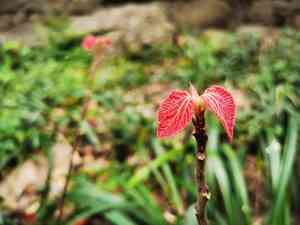
This robust, leaf-shedding shrub, recognized for its durability and vivid leaves, greatly thrives with consistent trimming. The ideal period for pruning david's alchornea is in the early spring or late winter, right before fresh shoots begin to emerge. Pruning methods ought to concentrate on excising dead or ailing limbs, reducing crowded sections to enhance light access and air movement, and sculpting for visual attractiveness. Trimming not only preserves david's alchornea's form but also fosters more vigorous development and heightened resistance to infestations and illnesses.
What Are the Advantages of Trimming David's Alchornea?
What Are the Advantages of Trimming David's Alchornea?
Trimming david's alchornea encourages robust development and assists in maintaining a desired shape, ensuring a well-formed and visually appealing look.
When Is the Optimal Time for Trimming David's Alchornea?
When Is the Optimal Time for Trimming David's Alchornea?
Trimming david's alchornea in late winter or early spring is ideal as the plant is typically dormant. This timing precedes the new spring growth, allowing david's alchornea to direct energy into developing new shoots and leaves post-trimming. Pruning during these seasons also minimizes the risk of david's alchornea contracting pruning-related ailments, as many pathogens are less active in cooler weather. Furthermore, the absence of foliage at this time offers better visibility for making precise cuts, leading to a healthier structure for david's alchornea. These seasons avoid cutting off flowering or fruiting wood, which could diminish david's alchornea's ornamental and reproductive performance. This careful timing ensures that david's alchornea's natural growth cycle is supported, fostering strong health and vigorous growth in the upcoming season.
What Equipment Do I Need to Trim David's Alchornea?
Hand Pruners
Perfect for making precise cuts on david's alchornea's smaller branches and twigs. Opt for bypass pruners that create clean cuts, vital for the plant's health and recovery.
Loppers
Useful for cutting larger branches of david's alchornea that hand pruners cannot handle. Loppers provide the necessary leverage for clean cuts on branches up to 1 1/2 inches in diameter.
Pruning Saw
For david's alchornea's thickest branches, a pruning saw is essential. Its sharp teeth can manage branches over 1 1/2 inches thick, making it a crucial tool for controlling david's alchornea's growth.
Hedge Shears
If david's alchornea is grown as a hedge or needs shaping, hedge shears are suitable for trimming and shaping the foliage due to their long blades and ability to create straight, even cuts.
How to Trim David's Alchornea
Clean tools
Before beginning, ensure all trimming tools are clean and sharp to prevent disease spread and make clean cuts on david's alchornea.
Remove diseased leaves
Carefully remove all diseased leaves from david's alchornea by cutting them at the petiole's base, using precision pruners to avoid harming healthy parts.
Remove withered leaves
Identify and trim away withered leaves from david's alchornea using the same method as for diseased leaves, cutting them at the base to encourage healthy growth.
Cut dead branches
Locate and remove dead branches by making cuts on david's alchornea just above healthy buds or lateral branches, ensuring no stubs are left, which can lead to disease.
Prune diseased branches
For diseased branches on david's alchornea, cut well below the affected area into healthy tissue to ensure all diseased parts are removed, disinfecting your tools after each cut.
Common Trimming Errors with David's Alchornea
Over-trimming
Removing too much foliage can stress david's alchornea, making it susceptible to diseases and stunted growth.
Incorrect cut placement
Cutting too far from or too close to the node can hinder proper healing or new growth.
Using dull tools
This can damage branches, creating jagged cuts more prone to disease.
Trimming without purpose
Random or unnecessary cuts can negatively impact david's alchornea's health and growth patterns.
Neglecting hygiene
Failing to clean tools before and after use can spread diseases from infected plants to healthy ones.
General Trimming Advice for David's Alchornea
Sharp tools
Ensure trimming tools are sharp to make clean cuts that heal quickly and reduce disease risk.
Consider growth form
Trim to maintain david's alchornea's natural shape, only removing dead, damaged, or crossing branches.
Thin crowded areas
Thinning dense areas of the plant improves air circulation and light penetration, promoting a healthier growth structure.
Trim at correct angle
Cuts should be made at a 45-degree angle just above outward-facing buds to encourage proper growth direction.
Post-trimming care
After trimming, apply a light layer of mulch and ensure david's alchornea has adequate water, especially in dry conditions, to aid recovery.



