How to Prune Lady's mantle?
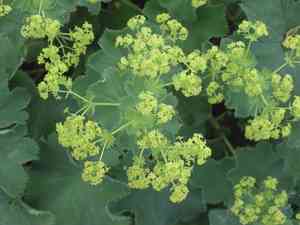
Celebrated for its distinctive fan-like, lobed foliage and small, star-shaped yellow-green blossoms arranged in open groupings, Alchemilla mollis demands little upkeep. After blooming, trim withered flowers to encourage robustness and inhibit self-propagation, and reduce the plant in late autumn to neaten the groupings. The ideal period for trimming extends from spring through autumn, focused on eliminating aged, discolored leaves and fostering fresh development. Trimming improves the plant's aesthetic, promotes vibrant foliage, and preserves a dense, appealing shape.
What Are the Benefits of Pruning Lady's Mantle?
What Are the Benefits of Pruning Lady's Mantle?
Trimming lady's mantle promotes abundant flowering by eliminating faded blossoms, which encourages more blooms. It also sustains the plant's vitality, ensuring lady's mantle grows thickly and robustly. Shaping lady's mantle through pruning keeps it within desired limits, enhancing its mounded form and preventing excessive growth.
What Is the Best Time for Pruning Lady's Mantle?
What Is the Best Time for Pruning Lady's Mantle?
In late spring, once the danger of frost has passed, lady's mantle has typically finished its primary flowering period and can be trimmed to remove spent flowers and to shape the plant, which stimulates a second, though less prolific, bloom and fresh leaf development. Summer trimming might be necessary to remove any damaged or diseased foliage and to maintain the plant's size and look, which is especially crucial as lady's mantle can spread aggressively. Early autumn is an acceptable time to cut back the plant as well, particularly to remove any old or discolored leaves and to prepare lady's mantle for winter by reducing the amount of decaying plant material that could harbor pests or diseases. However, pruning should be finished well before the first frost to prevent harm to the plant. It's wise to avoid heavy pruning in late autumn as this can trigger new growth that is susceptible to winter cold.
What Tools Do I Need to Prune Lady's Mantle?
Bypass Pruners
Perfect for making clean cuts on lady's mantle's tender stems, ensuring rapid recovery.
Pruning Shears
Suitable for trimming lady's mantle's smaller stems and deadheading faded flowers to encourage new growth.
Garden Scissors
Lady's mantle requires precise cuts to shape the plant or to harvest leaves; garden scissors provide the necessary control.
How to Prune Lady's Mantle
Cleaning Tools
Before beginning, clean and sanitize all cutting implements to prevent the spread of disease to lady's mantle.
Diseased Leaves
Carefully inspect lady's mantle for diseased leaves. Using sharp, clean shears, cut away any leaves that show signs of illness, making sure to remove them from the garden to avoid further contamination.
Withered Leaves
Identify withered or dead leaves on lady's mantle and trim them at the base where the leaf stem meets the main plant. This will enhance the appearance and encourage healthy new growth.
Withered Flower
Cut back withered flower stems of lady's mantle to the base of the flower stalk. Doing this after flowering can prompt a second bloom and tidy up the plant.
Cleanup
Once pruning is completed, gather all removed foliage and flower material and dispose of it away from your garden to deter pests and diseases.
Common Pruning Mistakes with Lady's Mantle
Overpruning
Removing too much foliage or too many stems at once can weaken lady's mantle and reduce its ability to thrive. Stick to removing only what is necessary.
Incorrect Cutting
Making cuts too close to the main stem or too far from the bud can hinder healing and promote disease. Cuts should be made at a 45-degree angle just above a leaf node or bud.
Pruning Healthy Growth
Removing healthy leaves and flower stems can limit lady's mantle's growth and potential for flowering. Focus on dead or damaged foliage instead.
Neglecting To Sanitize
Failing to clean pruning tools before use can introduce pathogens to lady's mantle, risking infection. Sanitize tools before and between cuts to maintain plant health.
Ignoring Plant Shape
Random or asymmetrical pruning without considering the plant's natural shape can result in a less aesthetically pleasing appearance. Aim to maintain the shape while pruning.
Common Pruning Tips for Lady's Mantle
Target Dead Foliage
Focus on removing dead or dying leaves and spent flower stems to promote new growth and improve air circulation within lady's mantle.
Encourage Reblooming
Trimming off faded flowers can stimulate lady's mantle to produce a secondary flush of blooms. Deadhead regularly during the blooming season.
Thin Out
Lightly thin dense growth to allow light and air to reach the center of the plant. This can help prevent disease and encourage a fuller growth habit.
Shape Control
Carefully shape lady's mantle by pruning errant or overgrown stems to maintain a rounded, mounded form that is characteristic of the species.
Sequential Snipping
Rather than cutting large pieces off at once, make several smaller cuts to gradually shape lady's mantle. This approach allows for more control over the final appearance and health of the plant.



