How to Prune Woman's tongue?
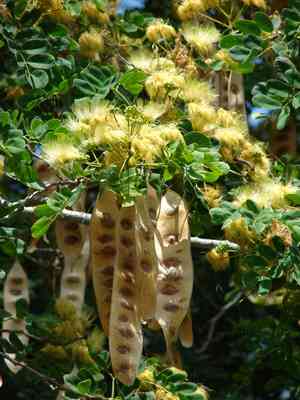
This leafy tree, recognized by its expansive canopy and aromatic yellow blossoms, benefits from trimming to preserve its form, dimensions, and vitality. Essential methods for woman's tongue involve reducing dense branches, eliminating deceased or ailing wood, and shortening limbs that obstruct pathways or constructions. The most effective pruning should occur in late winter to early spring while the tree is inactive, to lessen strain and the loss of sap. Trimming at this time also encourages robust spring development and blooming.
What Are the Benefits of Pruning Woman's Tongue?
What Are the Benefits of Pruning Woman's Tongue?
Trimming woman's tongue promotes robust development and maintains its form, crucial for both visual appeal and plant well-being. Strategic cuts help stimulate new growth, balance the structure, and ensure the plant's shape remains attractive and manageable.
What Is the Best Time for Pruning Woman's Tongue?
What Is the Best Time for Pruning Woman's Tongue?
Pruning woman's tongue in late winter or early spring coincides with its dormant phase, just before the growth cycle begins. This timing prevents undue stress on woman's tongue, allowing it to recover quickly and direct energy into new growth as warmer temperatures arrive. Additionally, woman's tongue's structure is more visible without leaves, making selective pruning more effective. Pruning during these seasons minimizes the risk of disease and pest infestation, as their activity is lower in cooler weather. It also avoids removing buds or flowers that typically develop later in spring, thus not affecting woman's tongue's flowering season.
What Tools Do I Need to Prune Woman's Tongue?
Hand Pruners
Perfect for making precise cuts on smaller branches of woman's tongue, ensuring a healthy recovery.
Loppers
Offer leverage for cutting thicker branches of woman's tongue up to two inches in diameter, vital for shaping and maintaining the tree.
Pruning Saw
Required for cutting branches over two inches thick that loppers cannot handle, enabling the removal of larger limbs of woman's tongue.
Pole Pruner
Allows the gardener to reach higher branches without a ladder, promoting safe pruning practices for woman's tongue.
Hedge Shears
Useful for shaping and controlling the overall form of woman's tongue when utilized for hedge or screen purposes.
How to Prune Woman's Tongue
Identify
Thoroughly inspect woman's tongue to locate all dead and diseased branches. Dead branches will lack leaves or show signs of dry, brittle wood. Diseased branches may exhibit discoloration, fungi, or other visible signs of plant pathology.
Disinfect
Before cutting, sanitize all pruning tools with a bleach or alcohol solution to prevent the spread of disease to healthy parts of woman's tongue.
Cut
Use sharp, clean pruning shears to remove dead branches at their origin point or back to a healthy lateral branch. When removing diseased branches, prune several inches below the infected area to ensure all diseased tissue is eliminated.
Pruning Angle
Make all cuts at a 45-degree angle to deter water accumulation and encourage healing. Ensure the angle is away from the bud or main stem to prevent water pooling on the surface.
Clean Up
Gather and dispose of all pruned material in a manner that prevents disease spread (do not compost diseased material). Clean the tools again after pruning is finished.
Common Pruning Mistakes with Woman's Tongue
Overpruning
Removing excessive foliage from woman's tongue, which can stress the plant, diminish its vigor, and lessen its aesthetic appeal.
Improper Cut Placement
Cutting too close to the main stem can harm the collar, leading to poor wound healing and potential disease entry. Conversely, leaving too long a stub can also hinder proper healing.
Tearing Bark
Pruning with dull tools can cause bark to tear, resulting in unnecessary damage and potential entry points for pests and diseases.
Flush Cutting
Making flush cuts against the main trunk or another branch, as this can remove the branch collar and harm woman's tongue's natural healing processes.
Ignoring Dead Wood
Not removing dead or diseased wood can attract pests and diseases, and impede woman's tongue's overall health and growth.
Neglecting To Disinfect
Failing to sanitize tools between cuts, especially when moving from a diseased part to a healthy one, can spread pathogens.
Random Cutting
Randomly cutting branches without understanding woman's tongue's growth habit can lead to an undesirable shape and reduced flowering.
Common Pruning Tips for Woman's Tongue
Sharp Tools
Always use sharp, clean pruning tools to make precise cuts on woman's tongue and minimize the risk of tearing or disease.
Diagnose Before Pruning
Inspect woman's tongue thoroughly and identify which branches need to be cut due to damage, disease, or to improve the plant's shape.
Gradual Pruning
If significant reduction is necessary, spread the pruning over a few seasons to reduce stress on woman's tongue.
Cut Angle
Cut branches at a 45-degree angle, leaving a slight collar for optimal healing and to prevent water accumulation, which could lead to rot.
Correct Size Removal
Remove branches that are less than one-half the diameter of the parent branch to preserve woman's tongue's natural scaffold and health.
Thinning Over Topping
Favor thinning out the canopy rather than topping, as thinning allows light into the lower branches without stimulating rampant sucker growth associated with topping.
Cleanliness
Keep all pruning tools clean and consider disinfecting them with a solution of one part bleach to nine parts water between cuts if disease is present.
Post-Pruning Care
After pruning woman's tongue, ensure proper care like watering and fertilization to help the plant recover and flourish.



