How to Prune Persian silk tree?
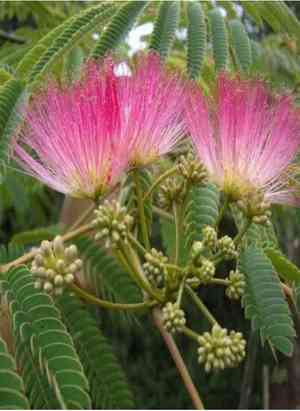
A deciduous tree recognized for its delicate pink blossoms, Albizia julibrissin thrives with regular trimming to sculpt its form and stimulate robust development. Essential methods involve excising deceased or frail limbs, reducing the density of the crown, and shortening elongated stems. The most favorable period for pruning is in late winter or early spring, prior to the emergence of fresh foliage. Important aspects include refraining from excessive pruning to preserve its inherent shape. Appropriate trimming boosts bloom production, elevates the plant's vitality, and diminishes the likelihood of ailments.
What Are the Benefits of Pruning Persian Silk Tree?
What Are the Benefits of Pruning Persian Silk Tree?
Trimming persian silk tree promotes robust development and helps maintain its decorative form, ensuring a vigorous, visually appealing structure.
What Is the Best Time for Pruning Persian Silk Tree?
What Is the Best Time for Pruning Persian Silk Tree?
These periods are considered ideal for trimming persian silk tree because the plant is dormant during winter, with its growth cycle paused. Pruning in late winter before any new growth appears allows the plant to recover without diverting energy from its growth. Early spring pruning is also suitable for removing frost-damaged or diseased branches before the plant enters its rapid growth phase. Additionally, pruning before new leaves and flowers emerge enables the plant to direct energy towards producing a stronger structure and abundant blooms.
What Tools Do I Need to Prune Persian Silk Tree?
Hand Pruners
For precise cuts on smaller branches of persian silk tree, ensuring clean and healthy growth.
Loppers
For reaching higher branches and making cuts on branches up to 1.5 inches in diameter, especially useful for shaping persian silk tree.
Pruning Saw
For cutting through larger branches that hand pruners or loppers cannot handle, enabling controlled removal of larger limbs.
Pole Pruner
For safely pruning higher branches without the need for a ladder, making the maintenance of persian silk tree's upper structure more manageable.
Hedge Shears
For shaping the outer edges and creating a formal appearance if persian silk tree is being utilized as a hedge or screen.
How to Prune Persian Silk Tree
Step1: Assess Plant Health
Evaluate the condition of persian silk tree, focusing on branch health, canopy density, and the presence of any dead or unhealthy wood. This initial review will guide your trimming process.
Step2: Prepare Pruning Tools
Gather necessary tools such as sharp, clean pruning shears or loppers for smaller branches, and a pruning saw for larger ones. Sterilize tools before use, and between cuts on different trees, to prevent disease spread.
Step3: Remove Dead Wood
Start by removing any dead wood. Make cuts at a slight angle, approximately 1/4 inch above a healthy bud or branch, being careful not to damage the collar (the slightly swollen area where the branch joins the trunk) which is important for proper healing.
Step4: Cut Sick Branches
Identify and remove any sick or diseased branches. To determine if a branch is unhealthy, look for discolored bark, fungal growth, or an unusual lack of leaves. Make clean cuts, as you did with the dead wood, to prevent further disease spread.
Step5: Thin Canopy Density
Thin out the overgrown canopy to improve light penetration and air circulation. Selectively prune branches that are crossing or rubbing against others, those growing inward toward the center of the tree, and any that disrupt the desired shape of the canopy.
Step6: Guide Growth Direction
When thinning the canopy, focus on cutting back branches to a lateral branch or a bud that points in the direction you want the persian silk tree to grow. This will influence the growth pattern and overall shape of the tree.
Step7: Check Plant Shape
After major cuts, step back to examine the shape of persian silk tree. Look at the overall form and balance. Make any additional corrective cuts to maintain a natural, healthy shape.
Step8: Dress Large Wounds
Seal any cuts larger than 2 inches in diameter with tree wound dressing to assist in the healing process and prevent infection.
Step9: Clear Debris
Clean up all removed branches and debris from around the persian silk tree to prevent any disease or pests from finding a habitat.
Step10: Water After Pruning
Water persian silk tree well after pruning to support recovery, especially if the weather is dry. Mulch the base of persian silk tree to conserve moisture and provide a slow release of nutrients.
Step11: Monitor Post-Pruning
Monitor persian silk tree over the following weeks for signs of stress or disease. Additional watering or fertilization may be needed as the persian silk tree recovers from pruning.
Step12: Annual Pruning Schedule
Plan to repeat this pruning process annually in late winter or early spring, before the new growth begins, as this is the best time to prune persian silk tree without hindering its flowering and growth.
Post-Pruning Care for Persian Silk Tree
Post-Pruning Care for Persian Silk Tree
Immediately after trimming persian silk tree, provide a gentle watering to help the plant focus on healing. Optimize light exposure, ensuring persian silk tree receives full sun to partial shade. Maintain consistent humidity and stable temperatures, avoiding extremes. Apply a balanced, slow-release fertilizer to support new growth, but avoid over-fertilization which can stress the plant. Regularly inspect the pruned areas for signs of disease or pests, intervening promptly with appropriate treatments if necessary. These steps will aid in persian silk tree's healthy recovery and vigorous regrowth.
Common Pruning Mistakes with Persian Silk Tree
Avoid Over-pruning and Weakening Plants
Excessive pruning: Gardeners can mistakenly remove too much foliage from persian silk tree, weakening the plant and reducing its ability to photosynthesize effectively.
Correct Cutting Technique Avoids Disease
Improper cuts: Making cuts that are either too close or too far from the branch collar can lead to poor healing and may invite disease or pests.
Remove Unhealthy Wood to Stop Disease Spread
Neglecting to remove dead or diseased wood: Failing to remove unhealthy branches can lead to the spread of disease and compromise the aesthetic and health of persian silk tree.
Prune with Purpose for Plant Health
Pruning without a clear objective: Randomly cutting branches without considering the plant's shape and health can lead to imbalanced growth and diminished flowering.
Prevent Disease with Clean Pruning Tools
Using unclean tools: Pruning with dirty tools may transfer diseases from infected plants to healthy ones, including persian silk tree.
Do Not Top Trees; Encourages Weak Growth
Topping the tree: Cutting the top off of persian silk tree can lead to weak, spindly growth and damage the overall structure of the tree.
Common Pruning Tips for Persian Silk Tree
Use Sharp, Clean Tools for Healthy Cuts
Use sharp, clean tools to ensure clean cuts that heal quickly and prevent the transmission of disease to persian silk tree.
Proper Angle Cuts Direct New Growth
Make cuts at a 45-degree angle just above a bud or branch junction to encourage healthy new growth in the desired direction.
Remove Dead Branches for Better Air Flow
Focus on removing dead, diseased, or crossing branches to maintain good air circulation and plant health.
Prune to Preserve Natural Plant Shape
Prune to maintain the natural canopy shape of persian silk tree, enhancing its ornamental appeal and encouraging a strong structure.
Cut to Lateral Branch for Healthy Regrowth
Always cut back to a lateral branch or bud to promote healthy regrowth and minimize the risk of water sprouts or suckers.
Thin Canopy to Stimulate Inner Plant Growth
Thin out the canopy if needed to allow light to penetrate the inner branches, which will help stimulate flowering and new growth on persian silk tree.



