How to Prune Common corncockle?
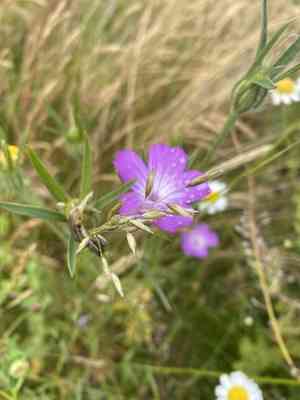
A wild plant recognized for its vibrant violet blossoms, Agrostemma githago flourishes across diverse environments. Trimming requirements are slight; removing spent flowers stimulates additional blooms. Following flowering, cut back to preserve form and, if preferred, deter self-propagation. In spring, prune to eliminate deceased leaves and foster fresh development. Strategic trimming also lessens self-seeding, managing undesirable dispersal. Advantages encompass extended flowering periods and a neat look, essential for upholding cultivation within garden limits.
What Are the Benefits of Pruning Common Corncockle?
What Are the Benefits of Pruning Common Corncockle?
Trimming common corncockle promotes robust development and maintains its desired form. Strategic cutting back manages size, stimulates new growth, and can enhance the plant's visual appeal in the garden.
What Is the Best Time for Pruning Common Corncockle?
What Is the Best Time for Pruning Common Corncockle?
Pruning or trimming common corncockle should ideally occur in late Spring after the last frost, when the plant is actively growing. This period is optimal as it allows for shaping and thinning without stressing the plant. In late Spring, the risk of frost damage to fresh cuts is minimal, and the plant has ample time to recover before Winter. Trimming then also reduces the chance of common corncockle developing diseases, which are more common in damp conditions of late Fall and Winter. By pruning in late Spring, the natural growth cycle of common corncockle is supported, encouraging healthy development and abundant blooms. Pruning should not extend into Summer or Fall, as this might stimulate new growth vulnerable to early frost and reduce the plant's vigor next season.
What Tools Do I Need to Prune Common Corncockle?
Hand Pruners
Perfect for trimming and shaping common corncockle, enabling precise cuts that support plant health and encourage flowering.
Pruning Shears
Suitable for deadheading common corncockle to encourage new growth and, if desired, prevent excessive self-seeding.
Gloves
To protect hands from common corncockle's fine hairs, which can irritate skin; also helps in gripping pruning tools securely.
Long-handled Loppers
For reaching higher stems or providing leverage to cut through thicker stems more easily if common corncockle grows particularly tall or dense.
Gardening Knife
Useful for cutting through dense clumps of common corncockle or removing parts of the plant from difficult angles where pruners cannot reach.
How to Prune Common Corncockle
Identify Withers
Locate withered leaves on common corncockle, ensuring they are completely dead and not merely temporarily wilted.
Sanitize Tools
Clean and sterilize pruning shears to prevent disease transmission when cutting common corncockle.
Cut Precisely
Use sharp shears to make clean cuts, removing withered leaves at their base without harming nearby healthy tissue on common corncockle.
Dispose Withers
Discard trimmed withered leaves to reduce the risk of disease and pests around common corncockle.
Monitor Plant
Continue to observe common corncockle for new withered leaves to maintain plant health and appearance.
Common Pruning Mistakes with Common Corncockle
Overpruning
Removing too much foliage from common corncockle can weaken the plant, reducing its ability to photosynthesize effectively and potentially leading to stunted growth or fewer flowers.
Improper Cut Location
Cutting too far from a node or leaving a large stub can cause unnecessary damage to common corncockle and may attract pests or diseases. Similarly, cuts made too close to a node can remove growing points and hinder new growth.
Using Dull Or Dirty Tools
Not using sharp, clean pruning shears can damage common corncockle stems, resulting in rough or jagged cuts that heal poorly and could be vulnerable to disease.
Incorrect Pruning Angle
Cuts made at the wrong angle may retain water, increasing the risk of rot or disease in common corncockle.
Removal Of Healthy Tissue
Unnecessarily cutting away healthy stems or foliage might limit the plant's bloom potential and overall vigor.
Pruning Without A Plan
Random or excessive pruning without understanding common corncockle's growth habit can result in a less aesthetic plant shape and reduced blooms.
Common Pruning Tips for Common Corncockle
Sanitation
Always use sterilized pruning tools before working on common corncockle to prevent the spread of diseases between plants.
Sharp Cuts
Make clean, sharp cuts at a 45-degree angle just above healthy nodes to encourage strong regrowth and maintain the natural shape of common corncockle.
Timing Of Cut
Perform selective pruning when necessary to shape common corncockle, but ensure the timing doesn't disrupt the plant's natural growth and flowering cycle.
Thin Out Dense Growth
Thin out overcrowded areas to promote better air circulation and light penetration, which is crucial for the health and flowering of common corncockle.
Target Dead Or Diseased Stems
Remove dead, diseased, or damaged stems as they appear to keep common corncockle healthy and redirect energy to produce vibrant blooms.
Encourage Strong Stems
Prune to encourage strong stems that can support the weight of common corncockle's flowers, which can be heavy and cause drooping if not properly supported.
Maintain Plant Profile
Strive to maintain the natural profile and growth habit of common corncockle during pruning for aesthetic reasons and to facilitate healthy development.



