How to Prune Hairy agrimony?
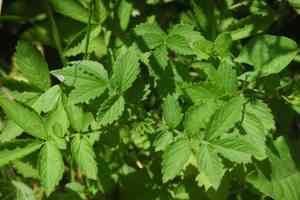
A persistent herbaceous plant featuring tall flower spikes, hairy agrimony is distinguished by its medicinal attributes and toothed leaf edges. Trimming is crucial for sustaining the plant's health and should involve removing faded blossoms to stimulate further flowering, along with excising any lifeless or ailing stalks. The most effective time for pruning is in the latter part of spring and the initial weeks of summer, coinciding with its developmental phase. Through the careful trimming of hairy agrimony, cultivators foster more compact development, potentially amplify its therapeutic benefits, and manage the plant's dimensions for a neat aesthetic.
Advantages of Trimming Hairy Agrimony
Advantages of Trimming Hairy Agrimony
Trimming hairy agrimony promotes a sturdy framework and dense foliage, encouraging robust development. It also maintains the desired form, enhancing the plant's overall visual appeal.
Optimal Period for Trimming Hairy Agrimony
Optimal Period for Trimming Hairy Agrimony
Trimming in late winter to early spring is beneficial for hairy agrimony as it is typically dormant then. This timing prevents stressing the plant during active growth and allows for proper wound healing before new growth begins. Early summer trimming aligns with post-flowering care, enabling the removal of spent blooms and potentially encouraging a second flowering in capable species. This period also avoids the autumn fruiting phase, crucial for seed dispersal and species propagation.
Required Tools for Trimming Hairy Agrimony
Hand pruners
Perfect for making clean cuts on hairy agrimony's stems. These should be sharp, and bypass pruners are recommended for a clean cut that aids healing.
Pruning saw
Essential for cutting through thicker, woodier stems of hairy agrimony that hand pruners cannot manage.
Gardening gloves
Protect the gardener's hands from hairy agrimony's potentially rough or irritating foliage.
Long-handled loppers
Provide the leverage needed to trim larger stems of hairy agrimony that are out of reach or require more force.
Pruning scissors
Useful for snipping off hairy agrimony's delicate or smaller parts without harming surrounding plant sections.
How to Trim Hairy Agrimony
Clean Tools
Before beginning the trimming process, sanitize your pruning shears with a solution of 1 part bleach to 9 parts water to prevent disease spread.
Remove Diseased Leaves
Carefully inspect hairy agrimony and use the sterilized shears to cut away any leaves showing signs of illness. Make cuts at the base of affected leaves to ensure complete removal of diseased tissue.
Cut Withered Leaves
Identify any withered or dead leaves on hairy agrimony, which will typically appear brown and dry. Trim these leaves at their base to encourage healthier growth and improve air circulation within the plant.
Eliminate Diseased Stems
Look for any stems on hairy agrimony that show evidence of disease, characterized by discoloration or unusual growths. Trim diseased stems down to healthy tissue or to the stem's base, making a clean cut to facilitate quick healing.
Disinfect Tools Post Trimming
After finishing the trimming session, clean and sterilize your pruning tools again to prevent cross-contamination with other plants in the future.
Common Trimming Errors with Hairy Agrimony
Excessive Trimming
Removing too much foliage, which could stress hairy agrimony and hinder its growth.
Cutting Too Close
Trimming too near the main stems may damage the plant's central structure.
Leaving Stubs
Leaving long stubs when cutting branches can result in unnecessary wounds and could attract pests and diseases.
Incorrect Tools
Using dull or dirty tools can create jagged cuts that are more prone to infection.
Neglecting Health Check
Failing to inspect for diseased or damaged areas before trimming might lead to the spread of problems.
Ignoring Shape
Not considering the natural form of hairy agrimony when trimming can result in a less aesthetically pleasing plant.
General Trimming Advice for Hairy Agrimony
Sharp Clean Tools
Use sharp, clean shears to make precise cuts, which help hairy agrimony recover quickly.
Trimming For Health
Remove dead, diseased, or crossing branches to improve the plant's overall health and appearance.
Consider Growth Pattern
Understand hairy agrimony's natural shape and growth pattern to make cuts that enhance its form.
Angled Cuts
Make angled cuts above outward-facing buds to direct new growth away from the plant's center.
Moderate Trimming
Trim moderately, ensuring not to remove more than one-third of the plant at a time to prevent shock.
Regular Maintenance
Perform regular light trimming to maintain shape and size rather than infrequent severe trimming.



