How to Prune Smooth-barked kauri?
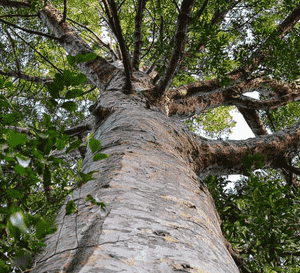
This towering evergreen, recognized by its sleek bark and thick foliage, needs very little trimming. For kauri with smooth bark, the ideal time for pruning is in winter when the tree is inactive, concentrating on eliminating deceased or ailing branches to preserve its well-being and avert potential dangers. Gentle thinning can enhance air movement. Refrain from extensive pruning, as smooth-barked kauri reacts unfavorably to significant reductions and thrives best when permitted to develop unhindered. Strategic pruning guarantees vigor, fostering a robust framework and extended lifespan.
Advantages of Trimming Smooth-barked Kauri
Advantages of Trimming Smooth-barked Kauri
Trimming smooth-barked kauri encourages robust development and helps maintain its desired form, thereby enhancing its health and visual appeal in a landscape.
Optimal Period for Trimming Smooth-barked Kauri
Optimal Period for Trimming Smooth-barked Kauri
Trimming smooth-barked kauri from late winter to early spring is considered ideal, as it coincides with the plant's dormant phase. During this season, the plant exhibits minimal active growth, which reduces stress and the likelihood of sap leakage. This timing promotes swift recovery and enables smooth-barked kauri to channel energy into healing and new growth in the subsequent growing season. Pruning after the coldest part of winter has passed lessens the chance of frost damage to fresh cuts. Since smooth-barked kauri is not known for significant flowering or fruiting cycles that demand specific pruning times, the focus remains solely on the plant's health and structural upkeep.
Essential Tools for Trimming Smooth-barked Kauri
Bypass Pruners
Perfect for smaller branches of smooth-barked kauri up to 1/2 inch (13 mm) in diameter. They create a clean cut, crucial for the plant's well-being. The bypass action mimics scissors, with two curved blades passing each other.
Loppers
Suitable for cutting branches up to 1 1/2 inches (38 mm) in diameter. Their extended handles offer leverage to cut through thicker branches of smooth-barked kauri with greater ease.
How to Trim Smooth-barked Kauri
Sanitize tools
Before trimming smooth-barked kauri, ensure all pruning tools are cleaned and sterilized to prevent disease transmission. Use a solution of bleach and water or rubbing alcohol to wipe down the blades.
Identify
Thoroughly inspect smooth-barked kauri to pinpoint dead or diseased branches. Dead branches are typically dry, brittle, and lack green, living tissue when lightly scraped. Diseased branches may display discoloration, unusual growths, or pest damage.
Remove diseased
Using sharp pruning shears or a saw, depending on branch thickness, make clean cuts to remove diseased branches. Cut at a slight angle, well below the affected area, to ensure all diseased tissue is removed but avoid cutting too close to the main stem to prevent harm.
Remove dead
For dead branches, prune them at the point where they meet healthy wood. Make the cut just outside the branch collarâthe swollen tissue area where the branch connects to the trunk or another branchâto facilitate proper healing and prevent decay.
Discard
Properly dispose of the removed diseased and dead branches to prevent pathogen spread. Do not compost these materials; instead, burn them if feasible or dispose of them with household waste according to local regulations.
Common Trimming Errors with Smooth-barked Kauri
Excessive pruning
Removing too much foliage from smooth-barked kauri can stress the tree, potentially leading to weak growth and making it susceptible to pests and diseases.
Flush cutting
Trimming branches flush against the trunk can harm smooth-barked kauri's collar, which may impede proper healing and leave the tree vulnerable to infections.
Trimming healthy growth
Unnecessarily cutting back healthy branches can hinder smooth-barked kauri's overall development and diminish its natural majestic form.
Neglecting weak branches
Failing to remove weak or damaged branches from smooth-barked kauri can result in breakage or the spread of pests and diseases.
Incorrect tool use
Using dull or dirty tools can create jagged cuts that make smooth-barked kauri susceptible to disease and can slow down the healing process.
Creating large wounds
Making large cuts can cause significant damage to smooth-barked kauri, as large wounds are harder for the plant to seal and may expose it to decay.
General Trimming Advice for Smooth-barked Kauri
Sharp clean tools
Use sharp, clean pruning shears or saws to make clean cuts that smooth-barked kauri can quickly heal over, reducing the risk of disease.
Branch collar
Make cuts just outside the branch collar without damaging it to promote proper healing and prevent decay in smooth-barked kauri.
Selective trimming
Selectively trim only dead, diseased, or crossed branches to maintain smooth-barked kauri's natural growth habit and structural integrity.
Gradual trimming
Gradually trim smooth-barked kauri over several seasons if substantial shaping is necessary, as this minimizes stress on the tree.
Correct angle
Cut branches at a slight angle to prevent water accumulation, which can cause rot and disease in smooth-barked kauri.
Post trimming care
Provide smooth-barked kauri with extra care after trimming, such as watering and mulching, to support recovery and encourage vigorous growth.



